How Often to Change Transmission Fluid (Flush vs Drain) and What It Costs
Most automatic transmissions should have their fluid changed every 30,000 to 60,000 miles, and sooner, often every 15,000 to 30,000 miles, if you tow, carry heavy loads or drive mostly in stop-and-go traffic. Some manufacturers call their fluid “lifetime” under normal driving, but many transmission specialists still recommend periodic changes. Manual transmissions are often serviced every 30,000 to 60,000 miles as well. A drain-and-fill typically costs about $80 to $250, while a machine flush costs about $150 to $400.
Transmission Fluid Change Intervals
| Transmission and use | Typical interval |
|---|---|
| Automatic, normal driving | 30,000–60,000 miles (some manuals say longer) |
| Automatic, severe driving or towing | 15,000–30,000 miles |
| CVT | 30,000–50,000 miles, per the manual |
| Dual-clutch (DCT) | Often 40,000–60,000 miles |
| Manual transmission | 30,000–60,000 miles, varies widely |
These ranges are general guidance. Your owner’s manual and its severe-service schedule are the final word, and some manufacturers list the fluid as lifetime only for normal conditions.
Change Intervals by Transmission Type
| Transmission Type | Typical Normal-Service Interval | Typical Severe-Service Interval |
|---|---|---|
| Conventional automatic (6–10 speed) | About 60,000–100,000 miles, or “lifetime” per some manuals | About 30,000–60,000 miles |
| CVT | About 50,000–100,000 miles, depending on the automaker | About 25,000–50,000 miles |
| Dual-clutch (DCT/DSG) | About 40,000–60,000 miles for many wet-clutch units | Often shorter |
| Manual transmission | About 30,000–60,000 miles | About 30,000 miles |
| Transfer case and differentials (4WD/AWD) | About 30,000–60,000 miles | Sooner with towing or off-road use |
These are typical ranges from automaker schedules and repair shops, not rules. Your owner’s manual or maintenance minder is the final word, and many schedules list inspection intervals rather than change intervals.
What Is “Lifetime” Transmission Fluid?
Some automakers describe their transmission fluid as filled for life. In practice, that usually assumes normal driving and a definition of vehicle life that may be shorter than how long you plan to keep the car. Heat is what ages transmission fluid, so if you tow, live somewhere hot, drive in heavy traffic or keep cars past 100,000 miles, a periodic change is cheap insurance. Many manuals list a fluid change under the severe schedule even when the normal schedule says lifetime.
What Transmission Fluid Does and Why It Wears Out
Automatic transmission fluid is a hydraulic fluid, lubricant and coolant in one. It applies the clutches that select each gear, lubricates gears and bearings, carries heat to the cooler, and contains friction modifiers that let clutches engage smoothly. Heat is what breaks it down. Every 20°F rise above normal operating temperature can shorten fluid life dramatically, which is why towing, hot climates and stop-and-go traffic call for more frequent changes.
What Counts as Severe Driving?
- Towing a trailer or carrying heavy loads
- Frequent stop-and-go city traffic
- Hilly or mountainous roads
- Very hot climates
- Ride-share, delivery or taxi use
- Frequent short trips
Many drivers fall into at least one of these categories. Our car maintenance schedule by mileage shows where transmission service sits alongside other routine jobs.
Drain-and-Fill vs Flush
| Drain-and-fill | Flush (fluid exchange) | |
|---|---|---|
| How it works | Old fluid drains from the pan or plug; filter often replaced; refilled | A machine exchanges old fluid for new through the cooler lines |
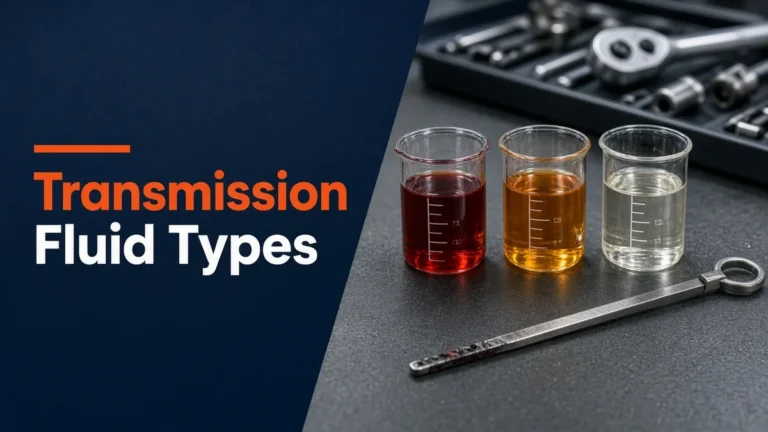
| Fluid replaced | About 40–60% | Nearly 100% |
| Typical cost | $80–$250 (more at dealers) | $150–$400 |
| Filter replaced? | Often, on transmissions with a serviceable filter | Not unless the pan is also removed |
| Best for | Regular maintenance; most CVTs | Transmissions whose maker approves it, on a regular schedule |
Because a drain-and-fill only replaces part of the fluid, some owners do two or three in a row to refresh most of it. A flush replaces more fluid at once, but some manufacturers do not recommend flushes, and on a high-mileage transmission that has never been serviced, some specialists prefer gentler drain-and-fill services. Ask what your manufacturer specifies.
Signs Your Transmission Fluid Needs Changing
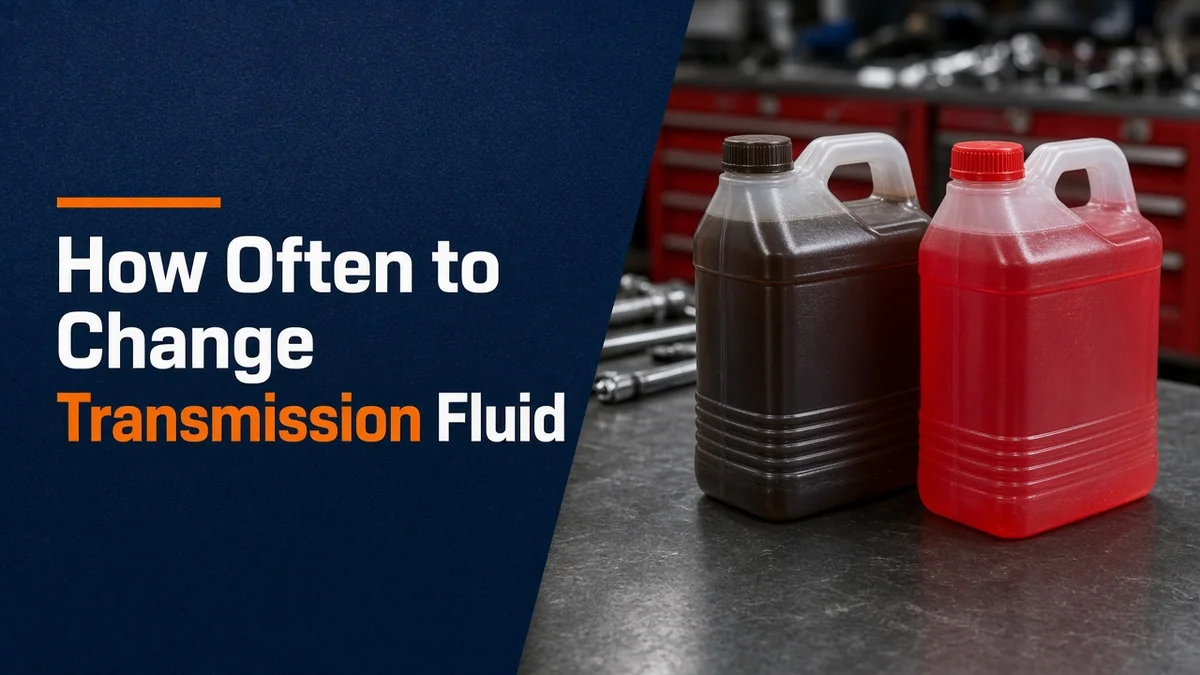
- Fluid that is dark brown or black instead of red or pink
- A burnt smell from the dipstick
- Harsher, delayed or slipping shifts
- A whine or shudder that was not there before
- The service interval in your manual has passed
If your car has a dipstick, checking the fluid only takes a few minutes; our guide to checking car fluids covers the basics, and dark fluid with leaks underneath may point to a seal or gasket problem covered in our fluid leaks guide.
Can Changing Old Transmission Fluid Cause Problems?
You may hear that changing the fluid on a high-mileage transmission caused it to fail. In most of those cases, the transmission was already worn, and the new fluid did not fix the problem rather than causing it. That said, if a transmission has gone 100,000 miles or more without service and is shifting well, some specialists recommend a drain-and-fill rather than a flush, and avoiding aggressive cleaning additives.
Use the exact fluid your transmission requires: the wrong specification can cause harsh shifts, shudder and damage, especially in CVTs. The correct type is listed in the owner’s manual and often on the dipstick. Never mix CVT fluid with regular automatic transmission fluid.
How Much Does a Transmission Fluid Change Cost?
| Service | Typical cost |
|---|---|
| Drain-and-fill, independent shop | $80–$250 |
| Drain-and-fill, dealer | $150–$350 |
| Drain, filter and pan gasket | $150–$400 |
| Machine flush or exchange | $150–$400 |
| CVT fluid service | $120–$300 |
| Manual transmission fluid change | $60–$150 |
Cost depends on how many quarts your transmission takes, the fluid type, and whether a filter and pan gasket are included. European and some CVT fluids are more expensive per quart.
DIY Drain-and-Fill: What to Know
- Only attempt it if your transmission has an accessible drain plug and a documented fill and check procedure.
- Many modern transmissions have no dipstick and must be filled through a side plug with the fluid at a specific temperature, often read with a scan tool.
- Measure the fluid that drains out and refill with the same amount of the exact specified fluid.
- Replace the drain plug washer and torque the plug to specification.
- If the fluid is very dark or smells burnt on a high-mileage transmission, consult a transmission shop first.
For most owners of newer vehicles, a shop drain-and-fill costing about $100 to $250 is the safer choice.
Manual Transmission Fluid
Manual gearboxes use gear oil, a dedicated manual transmission fluid or, in some cases, automatic transmission fluid. Intervals vary widely; some manuals list 30,000 to 60,000 miles and others treat it as long-life. Changing it is usually simple and inexpensive, and fresh fluid can make shifting smoother, especially in cold weather. See our guide to driving a manual car for clutch habits that protect the gearbox.
Related guides: do automatic cars have a clutch, car noises explained and car total cost of ownership calculator.
Transmission Fluid Change FAQ
Commonly every 30,000 to 60,000 miles for automatics under normal driving, and every 15,000 to 30,000 miles with towing or severe use. Follow your owner’s manual.
A flush replaces more fluid, but not every manufacturer recommends it. A drain-and-fill is gentler and is the usual method for most CVTs.
Some manufacturers call it lifetime under normal conditions, but heat and heavy use age the fluid, so periodic changes are commonly recommended.
Many CVTs call for a fluid change about every 30,000 to 50,000 miles, but intervals vary, so check your manual.
Towing counts as severe service. Many manuals recommend changing automatic transmission fluid about every 30,000 to 60,000 miles for vehicles that tow regularly, and an auxiliary cooler helps.
Not early on. Follow the maintenance schedule in the manual. Many new cars list the first transmission fluid service at 60,000 miles or later, or only under severe conditions.