
Studded Tires and Tire Chains: Where They’re Legal and When to Use Them
How studded tires work, where and when they are legal, how they compare with studless winter tires, and how and when to use tire chains safely.
Practical driving skills, winter driving and safety know-how for everyday car owners.
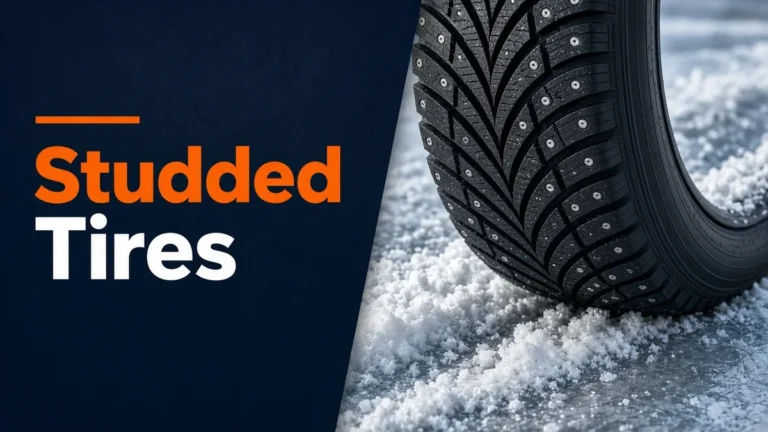
How studded tires work, where and when they are legal, how they compare with studless winter tires, and how and when to use tire chains safely.
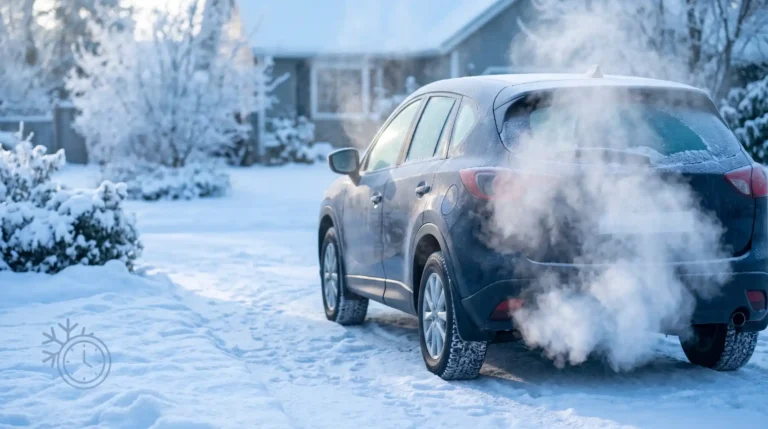
Most modern cars need only about 30 seconds before driving gently. Learn why long idling hurts, when a longer warm-up makes sense, safety tips and EV preconditioning.
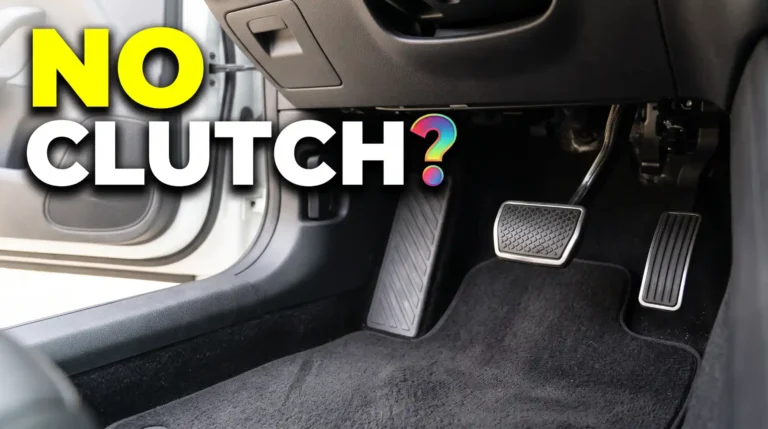
Automatic cars have no clutch pedal, but most have clutches inside. See how torque converters, dual-clutch, CVT and EV transmissions work, and signs of trouble.
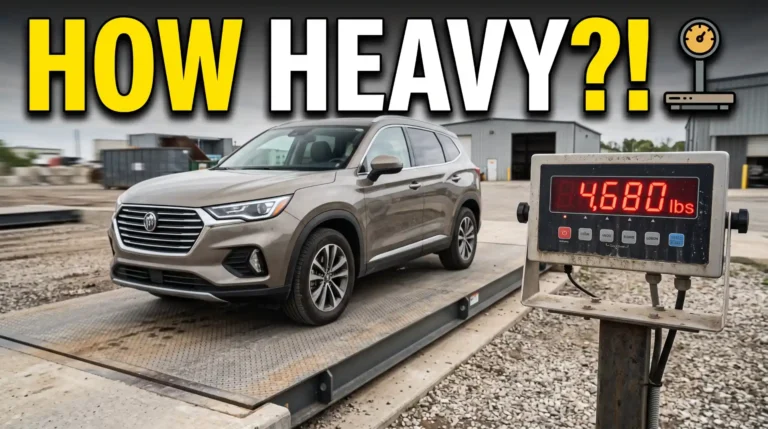
The average new US vehicle weighs about 4,350 pounds. See typical weights for cars, SUVs, pickups and EVs, curb weight vs GVWR, and why vehicle weight matters.
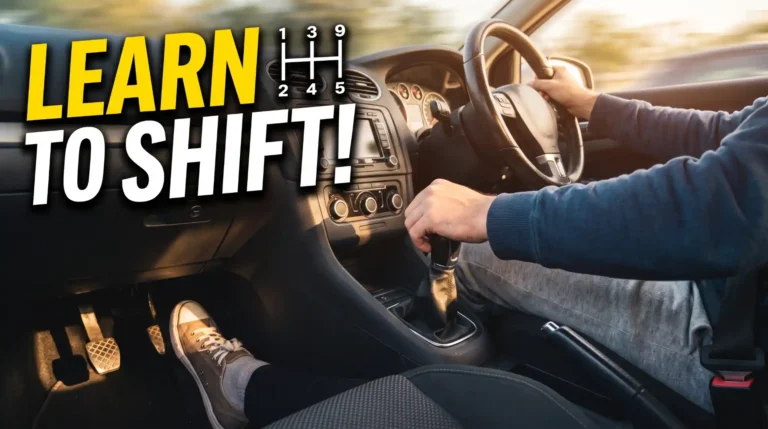
Learn to drive a manual car: find the clutch friction point, move off in first, shift up and down, stop without stalling, reverse and do hill starts. Step-by-step beginner guide.

Defog car windows fast: defrost with heat, AC on and recirculation off in winter; wipers and a warmer AC setting in summer. Plus why windows keep fogging and how to prevent it.
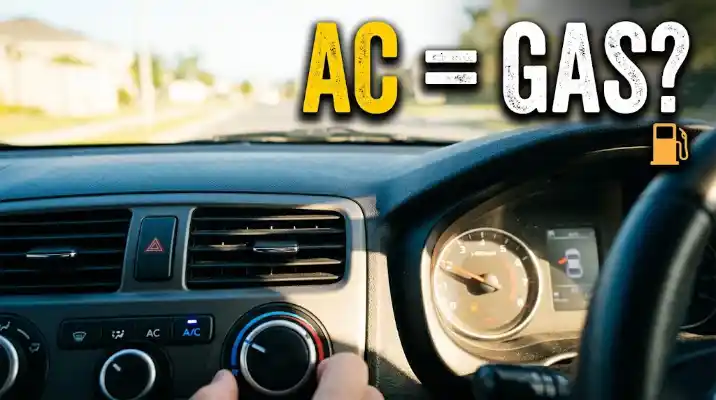
Yes, car AC uses gas. In very hot weather it can cut fuel economy by over 25% on short trips. See AC vs windows down, hybrids and EVs, and tips to use less fuel.
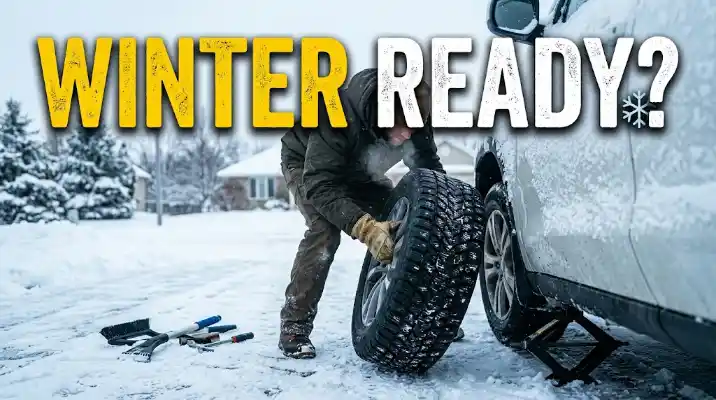
Put four winter tires on any car, even front-wheel drive. See whether AWD helps in snow, a winter car prep checklist, what to keep in your emergency kit, and safe driving tips.

A car breathalyzer (ignition interlock) costs $70–$150 to install and $60–$150 a month. Learn how it works, rolling retests, what causes a fail, and who needs one.