Check Engine Light: What It Means and What to Do
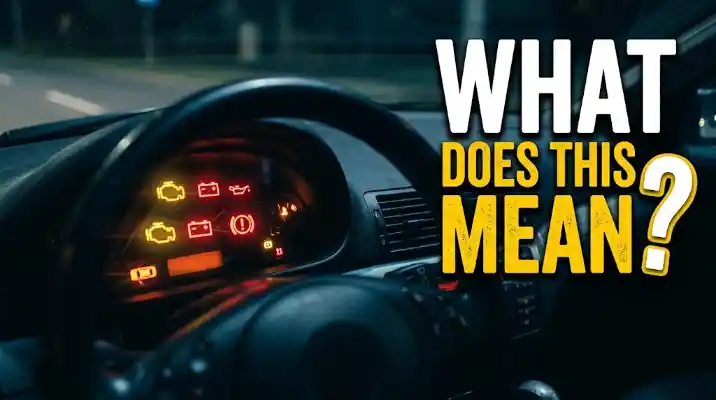
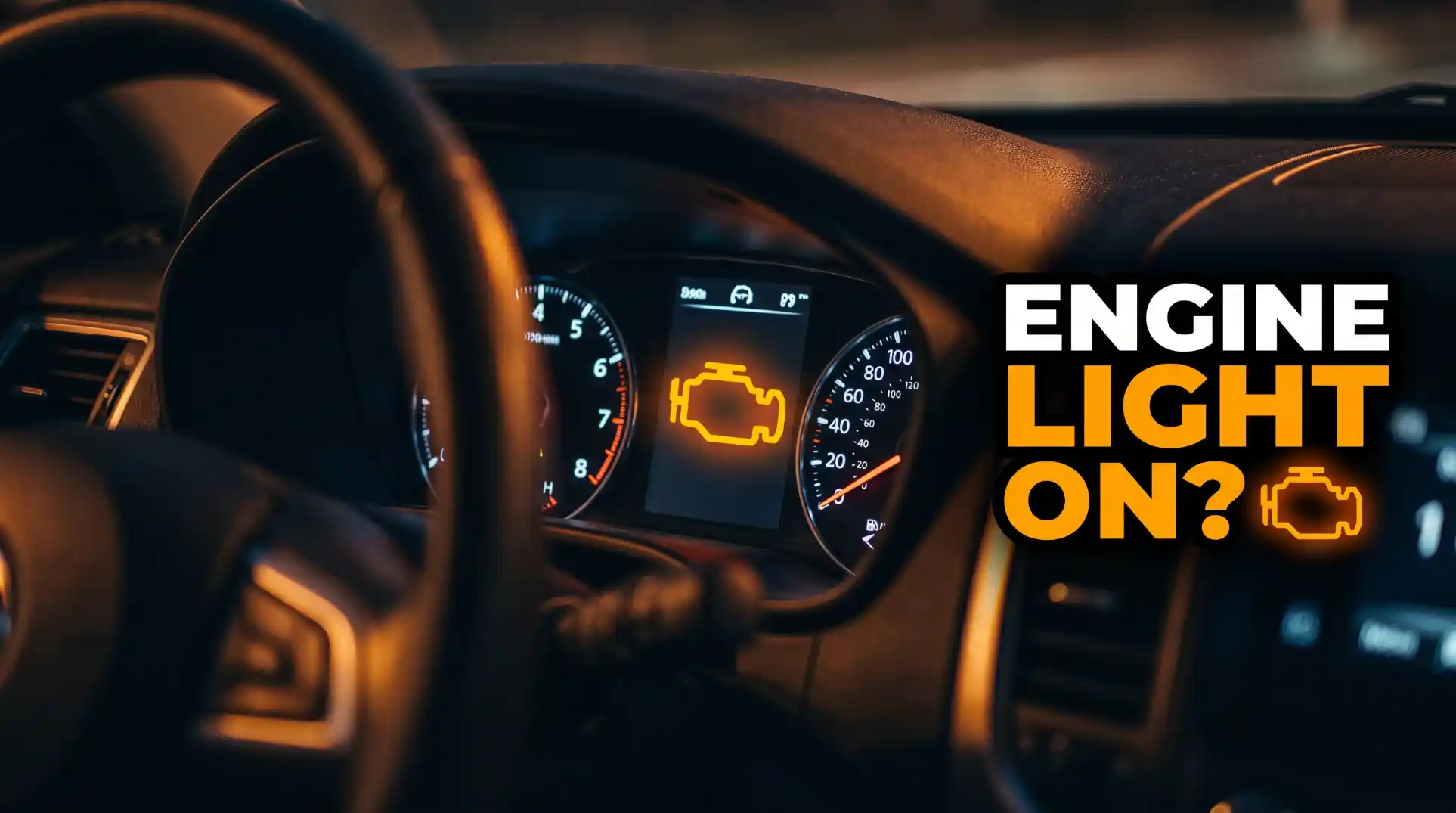
The check engine light means your car’s engine computer has detected a problem with the engine, emissions or related systems and stored a trouble code. A solid light usually means a non-emergency issue, such as a loose gas cap, a failing oxygen sensor or an evaporative emissions leak, and you can generally drive to a shop soon. A flashing light means an active engine misfire that can overheat and damage the catalytic converter, so reduce speed and get the car checked right away. Many auto parts stores will read the code for free.
Key Takeaways
- Solid light: get it checked soon; usually safe to drive carefully if the car runs normally.
- Flashing light: misfire; ease off and get service immediately to protect the catalytic converter.
- First check: tighten the gas cap until it clicks.
- Read the code: use an OBD-II scanner (all US cars since 1996 have the port) or a free parts-store scan.
- A code is a clue, not a diagnosis: the same code can have several causes.
Solid vs Flashing Check Engine Light
| Solid (steady) light | Flashing (blinking) light | |
|---|---|---|
| Meaning | A fault has been detected and stored | Active misfire, often severe |
| Urgency | Get it checked soon | Stop hard driving; get service now |
| Can I drive? | Usually yes, carefully, if the car runs normally | Only gently and a short distance to a safe place or shop |
| Risk if ignored | Worse fuel economy, failed emissions test, bigger repairs later | Catalytic converter damage, engine damage |
Common Causes of a Check Engine Light
| Cause | Example codes | What it usually needs |
|---|---|---|
| Loose, damaged or missing gas cap | P0455, P0457 (EVAP leak) | Tighten or replace the cap |
| Oxygen (O2) sensor | P0130–P0167 range | Replace the sensor |
| Catalytic converter efficiency | P0420, P0430 | Diagnose cause; converter replacement is costly |
| Misfire: spark plugs or ignition coils | P0300–P0308 | Replace plugs or coils; check injectors |
| Mass airflow (MAF) sensor | P0100–P0104 | Clean or replace the sensor |
| Lean or rich fuel mixture, vacuum leak | P0171, P0174 | Find leaks; check sensors and fuel system |
| EVAP system leak (purge valve, hoses) | P0440–P0456 | Smoke test to locate the leak |
| Thermostat stuck open | P0128 | Replace thermostat |
Code definitions come from the standard OBD-II code list, but manufacturers add their own. Always confirm the cause before buying parts.
What to Do When the Check Engine Light Comes On
- Notice how the car feels: rough running, shaking, loss of power, smoke, or other warning lights (oil pressure, temperature) mean stop and get help.
- Check if it is flashing: if so, slow down, avoid hard acceleration and get to a shop.
- Tighten the gas cap: it may take several drive cycles for the light to go off after fixing it.
- Read the code: use your own OBD-II scanner or visit a parts store; many offer free code reading.
- Research the code and symptoms: then have a trusted mechanic diagnose it.
- Fix it before an emissions test: an illuminated check engine light often means a failed inspection in states with emissions testing.
Safety note: If the check engine light flashes together with shaking, smoke, a burning smell, overheating or the oil pressure light, pull over safely and turn off the engine. Continuing to drive can destroy the catalytic converter or the engine.
How to Read Check Engine Codes Yourself
- Find the OBD-II port under the dashboard on the driver’s side.
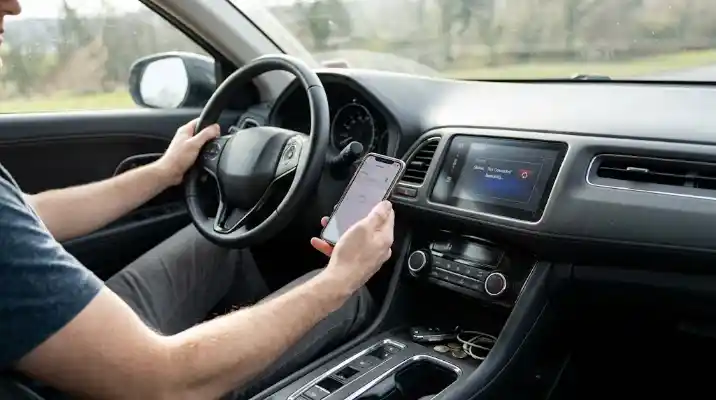
- Plug in a scanner (wired or Bluetooth with a phone app).
- Turn the ignition on (engine can be off) and read the codes.
- Write down the code and any “freeze frame” data.
- Do not simply clear the code: it will return if the fault is still there, and clearing it erases useful diagnostic data and resets emissions readiness monitors.
Will the Check Engine Light Reset Itself?
Yes, for some faults. If the problem goes away (for example, a tightened gas cap), the light often turns off by itself after several normal drives. Disconnecting the battery also clears codes on many cars, but it resets readiness monitors, which can cause an emissions inspection to fail until you drive enough for them to set again.
How Much Does It Cost to Diagnose?
Code reading at many parts stores is free. A full diagnosis at a repair shop usually carries a diagnostic fee that varies by shop and region, and many shops apply it to the repair if you have the work done there. Repair costs depend entirely on the cause, from nothing for a gas cap to much more for a catalytic converter. Also check the NHTSA recall lookup, since some check engine faults are covered by free recall repairs.
Check Engine Light FAQ
It means the car’s computer has detected a problem with the engine, emissions or related systems and stored a diagnostic trouble code.
If the light is solid and the car runs normally, you can usually drive carefully to a shop soon. If it is flashing, reduce speed and get service right away.
A flashing light usually means an active engine misfire, which can overheat and damage the catalytic converter.
Yes. A loose or damaged gas cap can trigger an evaporative emissions code. Tighten it and the light may go off after several drives.
Many auto parts stores offer free code reading. You can also buy an inexpensive OBD-II scanner.
In states with emissions testing, an illuminated check engine light commonly causes a failed inspection.
Fix the cause first. The light may turn off on its own, or a scanner can clear it, but clearing without a repair only hides the problem temporarily.