Trailer Tires Explained: ST vs Passenger Tires, Load and Speed
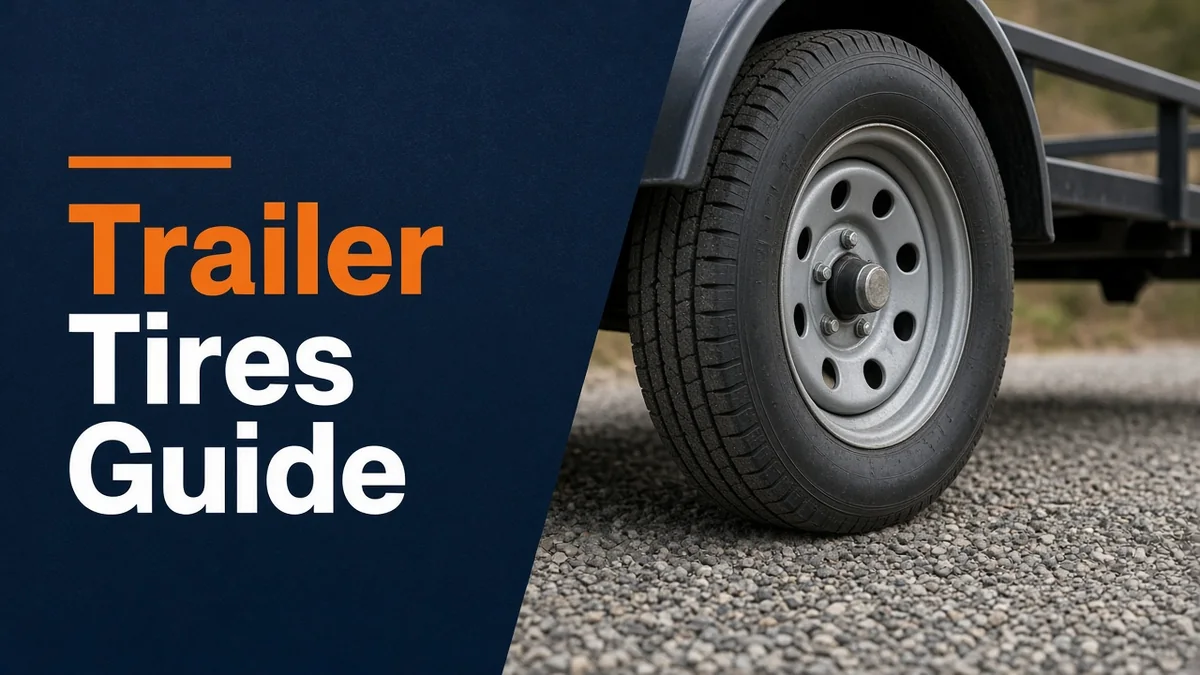
Trailer tires, marked “ST” (Special Trailer), are built to carry heavy loads and resist side-to-side sway, not to steer, accelerate or give a comfortable ride. They have stiffer sidewalls and higher load ratings than passenger (P) tires of the same size. Traditionally, ST tires are limited to 65 mph unless the sidewall shows a higher speed rating, and most should be replaced every 3 to 6 years because they usually age out before the tread wears out. Use ST tires on boat, utility, cargo and travel trailers, and keep them inflated to the maximum pressure on the sidewall.
ST Vs. P Vs. LT Tires: Key Differences
| Feature | ST (Special Trailer) | LT (Light Truck) | P (Passenger) |
|---|---|---|---|
| Designed for | Trailer axles only | Trucks, vans and some trailers | Cars, SUVs, crossovers |
| Sidewalls | Stiffest, to limit sway | Stiff, built for heavy loads | Flexible, for comfort and grip |
| Load capacity | Highest for a given size | High | Lowest |
| Speed rating | 65 mph if unrated; many now 75–81 mph | Usually higher | Usually highest |
| Traction and steering | Not designed for steering or drive traction | Good | Good |
| Typical use | Boat, utility, cargo, travel trailers | Pickups, fifth-wheels, heavy trailers | Passenger vehicles |
Why Trailers Need Special Trailer Tires
Trailer tires face different forces from car tires. They do not steer or drive the vehicle, but they must support a heavy, often high-center-of-gravity load, resist sway, and handle sharp scrubbing in tight turns on multi-axle trailers. ST tires use heavier-gauge cords and polyester or steel reinforcement to handle that. A passenger tire’s flexible sidewall, which is great for a smooth car ride, lets a trailer sway and can overheat under load.
How to Read a Trailer Tire Size
A typical ST tire size looks like this: ST225/75R15 117/112L Load Range E.
- ST: Special Trailer service
- 225: section width in millimeters
- 75: aspect ratio (sidewall height is 75% of the width)
- R: radial construction (a “B” or “D” means bias-ply)
- 15: wheel diameter in inches
- 117/112: load index for single and dual mounting
- L: speed rating (L = 75 mph)
- Load Range E: the tire’s strength and maximum inflation level
Some trailer tires use older formats such as 4.80-12 or 5.30-12, common on small utility trailers. When changing sizes, check overall diameter with our tire size calculator and make sure the tire fits the fenders and wheel.
Trailer Tire Load Ranges
| Load Range | Former Ply Rating | Typical Max PSI |
|---|---|---|
| B | 4-ply | 35 psi |
| C | 6-ply | 50 psi |
| D | 8-ply | 65 psi |
| E | 10-ply | 80 psi |
| F | 12-ply | 95 psi |
| G | 14-ply | 110 psi |
Maximum PSI varies by tire and size; always use the figure molded on the sidewall. To choose a load range, add up the trailer’s gross vehicle weight rating (GVWR), subtract the tongue weight carried by the tow vehicle, and make sure the combined capacity of all trailer tires exceeds the remaining weight, ideally with a 10% to 20% safety margin.
Trailer Tire Speed Ratings
Historically, ST tires were designed for a maximum of 65 mph, and a tire with no speed symbol should still be treated that way. Many modern ST radials carry a speed symbol:
| Speed Symbol | Maximum Speed |
|---|---|
| None (unrated ST) | 65 mph |
| J | 62 mph |
| L | 75 mph |
| M | 81 mph |
| N | 87 mph |
Even with a higher rating, speed builds heat, and heat is the main enemy of trailer tires. Staying at or below the posted limit and the tire rating reduces blowout risk. Some manufacturers also require a higher pressure or reduced load when running an ST tire above 65 mph, so check the maker’s guidance.
Radial Vs. Bias-Ply Trailer Tires
- Radial: run cooler, give longer tread life, better fuel economy and a smoother tow at highway speeds. Best for most travel trailers and highway use.
- Bias-ply: stiffer sidewalls, lower price, good for short trips, heavy low-speed loads and trailers that sit a lot. Common on small utility and farm trailers.
Do not mix radial and bias-ply tires on the same trailer axle.
Trailer Tire Pressure
Underinflation is the most common cause of trailer tire failure. It increases flexing and heat, which can lead to tread separation or blowouts.
- Inflate to the maximum cold PSI on the sidewall, unless the trailer’s placard specifies otherwise
- Check pressure cold, before every trip, with a quality gauge
- Consider a trailer tire pressure monitoring system (TPMS) for long trips
- Check the spare too; it is often forgotten
How Long Do Trailer Tires Last?
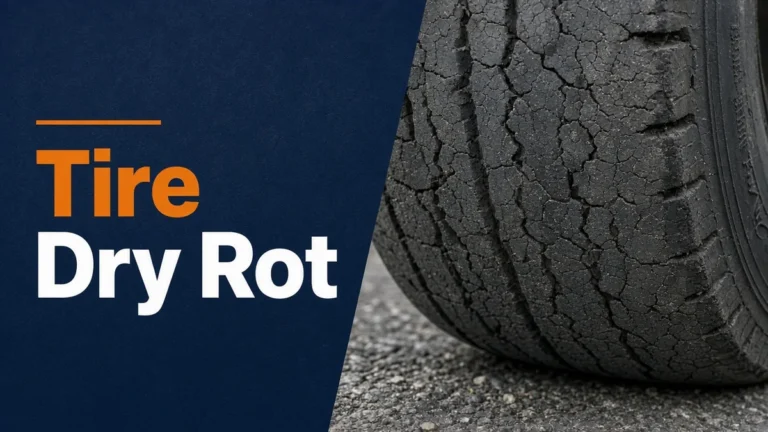
Trailer tires usually age out rather than wear out. Sunlight, ozone and long periods sitting still dry out the rubber and weaken the internal structure. Many tire makers and RV experts suggest replacing trailer tires about every 3 to 6 years, and some manufacturers allow up to 10 years from the manufacture date with annual inspections. Check the four-digit DOT date code on the sidewall; “1824” means the 18th week of 2024.
Our guide on how long tires last explains how to read DOT codes and spot aging. Watch for sidewall cracks, bulges, uneven wear and flat spots.
Can You Use Passenger or LT Tires on a Trailer?
- Passenger tires: not recommended. They lack the load capacity and sidewall stiffness. If used as an emergency spare, drive slowly (well under 50 mph) to the nearest tire shop.
- LT tires: can be used on some trailers if their load capacity meets or exceeds the need. Many heavy fifth-wheel and toy-hauler owners use LT tires. Note that LT tires have lower load ratings than ST tires of the same size when used on trailers, so check the numbers.
- ST tires on a car or truck: never. They are not designed for steering or drive axles.
How to Make Trailer Tires Last Longer
- Keep them at the correct cold pressure
- Do not exceed their load or speed ratings
- Cover tires when the trailer is parked in the sun
- Park on wood, plastic pads or concrete rather than bare dirt or asphalt
- Move the trailer every few weeks during storage, or put it on jack stands to take weight off the tires
- Keep wheel bearings greased and check alignment on tandem axles
- Inspect tires before every trip for cracks, bulges, cuts and embedded objects
For long-term parking tips, see our vehicle storage guide. To estimate trailer and cargo weight, our guide on how much a car weighs is a helpful reference if you tow a car on a flatbed.
How Much Do Trailer Tires Cost?
Small utility trailer tires often cost about $40 to $100 each. Radial ST tires for travel trailers and boat trailers commonly run about $80 to $250 each, and heavy load range G tires can cost more. Mounting and balancing typically adds $15 to $40 per tire. Prices vary by size, brand and load range.
Safety note: A trailer tire blowout can cause dangerous sway. If one happens, do not slam on the brakes. Keep a firm grip, ease off the accelerator, steer straight and let the rig slow down gradually before pulling over. Always carry an inflated spare, a jack rated for the trailer and a lug wrench that fits.
Related guides: How long do tires last? · Tire size calculator · Vehicle storage guide
Trailer Tire FAQs
Most trailer tires should be replaced every 3 to 6 years, even if the tread looks good, because age, sun and sitting weaken the rubber. Follow the tire maker’s guidance.
Most trailer tires should be inflated to the maximum cold pressure shown on the sidewall, unless the trailer manufacturer specifies a different pressure.
Often yes, if their load capacity meets your trailer’s needs. LT tires carry less weight than ST tires of the same size in trailer service, so check the load ratings carefully.
The most common causes are underinflation, overloading, excess speed, heat and age. Checking pressure before every trip and replacing old tires prevents most blowouts.
Balancing is not always required on small, slow utility trailers, but it is recommended for travel trailers and boat trailers used at highway speeds to reduce vibration and uneven wear.