Normal Transmission Temperature (and When You Need a Cooler)
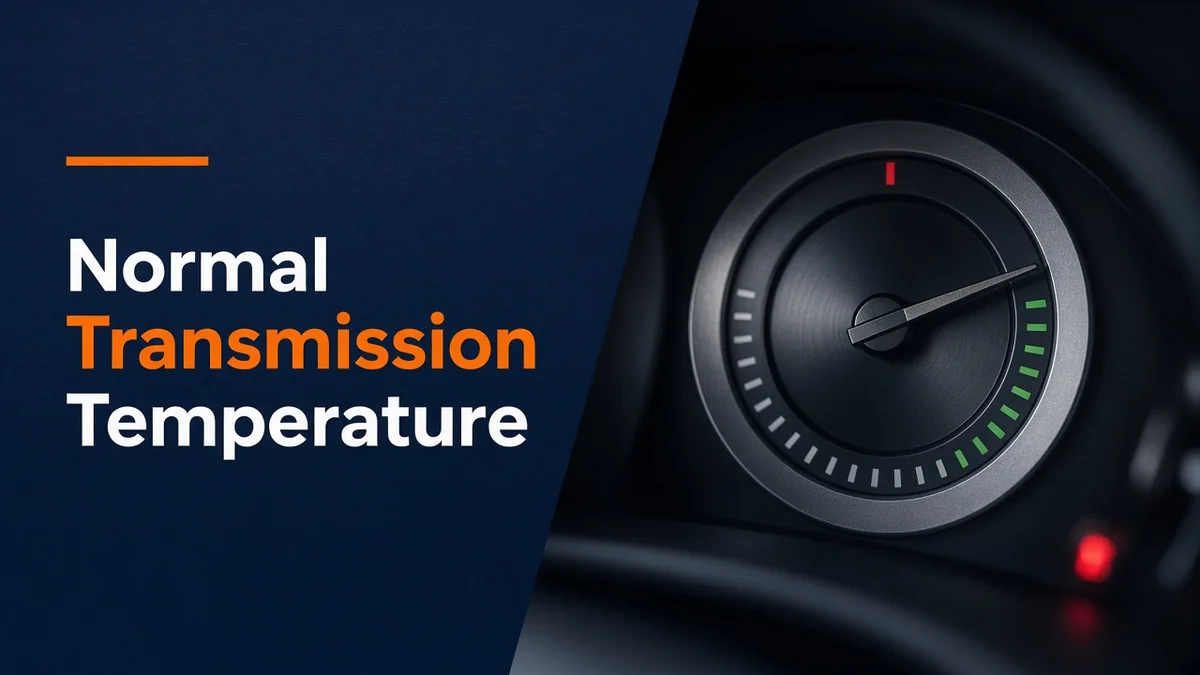
A normal operating temperature for most automatic transmissions is roughly 175°F to 200°F. Readings up to about 220°F are common for short periods when towing, climbing long grades or sitting in hot traffic. Sustained temperatures above about 240°F speed up fluid breakdown sharply, and above roughly 260°F to 280°F seals and clutches start to suffer. If your transmission regularly runs hot, the usual fixes are fresh fluid, fixing leaks or slipping, and adding an auxiliary transmission cooler, especially if you tow.
Transmission Temperature Chart
| Fluid temperature | What it means |
|---|---|
| Below 150°F | Still warming up; shifts may feel firmer |
| 175°F–200°F | Normal operating range for most automatics |
| 200°F–220°F | Working hard: towing, hills or heat; fine for short periods |
| 220°F–240°F | Elevated; ease off and let it cool |
| 240°F–260°F | Fluid breaks down quickly; varnish and deposits begin |
| 260°F–300°F | Seals harden, clutches slip; risk of serious damage |
| Above 300°F | Severe; damage likely |
These ranges are general guidance. Some modern transmissions are designed to run warmer, and manufacturers set their own limits, so check your owner’s manual or dealer if your vehicle shows a transmission temperature reading.
Normal Temperatures When Towing and in Heavy-Duty Trucks
Heavy-duty transmissions and vehicles that tow are designed to run warmer, but the same principles apply. For example, owners of Allison-equipped heavy-duty pickups commonly see temperatures around 185–200°F in normal driving and about 205–215°F while towing, with around 240°F treated as an upper limit.
| Situation | Typical Range | What to Do |
|---|---|---|
| Normal commuting, light load | About 175–200°F | Nothing; this is normal |
| Towing or hauling on flat roads | About 200–220°F | Use tow/haul mode; monitor the gauge |
| Long uphill grade while towing | About 220–240°F | Slow down, downshift, reduce load if possible |
| Above about 240°F | Too hot | Pull over and let it cool; check fluid and cooler |
Ranges vary by transmission design. Check your owner’s manual or the transmission maker for your specific limits.
Why Heat Is the Enemy of Transmissions
Transmission fluid lubricates, cools and transmits hydraulic pressure. Heat oxidizes it, burning off its additives and leaving varnish that clogs passages and valves. Transmission specialists often cite a rule of thumb that fluid life is roughly cut in half for every 20°F increase above about 175°F. Whether or not that figure is exact for your fluid, heat is widely considered the leading cause of automatic transmission failure.
What Makes a Transmission Run Hot
- Towing or heavy loads: the biggest single cause of high temperatures
- Long uphill climbs: sustained load with less airflow
- Stop-and-go traffic in hot weather: low airflow through the cooler
- Low fluid: often from a leak, leaving less fluid to carry heat away
- Old or burnt fluid: cools and lubricates less effectively
- Slipping clutches or a faulty torque converter: generate extra friction heat
- A clogged or damaged cooler: blocked fins or restricted lines
- Rocking the car out of snow or mud: quickly builds heat
Signs Your Transmission Is Overheating
- A transmission temperature warning light or message
- A burning smell after driving
- Delayed, harsh or slipping shifts, especially when hot
- Dark, burnt-smelling fluid on the dipstick
- The car entering limp mode and staying in one gear
Warning lights vary by model; our guide to dashboard symbols and meanings shows common transmission and temperature symbols. Similar symptoms can also point to wider transmission trouble.
If a transmission temperature warning comes on: reduce speed and load, avoid hard acceleration, and if possible pull over safely and let the engine idle in Park for a few minutes so the cooler can work. If the warning stays on, the car shifts erratically or you smell burning fluid, turn the engine off and have the vehicle checked before driving on.
What to Do If Your Transmission Overheats
- Ease off: reduce speed, avoid hard acceleration and turn off unnecessary loads.
- Pull over safely when you can.
- Shift to Park and let the engine idle for a few minutes if the engine temperature is normal. Idling lets the cooler circulate fluid without load. If the engine is also overheating, shut it off.
- Wait for the temperature to drop, often 15 to 30 minutes.
- Check the fluid level if your car has a dipstick, following the manual’s procedure.
- Look for leaks or a burnt smell.
- Get it inspected if overheating happens without a clear cause such as heavy towing in extreme heat.
How to Check Transmission Temperature
- Built-in gauge: many trucks and towing-focused SUVs show transmission temperature on the instrument cluster.
- OBD-II scanner or app: an inexpensive Bluetooth reader can display transmission fluid temperature on many vehicles.
- Aftermarket gauge: a sensor installed in the cooler line or pan feeds a dedicated gauge, popular with people who tow.
Transmission Coolers
Most automatic vehicles have a transmission cooler built into the radiator, where fluid passes through a small heat exchanger. Vehicles sold with a towing package often add a separate, larger cooler. An auxiliary cooler mounted in front of the radiator adds cooling capacity and is one of the most effective upgrades for anyone who tows regularly.
| Cooler type | Pros | Cons |
|---|---|---|
| Tube-and-fin | Inexpensive, simple | Least efficient |
| Plate-and-fin | Better cooling per size | More expensive |
| Stacked-plate | Most efficient and durable | Highest cost |
An auxiliary cooler typically costs about $50 to $200 for the part and $100 to $300 to install. It should be sized for your vehicle and towing weight. In very cold climates, some drivers use a thermostatic bypass so the fluid still reaches operating temperature.
How to Keep Your Transmission Cool
- Keep the fluid at the correct level and change it on schedule, sooner if you tow
- Fix leaks promptly; our guide to car fluid leaks helps identify transmission fluid
- Stay within your vehicle’s towing rating and use tow/haul mode if available
- Use a lower gear on long climbs and descents
- Keep the radiator and cooler fins clear of bugs and debris
- Avoid prolonged rocking to get unstuck from snow or mud
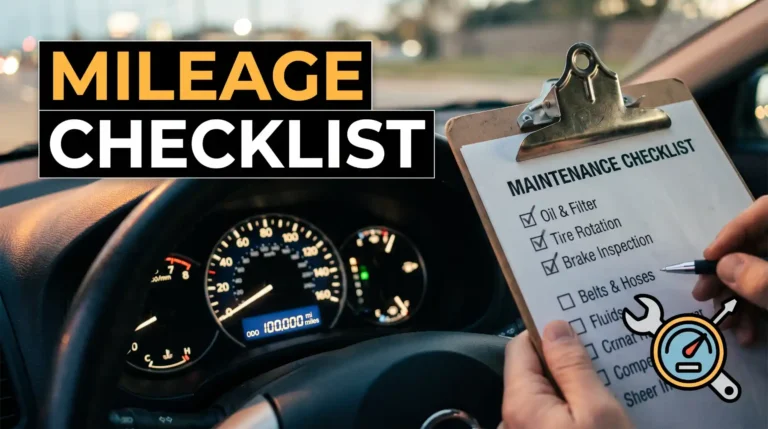
Fluid service intervals are covered in our car maintenance schedule by mileage, and how automatic transmissions use internal clutches explains why heat wears them out.
Engine Temperature vs Transmission Temperature
Your engine temperature gauge measures coolant, not transmission fluid, so a normal engine reading does not guarantee the transmission is cool. Because the transmission cooler often sits in the radiator, an overheating engine usually means the transmission is running hot too. Our guide on what to do when your car overheats covers engine overheating.
Related guides: how to check car fluids, car noises explained and why your car is shaking.
Transmission Temperature FAQ
About 175°F to 200°F for most automatic transmissions in normal driving.
If you tow regularly, drive in very hot climates or carry heavy loads, an auxiliary cooler is one of the best ways to protect your transmission.
Yes. Repeated overheating breaks down the fluid, hardens seals and wears clutches, which can lead to costly repairs.
Not usually. Around 175 to 220°F is a normal range for many automatic transmissions, especially under load. Sustained temperatures above about 240°F are a concern.
Yes. Towing and hauling increase load and heat. Use tow/haul mode, keep speeds moderate on grades and consider an auxiliary transmission cooler if you tow often.