Touchless vs Soft-Touch Car Wash: Which Is Safer for Your Paint?
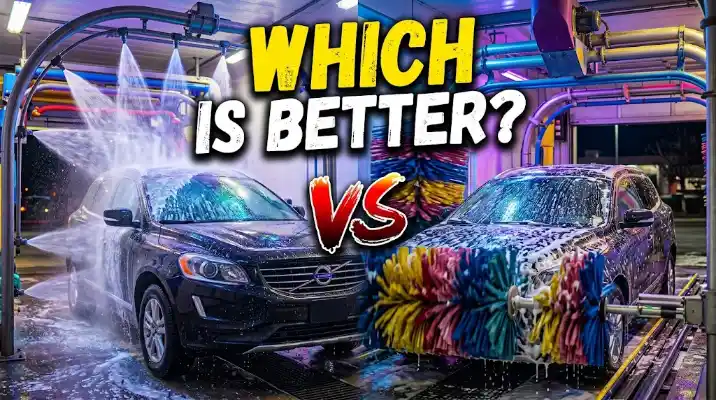
In the touchless vs soft-touch car wash debate, the right pick depends on how dirty the car is and how much you care about the paint. A touchless car wash is safer for your paint because nothing but water and detergent touches the car, so there is almost no risk of swirl marks. A soft-touch car wash cleans better because foam or cloth strips physically scrub off road film, but a poorly maintained one can leave fine scratches, especially on dark paint. For most drivers the best approach is touchless for routine and winter washes, a well-kept soft-touch wash when the car is very dirty, and a careful hand wash when you can.
Touchless vs Soft-Touch at a Glance
| Touchless (touch-free) | Soft-touch (soft-cloth or friction) | |
|---|---|---|
| How it cleans | High-pressure water and stronger detergents | Foam or cloth strips scrub the surface with soap and water |
| Paint safety | Very high; nothing touches the paint | Good at well-maintained washes; swirl risk from dirty or worn material |
| Cleaning power | Weaker on road film, bugs and brake dust | Stronger; removes grime and film better |
| Effect on wax and coatings | Stronger chemicals can wear down wax and sealants faster | Contact can slowly wear protective layers |
| Typical price | $10–$20 | $10–$25 |
| Best for | Dark or new paint, coated cars between hand washes, winter salt rinses | Very dirty cars, light-colored cars, when you need a deep clean |
How a Touchless Car Wash Works
Touchless washes apply a pre-soak chemical to loosen dirt, then blast it away with high-pressure water, followed by soap, rinse and often a spray wax and air dryer. Because there is no friction, the chemicals are typically stronger, often alkaline or a two-step alkaline and acidic process, to break down grime. The result is a very paint-safe wash that may leave a thin film of road grime on a heavily soiled car.
How a Soft-Touch Car Wash Works
Soft-touch washes, also called soft-cloth or friction washes, use rotating strips of closed-cell foam or soft cloth along with soap and water to physically scrub the car. Modern foam materials do not absorb water and grit the way old bristle brushes did, and well-run washes rinse and maintain them frequently. The risk comes from worn material or grit left from a previous muddy vehicle, which can cause fine swirl marks, most visible on black and dark paint in sunlight.
What About “Brushless” Washes?
“Brushless” usually describes touchless washes or modern foam-cloth washes that do not use old-style bristle brushes. Ask the operator which type they use; the old nylon-bristle tunnel washes are the ones most likely to scratch.
What Is a Hybrid Car Wash?
A hybrid wash combines both methods. The car first gets a touchless-style pre-soak and high-pressure rinse that lifts loose grit, and then foam or cloth material scrubs off the remaining road film. Because the gritty layer is rinsed away before anything touches the paint, a well-run hybrid wash lowers the swirl risk of soft-touch while cleaning better than touchless alone. Many tunnel washes now work this way even if they advertise only “soft-touch.”
Which Is Better for Your Car?
| Your situation | Best choice |
|---|---|
| New car or dark, black paint | Touchless or a careful hand wash |
| Light-colored car, very dirty | Well-maintained soft-touch |
| Winter road salt | Touchless with underbody rinse, frequently |
| Ceramic-coated car | Hand wash ideally; touchless with pH-neutral soap as a backup |
| Vinyl wrap or paint protection film | Touchless or hand wash; avoid brushes |
| Matte paint or matte wrap | Hand wash with matte-safe soap; skip spray wax and brushes |
| Truck with a roof rack, big mirrors or aftermarket parts | Touchless (friction washes may catch accessories) |
Downsides of Each Type
Disadvantages of a Touchless Car Wash
- Weaker cleaning: without contact, the thin layer of road film, bug residue and brake dust often survives, so the paint can look clean when wet and dull once dry.
- Stronger chemistry: touchless soaps are more alkaline or acidic to make up for the lack of scrubbing, which strips wax and sealant faster.
- High-pressure spray: it can lift loose trim, peeling clear coat, cracked paint chips or the edges of an old wrap.
- Spotting: if the wash ends before the soap is fully rinsed or dried, mineral spots can form, especially in hard-water areas.
Disadvantages of a Soft-Touch Car Wash
- Swirl marks: worn, dirty or under-lubricated cloth drags grit across the clear coat; dark paint shows it first.
- Accessory damage: rotating material can catch mirrors, antennas, roof racks, wiper arms and aftermarket parts.
- Quality varies: the result depends on how often the operator cleans and replaces the material, which you cannot see from the street.
- Not ideal after paint work: fresh paint, new wraps and newly applied coatings need time to cure before any contact wash.
What Is the Least Damaging Car Wash?
From gentlest to roughest on paint, the usual order is:
- Two-bucket hand wash: a clean microfiber mitt, pH-neutral shampoo and a rinse bucket for the mitt.
- Touchless automatic wash: no contact, but harsher soap and a less complete clean.
- Well-maintained hybrid or foam soft-touch wash: pre-rinse first, then clean closed-cell foam.
- Worn or poorly kept soft-touch wash: the main source of automatic-wash swirls.
- Self-serve foam brush or old bristle tunnel: shared, gritty and the most likely to scratch.
Washing a car at all is still better for the paint than letting salt, bird droppings and tree sap sit on it, so pick the gentlest option that fits your week rather than skipping washes.
Car Washes and Ceramic Coatings or Wax
Ceramic coatings and sealants resist chemicals far better than traditional wax, but frequent exposure to strong touchless detergents can reduce their water beading over time, and friction washes slowly wear them too. Owners of coated cars get the longest life by hand washing with a pH-neutral shampoo, using touchless washes only when needed, and topping up with the coating maker’s maintenance spray. Traditional carnauba wax wears off quickly in either type of automatic wash.
Vinyl wraps follow the same rule: hand wash or touchless only, keep the pressure wand at least a foot away from edges and seams, and avoid brushes that can lift corners. Our car wrap cost guide covers how long wraps last with good care.
How to Spot a Good Soft-Touch Car Wash
- The wash uses closed-cell foam or soft neoprene material, not bristle brushes.
- Material looks clean and bright, not frayed, gray or gritty.
- Plenty of water and soap flow during the wash.
- The car wash has good recent reviews and looks well maintained.
- There is a pre-soak or high-pressure rinse before the cloth touches the car.
Tips for Any Automatic Car Wash
- Fold in mirrors and remove or retract antennas and bike racks.
- Close windows and the sunroof fully.
- Turn off automatic wipers and rain-sensing features.
- On many newer cars and EVs, use “car wash mode” so the car stays in neutral and does not lock or brake automatically; check your manual.
- Skip automatic washes for a few weeks after a repaint, and after a new wrap or coating, as the installer recommends.
- Rinse off heavy mud or sand first when possible.
- Dry any remaining water spots with a clean microfiber towel.
How Often Should You Use an Automatic Car Wash?
Every two weeks suits most daily drivers, and weekly is better during salt season, near the coast or when the car parks under trees. In winter, choose a touchless program with an underbody rinse so salt brine does not sit on the frame and brake lines. Our guide on how often you should wash your car breaks this down by climate and parking. Wash when panels are cool rather than hot from the sun, and wipe off leftover drips with a clean microfiber towel to avoid water spots.
Avoid the Self-Serve Foam Brush
At self-serve wand bays, the foam brush is used by everyone, including on muddy wheels and truck beds, and it can hold sand and grit that scratch your paint. Use the high-pressure wand for rinsing and soap, and bring your own wash mitt if the car needs scrubbing.
The Safest Option: A Proper Hand Wash
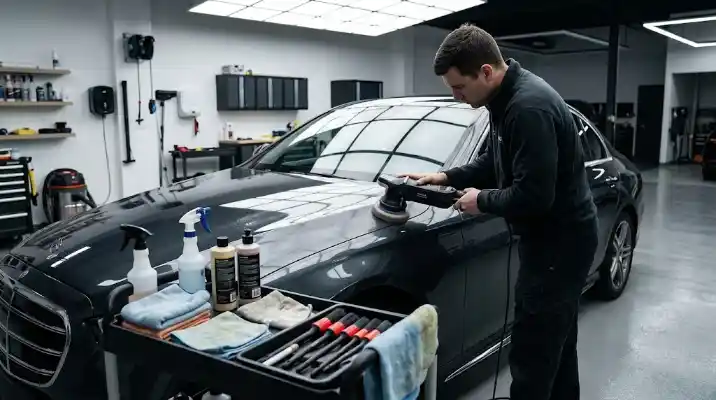
A careful two-bucket hand wash with a clean microfiber mitt and pH-neutral car shampoo is gentler than any automatic wash and cleans thoroughly. It takes longer, but for new, dark or coated paint it is worth doing whenever you can, with touchless washes filling the gaps in bad weather or busy weeks. If the paint already has swirls, a machine polish during a professional detail removes them, and no wash type will undo that damage on its own.
More Car Wash Questions
Modern foam-cloth washes are much gentler than old brushes, but worn or dirty material can leave fine swirl marks, especially on dark paint.
No, they are very paint-safe. Their stronger detergents can wear down wax or sealant faster, so reapply protection more often if you use them weekly.
Touchless washes are usually fine after the wrap has cured. Avoid brush and friction washes, which can scratch or lift the film.
Usually about $10 to $20 per wash. Many car washes offer unlimited monthly plans that save money if you wash often.
Yes. Touch-free, touchless and no-touch all describe automatic washes that clean with high-pressure water and detergent only, with no brushes or cloth touching the car.
They remove loose dirt, salt and dust well, but often leave a thin film of road grime, bugs and brake dust. Running your finger across a panel after the wash shows whether a contact wash or hand wash is needed.