How Much Does It Cost to Wrap a Car? Full, Partial and Finish Prices
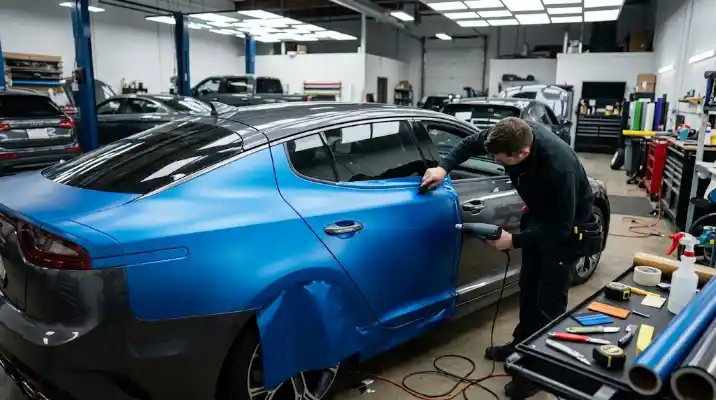
Car wrap cost depends on the vehicle size, the film and how much of the car you cover. A professional full car wrap usually costs $2,500 to $5,500 in 2026. Most sedans land around $2,800–$4,500, SUVs around $3,500–$5,500, and full-size trucks, vans and luxury cars can reach $5,000–$7,000 or more. Partial wraps cost much less: about $300–$600 for a roof or hood and $500–$2,000 for larger sections. Vehicle size, the vinyl finish and the installer’s skill decide the price.
This guide covers wrap prices by vehicle, finish and coverage, what a quote should include, how long a wrap lasts, and whether wrapping is a better deal than repainting.
Key Takeaways
- Full wrap: about $2,500–$5,500 for most cars; exotics and large vans cost more.
- Partial wrap: $300–$600 for a roof or hood, $500–$2,000 for larger sections.
- Finish matters: matte and satin add roughly 10–25% over gloss; chrome and specialty films can cost up to twice as much.
- Lifespan: quality cast vinyl typically lasts about 5–7 years with good care.
- Wrap vs paint: a wrap costs less than a comparable quality color-change paint job and can be removed.
Car Wrap Cost by Vehicle Type
| Vehicle | Typical full-wrap price |
|---|---|
| Compact car or coupe | $2,000–$3,500 |
| Sedan | $2,800–$4,500 |
| SUV or crossover | $3,500–$5,500 |
| Full-size truck or van | $4,500–$7,000+ |
| Luxury, sports or exotic car | $6,000–$12,000+ |
Prices are typical US ranges from 2025–2026 wrap shop pricing. Materials are usually only about a third of the bill; the rest is skilled labor, which is why a car with complex curves, deep bumpers and many sensors costs more to wrap than a boxy one of the same size.
Cost by Vinyl Finish
| Finish | Price vs standard gloss | Notes |
|---|---|---|
| Gloss | Baseline | Looks like paint; easiest to maintain |
| Satin | About 10–20% more | Soft sheen; popular on modern cars |
| Matte | About 10–25% more | Flat look; shows oils and needs matte-safe products |
| Carbon fiber or brushed metal textures | About 20–40% more | Common for accents, roofs and trim |
| Color-shift (chameleon) | About 25–50% more | Changes color with viewing angle |
| Chrome | Up to about 2x | Hardest to install; scratches more easily |
| Colored paint protection film (PPF) | About 40–60% more | Thicker, self-healing film that also protects paint |
Brand matters too. Premium cast films from manufacturers such as 3M, Avery Dennison, Oracal and KPMF cost more than budget or calendered vinyl but conform better to curves, shrink less and last longer. Printed custom graphics add design and printing fees on top of installation.
Partial Wrap and Accent Prices
| Job | Typical cost |
|---|---|
| Roof only | $300–$600 |
| Hood only | $300–$600 |
| Mirrors, spoiler or trim pieces | $100–$400 |
| Chrome delete (window trim, badges, grille) | $300–$800 |
| Racing stripes or decals | $200–$800 |
| Two-tone or half wrap | $1,000–$2,000 |
| Door jambs (add-on to a full wrap) | $500–$1,500 |
Partial wraps are a popular way to change a car’s look for a fraction of the cost. A gloss or satin black roof, a chrome delete and blacked-out mirrors can transform a car for well under $1,500.
What Affects Your Wrap Quote
- Size and shape: more surface area and complex bumpers or vents mean more material and hours.
- Coverage: full versus partial, and whether door jambs, inside the doors and the trunk lip are included.
- Finish and brand: specialty finishes and premium films cost more.
- Design work: custom printed graphics and commercial branding add design fees.
- Paint condition: vinyl sticks only to sound paint. Rust, chips and peeling clear coat must be fixed first, or the wrap can lift and pull paint off later.
- Disassembly: removing handles, badges, lights and bumpers gives a cleaner finish with hidden edges but adds labor.
- Installer skill and warranty: certified installers charge more but tuck edges properly and back their work.
- Location: labor rates are higher in large metro areas.
What a Good Wrap Quote Should Include
- The exact film brand, product line and color code
- Which panels are covered, including jambs and edges
- Prep work: wash, decontamination and panel wipe-down
- Whether hardware is removed or cut around in place
- The installation warranty (lifting, bubbling, peeling) and the film manufacturer’s warranty
- Estimated time in the shop and aftercare instructions
How Long Does a Car Wrap Last?
A professionally installed wrap made from quality cast vinyl typically lasts about 5 to 7 years, and sometimes longer on a garaged car. Cheaper calendered vinyl, heavy sun exposure, harsh winters and poor care shorten that. Horizontal surfaces such as the hood and roof take the most UV and usually show fading or cracking first.
Signs a Wrap Needs Replacing
- Fading or chalky color on the hood and roof
- Cracking, especially on horizontal panels
- Edges lifting or peeling
- Bubbles that appear long after installation
- Stains or discoloration that washing no longer removes
Car Wrap vs Paint: Which Is Better?
| Vinyl wrap | Quality repaint | |
|---|---|---|
| Typical cost (sedan, color change) | $2,500–$5,000 | $3,000–$10,000+ |
| Time off the road | About 2–5 days | About 1–3 weeks |
| Lifespan | About 5–7 years | 10 years or more |
| Reversible | Yes, can be removed | No |
| Protects original paint | Yes, from chips, UV and light scratches | Replaces the original paint |
| Effect on resale | Usually neutral if removed cleanly | Non-original color can lower value |
| Finish options | Huge range, including matte, chrome and color-shift | Limited or very expensive for special finishes |
A wrap is the better choice if you want a color change or special finish, want to protect original paint, lease your car or might want to go back to the factory color. Paint is the better choice if your existing paint is failing, since vinyl cannot fix it, or if you want a permanent finish that lasts well beyond seven years.
Does a Wrap Damage the Paint Underneath?
On healthy factory paint, a quality wrap removed within its rated lifespan usually comes off cleanly and leaves the paint protected. Problems happen when the vinyl goes over repainted, poorly bonded or damaged paint, when cheap films are left on too long and bake onto the surface, or when an installer cuts film directly on the car and scores the clear coat. Ask how the shop trims film; many use knifeless tape to avoid blades on the paint.
How Much Does Wrap Removal Cost?
Professional removal usually costs about $500 to $1,000 for a full car, more if the film is old, cracked or sun-baked. Removing a wrap before it reaches the end of its life is faster and cheaper.
Is Wrapping Your Car Worth It?
Wrapping is worth it if you value a new look without a permanent change, want to preserve the original paint for resale, or use the car for business advertising, where a printed wrap can be a cost-effective ad. It is not worth it if the paint underneath is already failing, if you plan to keep the car for 10 or more years in the same color, or if your budget only stretches to a cheap film and installer, which often leads to peeling and paint damage.
Practical Questions Before You Wrap
- Leased car: many leasing companies allow wraps that are removed before return without damage. Check your lease agreement first.
- DMV and registration: some states expect you to update the vehicle color on your registration after a full color change. Check your state‘s rules.
- Insurance: tell your insurer about a full wrap. Standard policies may not cover the full value of custom work without custom equipment coverage.
- Legal limits: reflective chrome wraps and wraps over lights or windows can break state laws; clear window perforated film has its own rules.
How to Care for a Wrapped Car
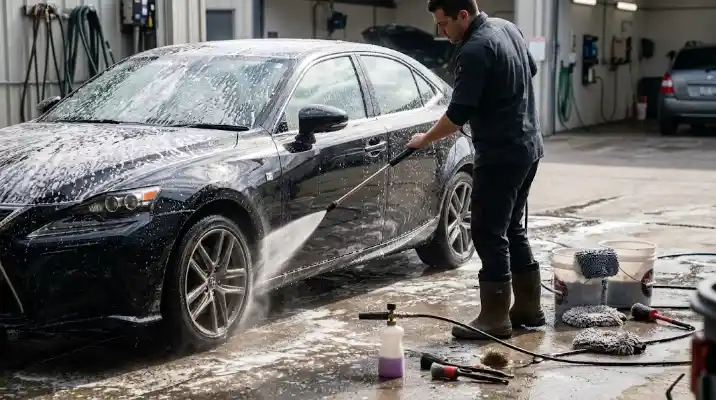
- Hand wash every one to two weeks with a pH-neutral car shampoo.
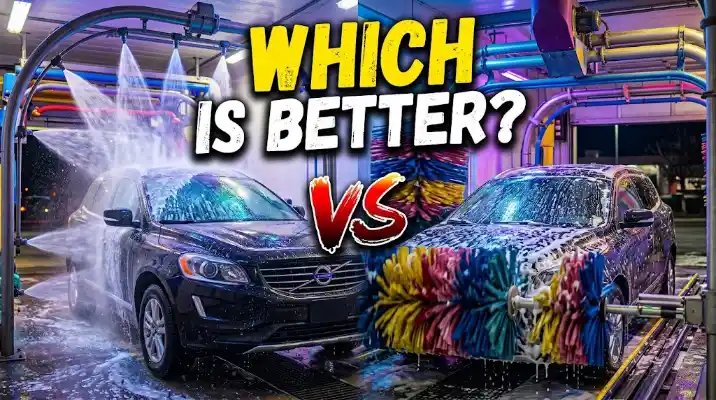
- Avoid automatic car washes with brushes; touchless washes are safer.
- Keep pressure washer nozzles at least 12 inches away and never aim at edges or seams.
- Remove bird droppings, bugs and fuel spills quickly.
- Use products made for vinyl, and matte-specific products on matte or satin films; never wax matte vinyl.
- Park in a garage or shade when you can to slow fading.
- Consider a ceramic coating made for vinyl to make cleaning easier.
DIY Wrap vs Professional Installation
Vinyl for a full car costs roughly $500 to $1,200 on its own, so DIY can look tempting. In practice, wrapping bumpers, mirrors and door edges without wrinkles, stretch marks or lifting takes a lot of skill, and wasted film adds up quickly. DIY makes sense for small flat pieces such as a roof, hood or trim. For a full wrap, a professional installer with a warranty is usually the better value.
For more ways to protect your paint, see our car care and cleaning guides.
Car Wrap Cost FAQ
A professional full wrap usually costs $2,500 to $5,500. Sedans often cost $2,800 to $4,500, SUVs $3,500 to $5,500, and trucks, vans and luxury cars more. Partial wraps start around $300 for a roof or hood.
A quality wrap is usually cheaper than a comparable quality color-change paint job, which often costs $3,000 to $10,000 or more. A cheap budget repaint can cost less than a wrap but rarely looks as good.
A professionally installed wrap made from quality cast vinyl typically lasts about 5 to 7 years. Sun exposure, harsh weather and poor care shorten its life.
A quality wrap on healthy factory paint usually protects it and removes cleanly. Damage is more likely on repainted or failing paint, with cheap films left on too long, or when installers cut film on the car.
Wrapping just the roof usually costs about $300 to $600, depending on the roof size, sunroof cutouts and film finish.
A matte black full wrap usually costs about 10 to 25 percent more than gloss, often around $3,000 to $6,000 for most cars.
Touchless car washes are generally fine, but avoid automatic washes with brushes, which can scratch or lift the film. Hand washing is best.
A full wrap usually takes about 2 to 5 days, including prep, installation and a short post-heat and inspection period.