Ceramic Coating for Cars: Is It Worth It?
Is ceramic coating worth it? For many owners, yes. A ceramic coating is worth it if you plan to keep a newer or well-kept car for several years, want paint that is easier to wash and stays glossy, and are willing to pay upfront. It is usually not worth it on an older car with worn paint, if you want protection from rock chips and scratches (it does not stop them), or if you rarely wash your car. Professional ceramic coating commonly costs about $700 to $2,500, largely because of the paint correction done before applying it, while DIY kits cost far less but usually last a shorter time.
Key Takeaways
- What it does: bonds to the clear coat to make paint slicker, glossier, water-beading and easier to clean.
- What it does not do: stop rock chips, door dings or deep scratches, or replace regular washing.
- Professional cost: commonly about $700–$2,500, most of it labor for paint correction.
- DIY kits: much cheaper; durability is typically shorter than professional coatings.
- Durability claims vary by product; check the installer’s written warranty and care requirements.
What Is a Ceramic Coating?
A ceramic coating is a liquid polymer, usually based on silicon dioxide (SiO2) or similar compounds, that is applied by hand to clean, polished paint. As it cures, it bonds to the clear coat and forms a thin, hard, slick layer. Compared with wax or sealant, which sit on top of the paint and wear off, a coating is designed to last much longer and resist chemicals, UV and contamination.
Ceramic Coating vs Wax vs Paint Sealant
| Car wax | Paint sealant | Ceramic coating | |
|---|---|---|---|
| What it is | Natural (carnauba) or synthetic wax | Synthetic polymer | Silica-based coating that bonds to clear coat |
| Typical durability | A few weeks to a few months | Several months | Much longer; professional coatings are usually sold with multi-year ratings |
| Gloss and water beading | Warm glow, good beading at first | Sharp shine, good beading | Strong, long-lasting beading and slickness |
| Chemical and UV resistance | Low | Moderate | High |
| Cost | Lowest | Low | Highest upfront |
| DIY friendly | Very | Very | Possible, but prep and application matter a lot |
Ceramic Coating Pros
- Easier cleaning: dirt, bugs and road grime release more easily.
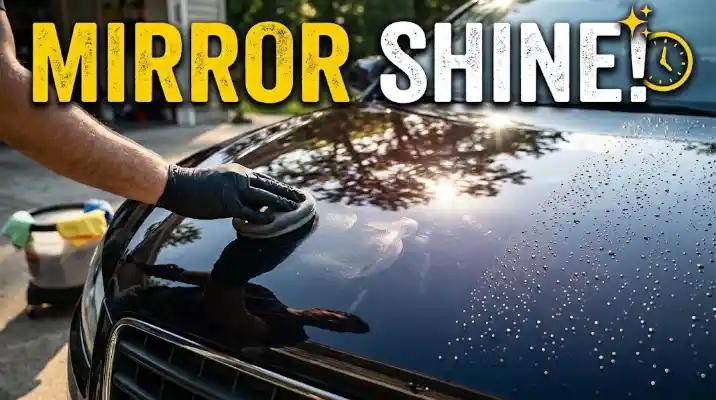
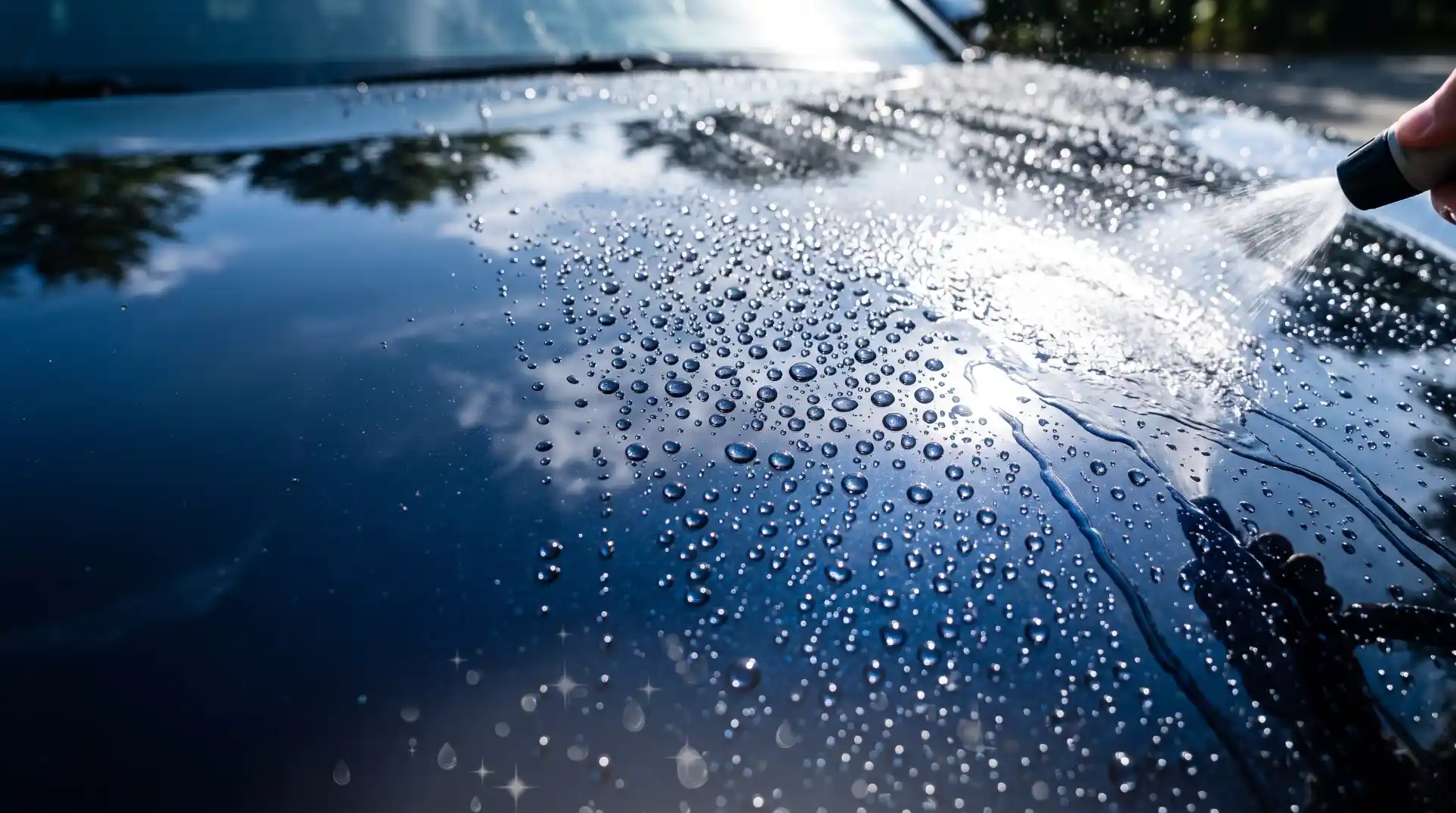
- Strong water beading: water sheets off, reducing water spots when cared for properly.
- UV and chemical resistance: helps protect against fading, bird droppings, tree sap and road salt when removed promptly.
- Long-lasting gloss: keeps paint looking freshly polished.
- Less frequent waxing: no need to wax every few months.
Ceramic Coating Cons
- High upfront cost for professional installation.
- Not scratch-proof: it can reduce light wash marring but will not prevent rock chips, key scratches or door dings.
- Prep is critical: any swirls or defects under the coating get locked in.
- Still needs washing: and some warranties require periodic inspections or maintenance products.
- Water spots still possible: minerals from hard water can etch any surface if left to dry.
How Much Does Ceramic Coating Cost?
| Option | Typical cost | Notes |
|---|---|---|
| DIY ceramic spray or “hybrid” product | About $15–$40 | Easy to apply; short-lived; best as a topper |
| DIY true ceramic coating kit | About $50–$150 | Requires thorough washing, decontamination and ideally polishing |
| Professional coating, entry package | About $700–$1,200 | Usually light paint correction and a shorter-rated coating |
| Professional coating with full paint correction | About $1,200–$2,500+ | Larger vehicles and multi-stage correction cost more |
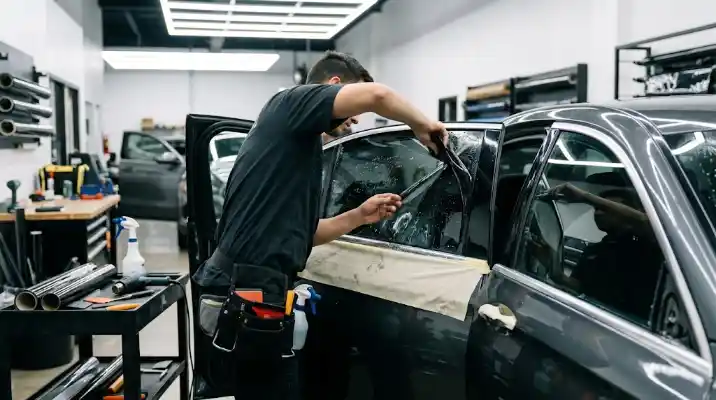
Most of a professional price is labor: washing, clay bar decontamination, machine polishing (paint correction) and careful application. Always compare what paint correction is included and get warranty terms in writing.
Is Ceramic Coating Worth It for You?
| Situation | Worth it? |
|---|---|
| New or nearly new car you will keep 3+ years | Often yes |
| Dark-colored car that shows swirls and water spots | Often yes |
| Car parked outdoors in strong sun or salt | Often yes |
| Older car with faded, oxidized or peeling clear coat | Usually no; fix the paint first |
| You want rock-chip protection | No; consider paint protection film (PPF) instead |
| Leased car you return in 2–3 years | Usually no |
| Tight budget | A sealant or DIY spray coating gives much of the look for less |
Ceramic Coating vs Paint Protection Film (PPF)
Paint protection film is a thick, clear urethane film applied to high-impact areas such as the front bumper, hood and mirrors. Unlike a ceramic coating, PPF can absorb small rock chips and some scratches. Many owners use PPF on the front of the car and a ceramic coating over the rest, or on top of the film. For the basics that keep any car in good shape, see fueleconomy.gov’s vehicle maintenance tips.
How to Care for a Ceramic-Coated Car
- Let it cure: avoid washing for about a week, or as the installer advises.
- Hand wash with a pH-neutral car shampoo using the two-bucket method.
- Avoid harsh automatic washes with strong chemicals or brushes when possible.
- Dry with a soft microfiber towel or a blower to prevent water spots.
- Remove bird droppings and sap quickly.
- Use a coating-safe booster spray if the installer recommends it.
Ceramic Coating FAQ
It is often worth it for newer cars you plan to keep for several years and want easier cleaning and lasting gloss. It is less worthwhile for older cars with worn paint or if you want chip protection.
Professional ceramic coating commonly costs about $700 to $2,500, depending on the vehicle size, product and how much paint correction is needed. DIY kits cost much less.
It depends on the product, preparation and care. Professional coatings are sold with multi-year ratings, while DIY sprays last much less. Check the warranty terms.
No. It can reduce light wash marring, but it does not stop rock chips, key scratches or dents. Paint protection film offers more impact protection.
It lasts longer and resists chemicals and UV better than wax, but it costs more upfront. Wax is cheaper and easy to reapply.
Yes, with a DIY kit, but results depend heavily on preparation: washing, decontaminating and ideally polishing the paint first.
Yes, but it will lock in existing swirls and defects. Old paint usually needs correction first, and peeling clear coat must be repaired.