Hail Car Covers: Do They Work? (Plus Hail Damage Repair Costs)
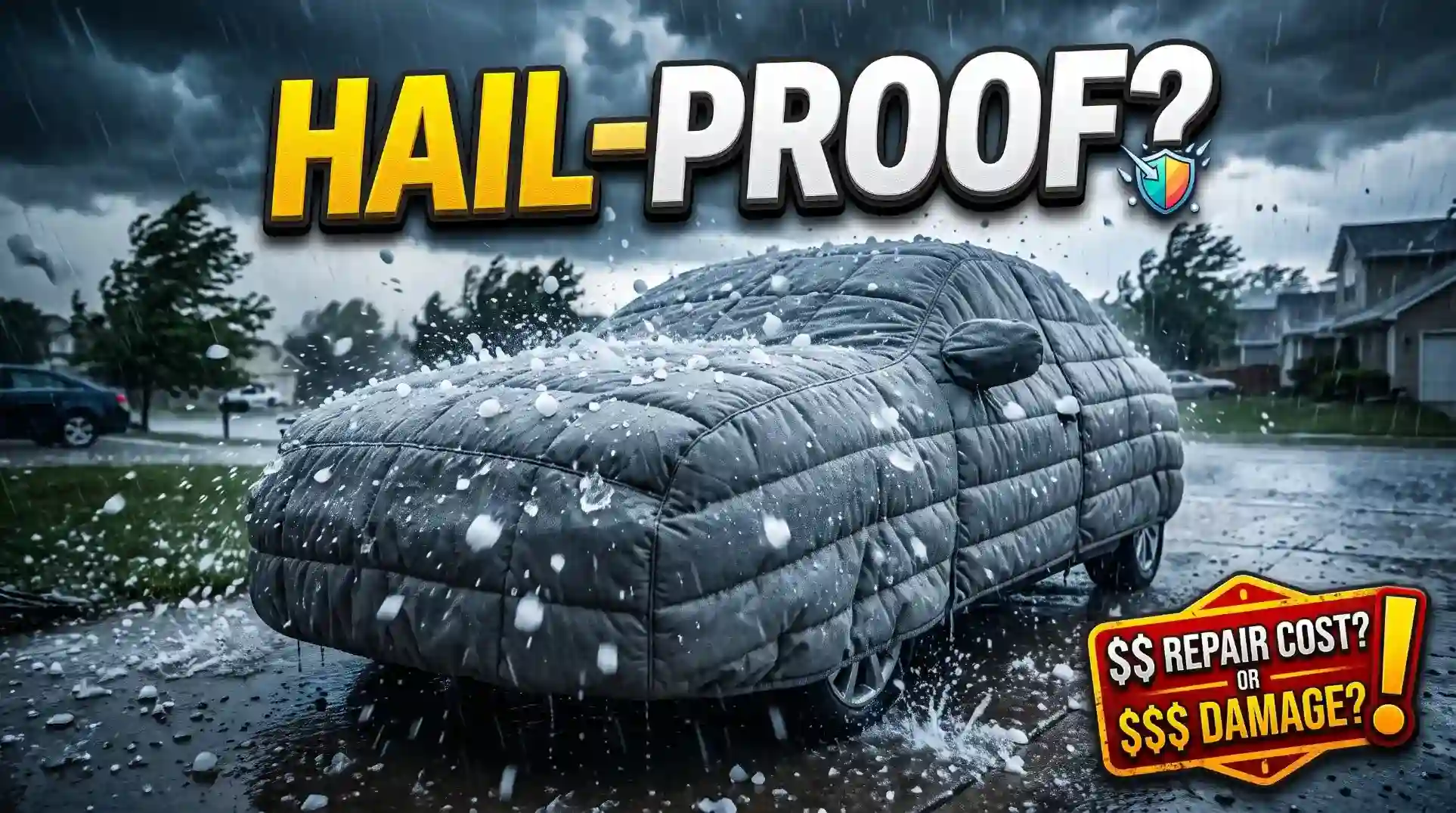
Hail car covers do work against small and moderate hail, but only padded or inflatable covers designed for hail, not ordinary thin car covers. A good padded cover can prevent most dents from pea- to quarter-size hail and reduce damage from golf-ball-size hail, but very large hail can still dent a car through any cover. The most reliable protection is parking in a garage or under a solid carport.
Here is how different hail covers compare, what size hail damages cars, what hail repair costs, and how insurance handles hail damage.
Key Takeaways
- Standard car covers protect paint from dust and sun, but offer almost no hail protection.
- Padded hail covers ($150–$500) help against small to moderate hail.
- Inflatable covers offer more cushioning but must be set up before the storm.
- Hail about 1 inch (quarter size) and larger commonly dents cars.
- Comprehensive insurance covers hail damage, minus your deductible.
Types of Hail Protection Compared
| Option | Typical cost | Protection | Practicality |
|---|---|---|---|
| Garage or solid carport | Varies | Best | Always ready |
| Inflatable hail cover | About $500–$900+ | Strong against moderate to large hail | Needs setup and power before the storm |
| Padded hail cover (multi-layer foam or EVA) | About $150–$500 | Good against small to moderate hail | Bulky; takes a few minutes to put on |
| Thick moving blankets or comforters strapped down | Low cost | Some protection against small hail | Emergency option only |
| Standard outdoor car cover | $50–$250 | Minimal | Protects paint, not against hail |
Padded Hail Covers
These use layers of foam or EVA padding, especially over the hood, roof and trunk, where most hail damage happens. They absorb impact from small hail well and reduce dents from larger hail. Look for thick padding on horizontal panels, a secure strap system for high winds and a waterproof outer shell. They are bulky to store, so keep yours somewhere easy to reach.
Inflatable Hail Covers
Inflatable systems use air chambers that blow up around the car, creating a thick cushion. They generally offer the most protection short of a garage, but you must deploy them before the hail arrives, which usually means watching forecasts and having a power source. They are popular with drivers in hail-prone areas who park outside.
What Size Hail Damages a Car?
| Hail size | Comparison | Typical effect on a car |
|---|---|---|
| 1/4 to 1/2 inch | Pea to marble | Usually little or no damage |
| About 3/4 inch | Penny | Possible light dings on softer or aluminum panels |
| About 1 inch | Quarter | Dents are likely |
| 1.75 inches | Golf ball | Widespread dents; possible glass damage |
| 2.5 inches and larger | Tennis ball to baseball | Severe dents, cracked or broken glass; can total older cars |
Wind makes hail more damaging, driving it into the side of the car and increasing impact speed. Aluminum hoods and roofs, used on many newer vehicles, can dent more easily than steel.
How Much Does Hail Damage Repair Cost?
| Damage level | Typical repair cost | Common method |
|---|---|---|
| A few small dents | $150–$500 | Paintless dent repair (PDR) |
| Light damage over the whole car | About $1,200–$2,500 | PDR |
| Moderate to heavy damage | About $2,500–$9,000+ | PDR plus conventional body work and paint |
| Severe damage with glass | $10,000+ | Panel replacement, glass and paint; may be totaled |
Paintless dent repair massages dents out from behind the panel without repainting, keeping the factory finish. It works for most hail dents where the paint is not cracked, and it is usually much cheaper and faster than traditional repair. Larger dents, damage on panel edges and cracked paint usually need conventional body work.
Does Insurance Cover Hail Damage?
Yes, if you have comprehensive coverage. It pays to repair hail damage minus your deductible. Liability-only policies do not cover hail. Comprehensive claims for weather damage generally affect your rates less than at-fault accident claims, but this varies by insurer and state. If the repair estimate is close to your deductible, it may not be worth filing.
What to Do After a Hailstorm
- Photograph the damage from several angles in good light, along with the date.
- Check the glass, lights and mirrors, not just the body.
- Cover any broken windows to keep water out.
- Contact your insurer to start a claim and ask about approved repair shops or PDR specialists.
- Get a written estimate; many areas see “hail chasers” after storms, so choose a reputable shop with reviews and a warranty.
How to Protect Your Car When Hail Is Forecast
- Park in a garage, a covered parking deck or under a solid carport.
- If none is available, park next to a tall building on the side away from the wind; avoid parking under trees that can drop limbs.
- Put on a hail cover or, in an emergency, strap thick blankets over the hood, roof and windshield.
- Use weather alerts on your phone so you have time to act.
- If you are driving when hail starts, pull into a covered area such as a gas station canopy or parking garage; do not stop under highway overpasses, which can block traffic and create danger.
Is a Hail Cover Worth It?
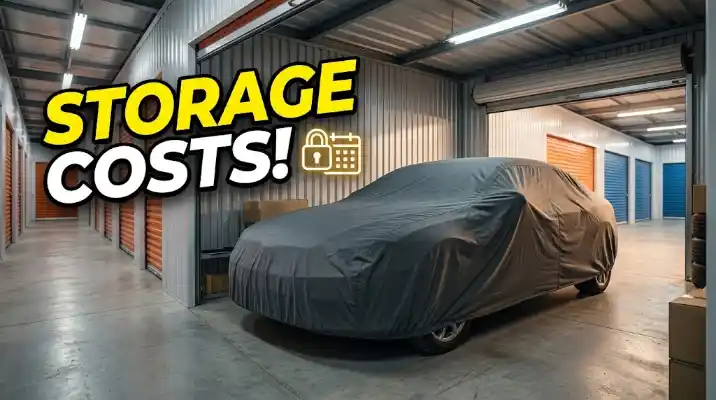
A hail cover is worth considering if you live in hail-prone areas such as the Great Plains, Colorado and Texas, park outside, and have a newer or valuable car. Even with comprehensive coverage, a hail claim means paying the deductible, time without your car and a damage history that can affect resale. For drivers with a garage, or in areas where hail is rare, a cover is less necessary. If you do not have a garage, covered car storage can be a better long-term option in hail-prone areas.
Hail Protection FAQ
Padded and inflatable hail covers work well against small to moderate hail and reduce damage from larger hail. Ordinary thin car covers offer little hail protection.
Hail around 1 inch in diameter, about the size of a quarter, commonly causes dents. Golf-ball-size and larger hail can cause severe dents and break glass.
A few small dents often cost $150 to $500 with paintless dent repair. Light damage across the whole car often runs $1,200 to $2,500, and heavy damage can exceed $9,000.
Yes, comprehensive coverage covers hail damage minus your deductible. Liability-only policies do not.
Comprehensive claims for weather usually affect rates less than at-fault accidents, but it depends on your insurer, state and claim history.
Usually, yes, when the paint is not cracked. PDR can fix most hail dents and keeps the original factory paint.
Padded hail covers typically cost about $150 to $500, and inflatable systems about $500 to $900 or more.
Slow down and find covered shelter such as a gas station canopy or parking garage. Avoid stopping under highway overpasses, which blocks traffic.