How Much Does Window Tint Cost? Prices by Film, Car and Window
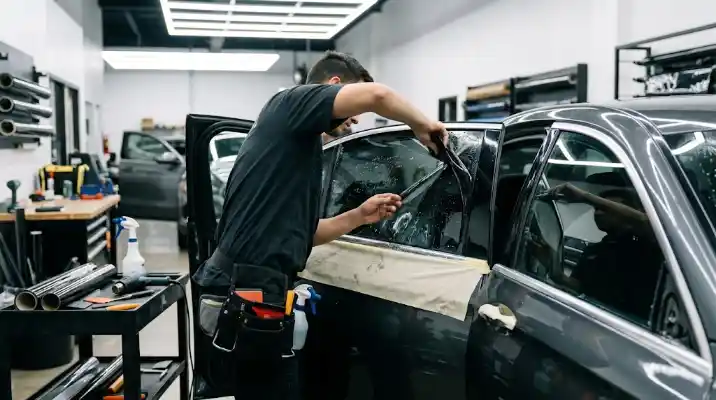
Professional window tinting for a full car usually costs $150 to $800. A basic dyed film on a sedan can come in near the bottom of that range, while ceramic film on an SUV or truck often costs $400 to $800 or more. The two things that move the price most are the type of film and how many windows your vehicle has, not how dark you go.
Below you will find typical prices by film type, vehicle and individual window, what tint percentages mean, how state laws affect your choice, and whether premium ceramic film is worth the extra money.
Key Takeaways
- Full car: about $150–$400 for dyed or carbon film, $400–$800+ for ceramic.
- Front two windows only: roughly $75–$200, often done to match factory-tinted rear glass.
- Windshield: a visor strip is about $50–$100; clear heat-rejecting ceramic on the full windshield runs about $150–$350 where legal.
- Old tint removal: adds about $100–$300 for the whole car.
- Darkness does not change the price much. Film quality and heat rejection do.
Window Tint Cost by Film Type
Film type is the biggest price factor. Cheaper films darken the glass; better films block heat and last longer without fading.
| Film type | Typical full-car price | Heat rejection | Typical lifespan | Best for |
|---|---|---|---|---|
| Dyed | $100–$300 | Low | 3–5 years | Privacy and looks on a budget |
| Metalized | $200–$400 | Moderate | 5–10 years | Heat rejection when signal interference is not a concern |
| Carbon | $200–$500 | Good | 5–10+ years | Best value: good heat control, matte finish, no signal issues |
| Ceramic | $400–$800+ | Best | 10+ years | Hot climates, long-term ownership, maximum comfort |
Dyed Film
Dyed film uses a dye layer to absorb light. It gives privacy and a darker look for the lowest price, but it does little against heat and tends to fade and turn purple over time. Bubbling and discoloration are the classic signs of cheap dyed tint that needs replacing.
Metalized Film
Metalized film contains tiny metal particles that reflect heat and add strength to the film. The trade-off is that metal can interfere with GPS, cell reception, radio and toll transponders, and some finishes look shiny. Hybrid films mix dye and a thin metal layer to reduce that interference.
Carbon Film
Carbon film uses carbon particles to block infrared heat without metal, so it does not affect electronics. It has a matte, dark finish and resists fading well. For many drivers it is the sweet spot, delivering much of the performance of ceramic for noticeably less money.
Ceramic Film
Ceramic film uses non-conductive ceramic particles that block a large share of infrared heat and more than 99% of UV rays, even in light shades. It will not interfere with electronics, stays clear and color-stable for many years, and usually carries a lifetime warranty from brands such as 3M, XPEL, LLumar and SunTek. It is also the most expensive option.
Window Tint Cost by Vehicle Type
More glass means more film and more labor. Curved rear windows, like those on many hatchbacks and coupes, also take longer to fit.
| Vehicle | Carbon or mid-range film | Ceramic film |
|---|---|---|
| Coupe (2-door) | $150–$350 | $300–$600 |
| Sedan | $200–$400 | $350–$700 |
| Pickup truck | $150–$400 | $300–$650 |
| SUV or crossover | $250–$450 | $400–$800 |
| Minivan or van | $300–$500 | $450–$850+ |
Prices are typical US ranges from 2025–2026 installer quotes and cost guides. Expect to pay more in large cities, at dealerships and for premium brands.
Cost to Tint Individual Windows
| Job | Typical cost |
|---|---|
| Front two side windows | $75–$200 |
| Single window (new or re-tint) | $50–$125 |
| Rear windshield only | $75–$200 |
| Windshield visor strip (top band) | $50–$100 |
| Full windshield, clear ceramic (where legal) | $150–$350 |
| Sunroof or moonroof | $75–$150 |
| Remove old tint, per window | $25–$50 |
| Remove old tint, whole car | $100–$300 |
Many newer cars already have darker “privacy glass” on the rear windows from the factory. In that case, tinting only the two front windows to match can be the most cost-effective job. Factory privacy glass is colored glass, not film, so it tints the view but blocks little heat.
What Window Tint Percentages Mean
Tint darkness is measured as VLT (visible light transmission): the percentage of visible light that passes through the glass. A lower number means a darker window.
| VLT | How it looks | Common use |
|---|---|---|
| 5% | Limo tint; very hard to see into, hard to see out of at night | Rear windows where legal |
| 15–20% | Dark and private | Rear windows in many states |
| 30–35% | Noticeably tinted, still easy to see out | Front side windows in many states |
| 50% | Light tint, subtle look | Front windows in stricter states |
| 70%+ | Nearly clear | Windshields and the strictest states; clear ceramic heat control |
Keep in mind that film is applied to glass that already blocks some light, so the final VLT of the window is lower than the film number on its own. A reputable installer measures the finished window with a meter to make sure it is legal.
VLT is about darkness, not heat. If your main goal is a cooler cabin, compare films by total solar energy rejected (TSER) and infrared rejection. A light ceramic film can keep a car cooler than a very dark dyed film.
Is Window Tint Legal? State Laws in Brief
Every US state sets its own tint rules, and they differ by window:
- Windshield: most states allow tint only on a strip across the top, usually down to the AS-1 line marked on the glass or the top few inches.
- Front side windows: this is where states differ most. Limits range from about 70% VLT (nearly clear) in the strictest states, such as California and New York, to around 35% or darker in many others.
- Rear side and back windows: many states allow much darker tint here, especially if the car has two side mirrors.
- Reflectivity and color: many states also limit mirror-like finishes and ban certain colors such as red or amber.
- Medical exemptions: many states allow darker tint with a doctor-certified condition, usually through a permit from the DMV.
Illegal tint can lead to fix-it tickets, fines and failed inspections in states that inspect vehicles, and the rules change over time. Before you book, check your state DMV or state police website for the current limits, and ask the shop to put the film VLT on your receipt. If you move to a new state, your old tint may not be legal there.
Windshield Tint and Driver-Assist Cameras
Many newer cars have cameras and sensors mounted behind the windshield for lane-keeping, automatic emergency braking and adaptive cruise control. A reputable installer cuts the film around the camera area, or leaves the windshield alone, so these systems keep working. If film is placed in front of a camera by mistake, the car may show a driver-assist warning and the fix can include removing the film and, on some models, recalibrating the camera, which can cost a few hundred dollars. Ask the shop how they handle the camera zone before you approve windshield work.
Panoramic Roofs and Sunroofs
Large glass roofs let in a lot of heat. Clear or light ceramic film on a panoramic roof usually costs about $75 to $200 and can make a real difference in summer, especially on cars without a solid sunshade.
Does Window Tint Affect Car Insurance?
Legal aftermarket tint normally does not change your premium, but it is a modification, so mention it if your insurer asks about aftermarket changes. Insurance generally will not pay to remove tint that is illegal, and if a covered claim replaces a window, the new glass usually comes without film unless you have the tint added back at your own cost or your policy covers custom equipment.
What Affects the Price of Window Tinting
- Film type and brand: ceramic and premium brands cost more but last longer and carry better warranties.
- Number and shape of windows: SUVs, vans and curved rear glass take more film and time.
- Old tint removal: peeling off old film and adhesive, especially around rear defroster lines, adds labor.
- Windshield work: full-windshield film is a separate, pricier job and must be clear enough to be legal.
- Shop reputation and location: experienced installers with computer-cut patterns and clean bays charge more but deliver fewer bubbles and gaps.
- Warranty: a lifetime, nationwide film warranty is common on carbon and ceramic films and worth paying for.
Is Ceramic Tint Worth It?
Ceramic tint is worth it if you live somewhere hot and sunny, park outside, spend a lot of time in the car or plan to keep it for years. You get a noticeably cooler cabin, less glare, strong UV protection for your skin and interior, and a film that stays clear without fading.
If you mainly want privacy or a darker look, or you plan to sell the car soon, carbon film delivers most of the benefit for less money. Dyed film only makes sense for a tight budget or a short-term vehicle.
Benefits of Tinting Your Car Windows
- Cooler interior: good films block much of the infrared heat that makes a parked car an oven.
- UV protection: quality film blocks more than 99% of UV rays, which helps protect skin and slows fading and cracking of seats and dashboards.
- Less glare: easier driving in low sun and less eye strain.
- Privacy and security: valuables are harder to see, and film helps hold shattered glass together.
- Lower AC load: a cooler cabin means the air conditioning does not have to work as hard.
Downsides to Consider
- Night visibility: very dark tint makes it harder to see when reversing or on unlit roads.
- Legal risk: tint darker than your state allows can mean tickets and removal costs.
- Resale: very dark or damaged tint can put off some buyers, while quality, legal tint rarely hurts value.
- Poor installs: bubbles, peeling edges and dust spots are common with cheap shops or DIY kits.
DIY Window Tint vs Professional Installation
DIY tint kits cost roughly $30 to $150 and pre-cut kits for your exact model make the job easier. Even so, getting film onto curved glass without creases, dust or bubbles takes practice, and a failed attempt means paying for removal as well. For most owners, a professional installation with a warranty is the better value, especially for carbon or ceramic film that costs more to waste.
How Long Tint Takes, Curing and Aftercare
- Installation time: about 1–4 hours for most cars, longer if old film must be removed.
- Curing: keep windows rolled up for about 3–5 days, longer in cold or humid weather, so the film can bond.
- Haze and small water bubbles: normal for the first days or weeks while moisture evaporates.
- Cleaning: use a soft microfiber cloth and ammonia-free glass cleaner; ammonia can damage film over time.
- Lifespan: dyed film often lasts 3–5 years; carbon and ceramic commonly last 10 years or more.
How to Choose a Tint Shop and Save Money
- Ask which film brand and line they are quoting, and compare the same film between shops.
- Ask for the heat rejection (TSER) numbers, not just the darkness.
- Get the warranty in writing, including whether it covers bubbling, peeling and fading.
- Look at recent work and reviews, and check that the shop follows your state limits.
- Consider front windows only if your car has factory rear privacy glass.
- Bundle services: some shops discount tint booked with paint protection or detailing.
For more ways to protect your car and its value, see our car care and cleaning guides. Need to take off an old parking permit or dealer decal first? Here is how to remove stickers from a car window without harming the glass.
Window Tint Cost FAQ
Most drivers pay $150 to $800 for a full car. Dyed and carbon films usually cost $150 to $450, and ceramic film usually costs $400 to $800 or more, depending on the vehicle and the number of windows.
Tinting the front two side windows typically costs $75 to $200. This is a common job on cars that already have factory privacy glass in the back.
For many drivers, 30 to 35 percent VLT on the side windows offers a good balance of privacy, heat control and night visibility, but the best choice is the darkest shade your state allows for each window.
Dyed film often lasts 3 to 5 years before fading or bubbling. Carbon and ceramic films commonly last 10 years or more and often carry lifetime warranties.
Ceramic tint is worth it in hot, sunny climates or if you keep your car for many years, because it blocks the most heat without interfering with electronics. Carbon film is a strong, cheaper alternative.
Yes. Tint darker than your state allows can lead to a fix-it ticket, a fine or a failed inspection. Check your state DMV rules and keep your installer receipt showing the film VLT.
Wait about 3 to 5 days, or longer in cold or humid weather, so the film can cure. Some haze or small water bubbles during this time is normal.
Yes. Quality carbon and ceramic films reject a meaningful share of solar heat, keeping a parked car cooler and reducing the load on your air conditioning. Dyed film reduces glare but blocks relatively little heat.