Transmission Repair Cost: Repair vs Rebuild vs Replace
Transmission repair costs range from about $150 for a minor fix such as a solenoid or a leaking pan gasket to $2,000–$4,500 for a rebuild and $4,000–$8,000 or more for a brand-new replacement installed by a dealer. The biggest factors are what has actually failed, the type of transmission (conventional automatic, CVT or manual), your vehicle’s make and whether it is all-wheel drive, and local labor rates, since swapping a transmission often takes 8 to 12 hours of work.
Transmission Repair Cost by Repair Type
These are typical US price ranges including parts and labor, gathered from repair-cost estimators and shop price guides. Your quote can be higher for trucks, luxury cars, all-wheel-drive vehicles and areas with high labor rates.
| Repair | Typical cost | Notes |
|---|---|---|
| Transmission fluid change | $100–$250 | Drain-and-fill; a full exchange or flush costs more |
| Pan gasket or filter replacement | $150–$400 | Common cause of leaks and a routine service item on some models |
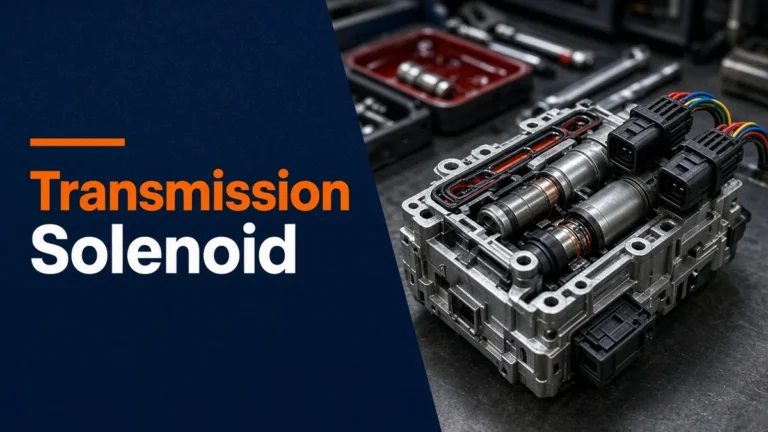
| Shift solenoid replacement | $150–$600 | A solenoid pack or valve-body-mounted solenoids cost more |
| Seal or axle seal leak repair | $200–$700 | Front pump seals need the transmission removed, so they cost more |
| Transmission speed or range sensor | $150–$500 | Often diagnosed from a trouble code |
| Transmission control module (TCM) | $500–$1,500 | Includes programming; some cases only need a software update |
| Valve body repair or replacement | $600–$1,500 | Fixes many harsh or erratic shifting problems |
| Torque converter replacement | $1,000–$2,500 | Labor-heavy because the transmission must come out |
| Transmission rebuild | $2,000–$4,500 | Worn parts replaced in your original unit |
| Used transmission installed | $1,200–$3,000 | Cheapest replacement, with the most uncertainty |
| Remanufactured transmission installed | $2,500–$5,500 | Factory-rebuilt with updated parts and a warranty |
| New transmission installed (dealer) | $4,000–$8,000+ | Most expensive; best warranty |
| CVT replacement | $3,500–$8,000 | Many CVTs are replaced rather than rebuilt |
| Manual clutch replacement | $1,000–$2,500 | Not a transmission failure, but often mistaken for one |
What National Estimates Say in 2026
| Source | What it estimates | Range |
|---|---|---|
| RepairPal (September 2026) | Average transmission replacement, parts and labor | $6,238–$6,764, with $1,127–$1,654 of that in labor |
| Kelley Blue Book | Average for a new transmission | $2,900–$7,100 |
| AutoZone | Typical transmission replacement | $1,500–$5,000 or more |
The spread comes from what each estimate counts: some assume a new unit at a dealer, others include rebuilt or used units at independent shops. That is why a quote for your exact vehicle, with the type of unit spelled out, matters more than any national average.
Transmission Replacement Cost by Vehicle Type
The type of vehicle and transmission affects price as much as the repair itself. These are typical ranges for a remanufactured replacement, installed, at an independent shop:
| Vehicle and Transmission Type | Typical Replacement Cost (US) | Why |
|---|---|---|
| Compact or midsize car, conventional automatic | About $2,500–$4,500 | Common units, many rebuilt options |
| Car or crossover with a CVT | About $3,500–$8,000 | Often replaced as a unit rather than rebuilt |
| Midsize SUV, 8- or 9-speed automatic | About $4,000–$7,000 | More complex units, more labor |
| Full-size pickup, 8- or 10-speed automatic | About $4,500–$8,000+ | Heavy-duty parts; 4WD adds labor |
| Luxury or European vehicle | About $5,000–$10,000+ | Expensive parts, special tools and programming |
| Manual transmission (rebuild) | About $1,500–$3,500 | Simpler design, but clutch work often added |
Dealer prices are often higher, and used units can be cheaper but carry more risk. Always get the exact quote for your VIN.
Why Transmission Repairs Cost so Much
A modern automatic is one of the most complex parts of a car. It contains dozens of clutch plates, a hydraulic valve body, electronic solenoids, sensors and a control computer, all sharing one fluid. Most internal repairs require removing the whole unit, which means disconnecting driveshafts or axles, the exhaust, wiring and cooler lines. That labor alone is often 8 to 12 hours, and with shop rates commonly between $100 and $200 an hour, labor can match the cost of the parts.
- Vehicle type: trucks, SUVs, all-wheel-drive and European cars cost more to work on.
- Transmission design: 8-, 9- and 10-speed automatics and CVTs have more expensive parts than older 4-speeds.
- Parts source: new factory units cost the most; used units the least.
- Location: labor rates vary widely between regions and between dealers and independent shops.
- Collateral damage: a failure that sends metal through the cooler lines may also need a new cooler and flushed lines.
Repair vs Rebuild vs Replace: Which Makes Sense?
Repair
Choose a targeted repair when a diagnosis points to one component, such as a solenoid, sensor, leaking seal or software fault, and the rest of the transmission is healthy. This is where a careful diagnosis saves the most money.
Rebuild
A rebuild means the transmission is removed, taken apart, cleaned and fitted with new clutches, seals, gaskets and any damaged parts. It can be excellent value when done by an experienced transmission specialist, and you keep the transmission that was built for your car. It usually takes several days.
Remanufactured Replacement
A remanufactured unit is rebuilt in a factory setting to a standard, often with design updates that fix known weaknesses, and typically comes with a nationwide warranty. It costs more than most local rebuilds but gets the car back on the road faster.
Used Replacement
A used transmission from a salvage yard is the cheapest option and can make sense for an older, low-value car. The risk is that you rarely know its history. Ask for the donor vehicle’s mileage and a written warranty.
New Replacement
A new transmission from the manufacturer is the most expensive choice and is most common on newer vehicles, particularly under warranty or when the unit is not rebuildable.
| Option | Typical cost installed | Typical warranty | Best for |
|---|---|---|---|
| Targeted repair | $150–$2,500 | Parts and labor, varies | A single identified fault |
| Rebuild | $2,000–$4,500 | Often 12 months to 3 years | Worn internals in a car you plan to keep |
| Remanufactured | $2,500–$5,500 | Often 3 years or more | Faster turnaround with a strong warranty |
| Used | $1,200–$3,000 | Often 30 days to 1 year | Older cars with low resale value |
| New | $4,000–$8,000+ | Manufacturer warranty | Newer cars and non-rebuildable units |
Warranty terms vary by shop and supplier, so read the terms before you agree to the work.
Is It Worth Fixing the Transmission?
A simple rule of thumb: compare the repair quote with what the car will be worth after the repair. If the repair is more than about half the car’s repaired value, or the car has other expensive problems coming, it may be time to sell. Check its value with our guide to car trade-in value; many dealers and private buyers will take a car with a failing transmission at a discount, and our guide to selling a car privately covers how to disclose problems honestly.
- Fix it if: the car is reliable otherwise, paid off, and worth clearly more than the repair.
- Consider replacing the car if: the repair exceeds a large share of its value, rust or engine problems are also present, or you were planning to replace it soon anyway.
Signs Your Transmission Needs Repair
- Slipping: the engine revs rise but the car does not speed up
- Delayed engagement when shifting into Drive or Reverse
- Harsh, jerky or unusually late shifts
- Grinding, whining or clunking noises (see our guide to car noises explained)
- Shaking or shuddering at certain speeds, covered in why your car is shaking
- Red or brown fluid spots under the car
- A burning smell or a transmission or check engine warning light
Stop driving if: the transmission will not engage, slips badly at highway speed, or you smell burning fluid. Driving on a failing transmission can turn a repairable fault into a full replacement. A tow to a transmission shop almost always costs far less than the extra damage from driving on.
Manual Transmission and Clutch Repair Costs
Many “transmission problems” in manual cars are really clutch problems, which are much cheaper to fix.
| Repair | Typical Cost (US) | Common Symptoms |
|---|---|---|
| Clutch replacement (kit) | About $1,000–$2,500 | Slipping, high engagement point, burning smell |
| Clutch master or slave cylinder | About $250–$700 | Soft or sinking clutch pedal, hard to shift |
| Flywheel resurfacing or replacement | About $200–$1,000 extra | Chatter or vibration when engaging |
| Manual transmission fluid change | About $75–$200 | Notchy or stiff shifts |
| Shifter linkage or bushings | About $150–$500 | Sloppy or loose shifter |
| Manual transmission rebuild | About $1,500–$3,500 | Grinding into gear, popping out of gear, bearing whine |
Get a Proper Diagnosis Before You Pay for a Transmission
- Check the fluid: low, dark or burnt-smelling fluid is a clue; the fix may start with a leak repair and refill. The correct fluid matters, as explained in our guide to transmission fluid types.
- Scan for codes: transmission faults usually store trouble codes. A code alone is not a diagnosis, but it narrows the search, as our check engine light guide explains.
- Road test with a technician: when and how the problem happens tells a specialist a lot.
- Ask about software updates and service bulletins: some shifting problems are fixed by reprogramming.
- Get the diagnosis in writing: ask what failed and why, not just the price of a new unit.
Red Flags on a Transmission Quote
- A replacement quote with no diagnosis: no scan codes, road test or fluid inspection.
- Pressure to decide today or “special pricing” that expires in hours.
- A vague estimate that does not say whether the unit is rebuilt, remanufactured, used or new.
- No written warranty terms, or a warranty that covers parts but not labor.
- Refusal to return old parts or show you the problem.
- A very low teardown price that quickly turns into a large rebuild bill once the transmission is out.
Questions to Ask Before You Approve Work
- What exactly failed, and how was it diagnosed?
- Is this a repair, a rebuild, or a replacement unit, and who built it?
- How long is the warranty, is it nationwide, and does it include labor?
- Does the price include fluid, torque converter, cooler flushing, programming and taxes?
- How long will the car be in the shop?
- Can I have the old parts or see the damage?
How to Choose a Transmission Shop and Avoid Overpaying
- Get at least two written estimates, ideally including one from a transmission specialist
- Ask whether the quote is for a repair, rebuild, remanufactured, used or new unit
- Ask what the warranty covers, for how long, and whether it is honored nationwide
- Be wary of a replacement quote before any diagnosis, or a price that is far below everyone else
- Ask whether the torque converter and cooler are included or extra
- Check reviews for transmission work specifically, not just general repairs
Does Warranty or Insurance Cover Transmission Repair?
A new car’s powertrain warranty usually covers internal transmission failures for several years, often 5 years or 60,000 miles for many brands, though terms vary. Extended warranties and vehicle service contracts may cover it if the contract lists the transmission and you followed the maintenance schedule. Car insurance generally does not cover mechanical failure; it only pays for transmission damage caused by a covered event, such as a crash.
How to Avoid Expensive Transmission Repairs
- Follow the transmission fluid service interval in your manual, especially if you tow
- Use only the fluid specification your car requires
- Fix leaks early before the fluid runs low; our guide to car fluid leaks helps you identify them
- Come to a full stop before shifting between Drive and Reverse
- Avoid overloading or towing beyond your vehicle’s rating
- Get small shifting problems checked before they get worse
Related guides: dashboard symbols and meanings, do automatic cars have a clutch and car maintenance schedule by mileage.
Transmission Repair Cost FAQ
Minor repairs such as solenoids, seals and sensors typically cost $150 to $800. A rebuild is usually $2,000 to $4,500, and a replacement ranges from about $1,200 for a used unit to $8,000 or more for a new one.
A well-done rebuild can last many years and 100,000 miles or more, depending on the shop’s quality, the parts used and how the car is driven and maintained.
It can be if the rest of the car is in good condition and worth clearly more than the repair. If the quote is more than about half the car’s value, selling or replacing the car may make more sense.
It is not recommended. Continuing to drive can cause more damage and leave you stranded, and slipping or failure to engage can be dangerous in traffic.
Usually not. Insurance covers damage from accidents and other covered events, not wear or mechanical failure. A powertrain warranty or extended warranty may cover it.
Usually the transmission is cheaper. A replacement engine often costs more in parts and labor than a rebuilt or remanufactured transmission, though a new dealer transmission in a truck or luxury car can rival an engine job. Compare written quotes for your specific vehicle.