ABS, Oil and Battery Warning Lights Explained
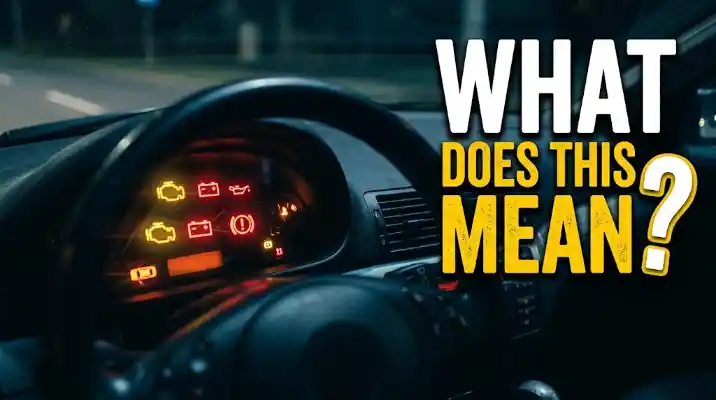
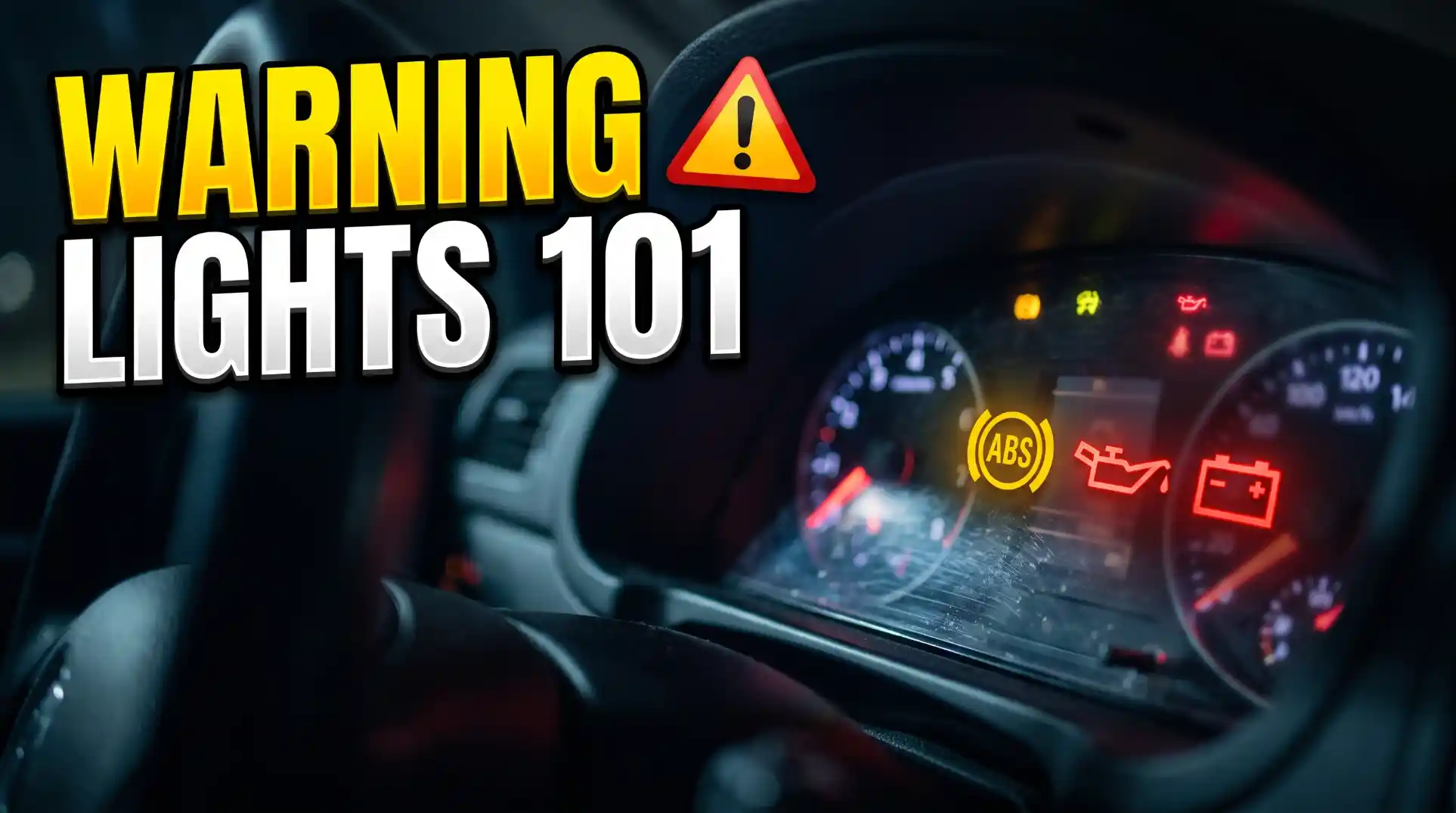
The ABS light means the anti-lock braking system has a fault, most often a bad or dirty wheel speed sensor, damaged wiring, low brake fluid, a blown fuse or an ABS module problem. Your regular brakes usually still work, but the wheels may lock up in a hard stop, so drive carefully and get it checked soon. The oil light usually means low oil pressure, which is an emergency: pull over and turn off the engine. The battery light means the charging system (usually the alternator or its belt) is not keeping the battery charged, so you may have only a limited time before the car stalls.
Key Takeaways
- ABS light (amber): anti-lock braking disabled; normal brakes usually work. Get it checked soon.
- ABS plus red BRAKE light: possible serious brake problem; stop driving.
- Oil pressure light (red oil can): pull over and shut off the engine right away.
- Oil level or oil change reminder (often amber): check the dipstick and top up or schedule service.
- Battery light (red): charging problem; turn off accessories and head straight to a shop.
Quick Guide: Which Light Is It and How Urgent?
| Light | What it means | Urgency | What to do |
|---|---|---|---|
| ABS (amber “ABS” in a circle) | Anti-lock brake fault | Soon | Drive gently, leave more stopping distance, get it scanned |
| BRAKE (red, “!” in a circle or “BRAKE”) | Parking brake on, low brake fluid or hydraulic fault | High | Release parking brake; if still on, stop and check brakes |
| Oil pressure (red oil can) | Low oil pressure | Emergency | Pull over, turn off the engine, check oil level |
| Oil level / service (amber, varies by car) | Low oil level or oil change due | Soon | Check dipstick, add oil, schedule service |
| Battery (red battery symbol) | Charging system not charging | High | Turn off accessories; drive directly to a shop |
ABS Light on: What It Means
The anti-lock braking system (ABS) monitors each wheel’s speed with wheel speed sensors. If a wheel starts to lock during hard braking, the ABS rapidly pulses the brake pressure so you can keep steering. When the system detects a fault, it turns itself off and the ABS light comes on.
Common Causes of an ABS Light
- Wheel speed sensor: damaged, dirty, or with a broken wire; the most common cause.
- Damaged tone ring: the toothed ring the sensor reads can crack or rust.
- Low brake fluid: often from worn pads or a leak.
- Blown fuse or relay.
- ABS module or pump failure: less common and more expensive.
- Mismatched tire sizes after a tire replacement.
Is It Safe to Drive With the ABS Light On?
Usually you can drive carefully to a repair shop, because the normal hydraulic brakes still work. You lose anti-lock protection, so the wheels can lock and skid in a panic stop, especially on wet or icy roads. Many cars also disable traction and stability control when the ABS has a fault. If the red brake warning light is on at the same time, or the pedal feels soft or sinks, do not drive.
Oil Light on: Pressure vs Level
Most cars use a red oil can symbol for low oil pressure. Some also have an amber oil-level warning or a maintenance reminder. They mean very different things:
| Low oil pressure (red) | Low oil level or service reminder (amber) | |
|---|---|---|
| Meaning | Oil is not circulating with enough pressure to protect the engine | Oil is below the recommended level or an oil change is due |
| Risk | Severe engine damage within minutes | Engine damage if ignored |
| Action | Pull over and turn the engine off now | Check the dipstick and top up; book service |
Causes of an Oil Pressure Light
- Very low oil level from a leak or burning oil
- Failing oil pump or clogged pickup screen
- Wrong oil viscosity
- Faulty oil pressure sensor or wiring
- Worn engine bearings on high-mileage engines
Safety note: If the red oil pressure light comes on while driving, pull over safely and turn the engine off immediately. Check the oil level after a few minutes. Even if adding oil turns the light off, have the car inspected before relying on it.
Battery Light on: What It Means
The battery light warns that the charging system voltage is out of range. The most common cause is a failing alternator, but a broken or slipping serpentine belt, loose or corroded battery cables, a bad voltage regulator, or wiring problems can also trigger it. The battery itself is less often the cause.
Can You Drive With the Battery Light On?
Only for a short distance. The car runs on battery power alone, and many cars will stall within roughly 30 minutes to an hour, depending on the battery and electrical load. Turn off the radio, climate control, seat heaters and other accessories and go straight to a repair shop. If the belt broke, you may also lose power steering or engine cooling, so stop sooner.
What to Do Next
- Note which light is on, its color, and whether it stays on or flashes.
- Check your owner’s manual for your car’s exact symbol meanings.
- Check simple things: parking brake, brake fluid level, oil level, battery terminals.
- Get the codes read; ABS codes often need a scanner that reads ABS modules, not just engine codes.
- Have the underlying problem repaired rather than clearing the light.
Warning Lights FAQ
It means the anti-lock braking system has a fault and has been turned off. The most common cause is a faulty or dirty wheel speed sensor.
Usually you can drive carefully to a shop because normal braking still works, but the wheels may lock in a hard stop. If the red brake light is also on, stop driving.
It depends on the cause. A wheel speed sensor is often a relatively affordable repair, while an ABS module or pump costs much more.
Usually low oil pressure. Pull over and turn off the engine immediately to avoid serious engine damage.
Not if it is the red oil pressure light. If it is an amber oil-level or service reminder, check and top up the oil and schedule service.
The charging system is not charging the battery, usually because of the alternator or its drive belt.
Often only about 30 minutes to an hour on battery power, depending on the battery and electrical load. Drive straight to a repair shop.