8 Signs of a Bad Alternator (And What Replacement Costs)
The most common signs of a bad alternator are a battery warning light on the dash, dim or flickering headlights, a battery that keeps dying, electrical accessories acting up, a whining or grinding noise from the engine, and a burning rubber or hot-wire smell. The quickest check is a multimeter: with the engine running, a healthy charging system should read about 13.5 to 14.7 volts at the battery. Alternator replacement usually costs about $400 to $900 for most cars.
Key Takeaways
- Key symptom: a car that starts with a jump but dies again, or a battery light while driving.
- Voltage test: about 12.6 V engine off; about 13.5–14.7 V engine running.
- Replacement cost: about $400–$900, sometimes $1,200+ on luxury or hard-to-reach setups.
- Lifespan: about 7–10 years or 80,000–150,000 miles.
- Many parts stores test batteries and alternators free.
What Does an Alternator Do?
The battery starts the car; the alternator keeps it running. Driven by the engine’s serpentine belt, the alternator generates electricity that powers the lights, ignition, infotainment and other electronics while the engine runs, and it recharges the battery. When the alternator fails, the car runs off the battery alone until the battery is drained, and then the engine stalls.
8 Signs of a Bad Alternator
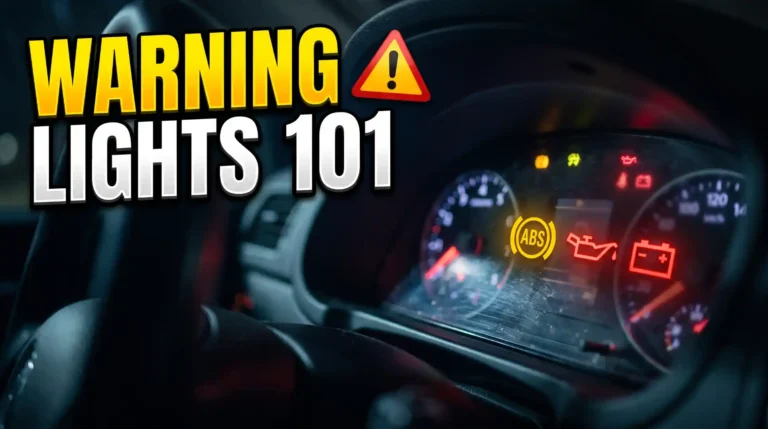
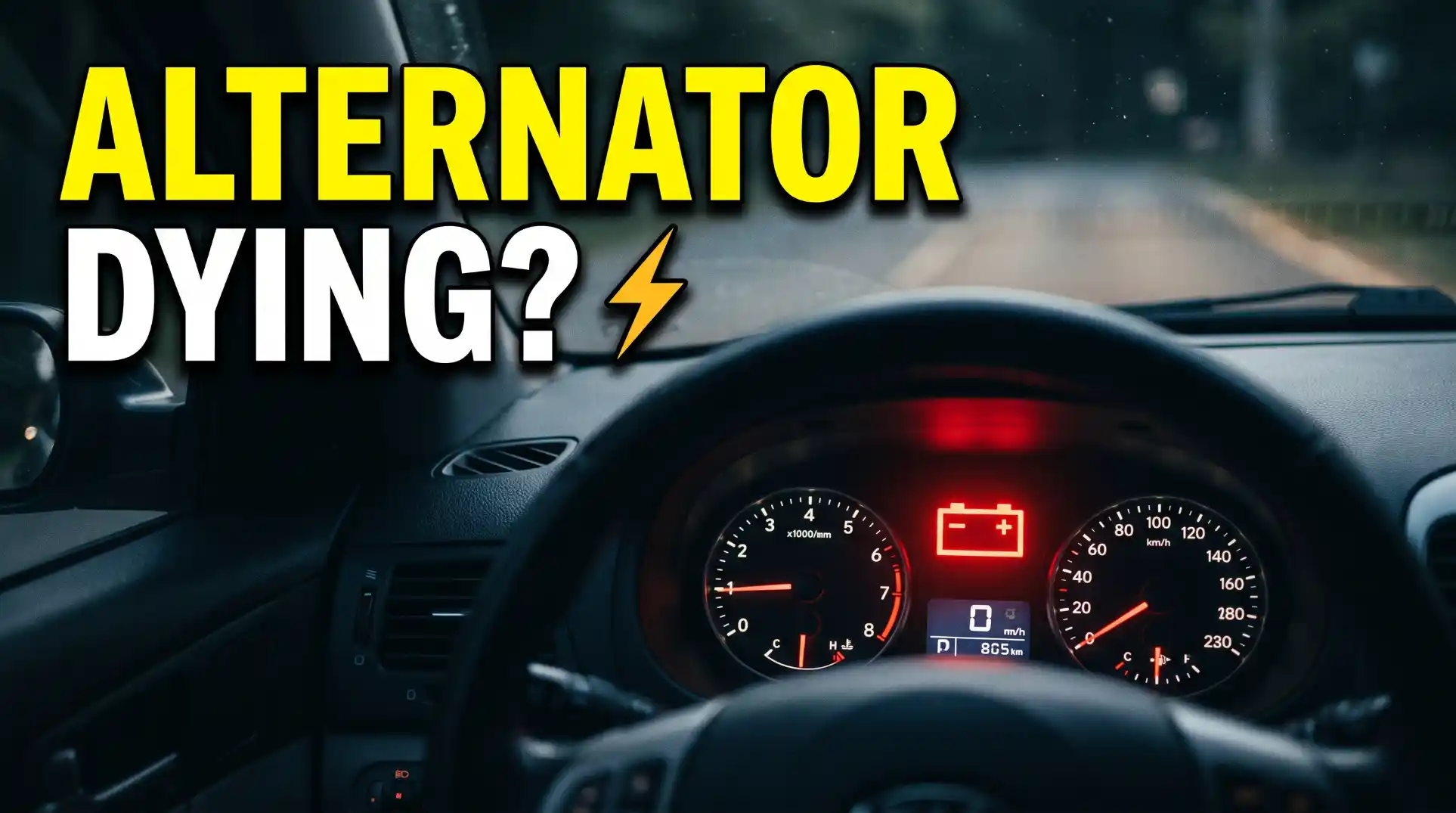
- Battery warning light: often shaped like a battery or labeled ALT or GEN. It means the charging voltage is out of range, not necessarily that the battery is bad.
- Dim or flickering lights: headlights and dash lights that dim at idle and brighten when you rev the engine.
- Dead battery again and again: a new or charged battery that goes flat after driving points to the charging system.
- Electrical glitches: slow power windows, a radio that cuts out, weak heated seats or a flickering screen.
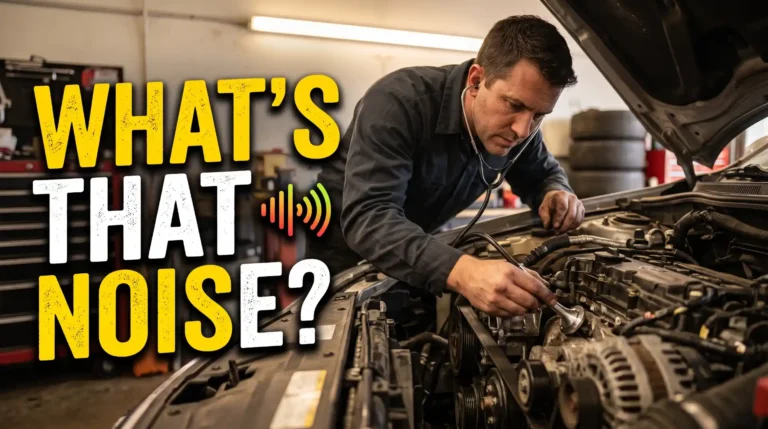
- Whining, growling or grinding noise: worn bearings inside the alternator.
- Burning smell: an overworked alternator or slipping belt can smell like hot wires or burning rubber.
- Stalling or trouble starting: low voltage can make the engine stall while driving or crank slowly.
- Overcharging: a failed voltage regulator can push voltage too high, causing a swollen battery, rotten-egg smell or burned-out bulbs.
Bad Alternator vs Bad Battery: How to Tell
| Clue | More likely the battery | More likely the alternator |
|---|---|---|
| Car won’t start, just clicks | Yes | Possible if the battery was drained by a bad alternator |
| Starts with a jump, then dies soon after | Less likely | Yes |
| Starts with a jump and keeps running, but won’t restart later | Yes | Possible |
| Battery warning light while driving | Less likely | Yes |
| Lights dim while driving and brighten with revs | No | Yes |
| Battery 3–5+ years old, corroded or swollen | Yes | — |
| Whining noise from the engine | No | Yes |
How to Test Your Alternator With a Multimeter
- Set a digital multimeter to DC volts (20 V range).
- With the engine off, touch the red probe to the battery’s positive terminal and the black probe to negative. A fully charged battery reads about 12.6 volts; 12.2 V or below means it is low.
- Start the engine and measure again. A working alternator should raise the reading to roughly 13.5–14.7 volts.
- Turn on the headlights, blower and rear defroster. The voltage should stay above about 13 volts.
- If the reading stays near or below battery voltage, the alternator is not charging. Above about 15 volts suggests overcharging.
No multimeter? Most auto parts stores will test the battery, starter and alternator free of charge, often while the parts are still in the car.
Safety note: Keep hands, hair, loose clothing and tools away from the belts and fan while the engine is running. Do not disconnect the battery with the engine running to “test” the alternator; this old trick can damage modern electronics.
Alternator Replacement Cost
| Item | Typical cost |
|---|---|
| Alternator replacement at a shop (most cars) | $400–$900 |
| Luxury, performance or hard-to-access alternators | $1,000–$1,200+ |
| Remanufactured alternator (part only) | About $150–$400 |
| New alternator (part only) | About $200–$600+ |
| Serpentine belt replacement | About $100–$200 |
| Alternator repair / rebuild (where offered) | Often less than replacement |
Costs depend on the vehicle, part brand and how much must be removed to reach the alternator. A remanufactured unit with a good warranty is a common money saver. Ask the shop to check the battery and belt at the same time, since a weak battery or worn belt can mimic or cause alternator problems.
Can You Drive With a Bad Alternator?
Only briefly. A fully charged battery may power the car for somewhere around 30 minutes to a couple of hours, depending on the battery and electrical load, before the engine dies. If the battery light comes on, turn off the radio, climate control, heated seats and other non-essential electrics and head straight to a repair shop or a safe place. Avoid driving at night, when headlights drain the battery faster.
What Causes Alternators to Fail?
- Normal wear of bearings, brushes and the voltage regulator
- A worn, loose or slipping serpentine belt
- Oil or coolant leaks dripping onto the alternator
- Heavy electrical loads from aftermarket audio or lighting
- Water damage from deep puddles or engine washing
- Jump-starting with reversed cables or voltage spikes
How Long Do Alternators Last?
Most alternators last about 7 to 10 years or 80,000 to 150,000 miles. Heat, frequent short trips, heavy electrical accessories and a worn belt shorten that life. There is no routine replacement interval; replace it when testing shows it is failing. Before paying for a repair, check the NHTSA recall lookup for any open recalls on your VIN.
Alternator FAQ
A battery warning light, dim or flickering lights, a battery that keeps dying, electrical problems, whining noises, a burning smell and stalling are the most common signs.
If the car starts with a jump but dies again soon after, suspect the alternator. If it starts with a jump and runs fine but will not restart later, suspect the battery.
With the engine running, a healthy charging system usually reads about 13.5 to 14.7 volts at the battery.
Usually about $400 to $900 at a shop, and $1,000 or more on some luxury or hard-to-access vehicles.
Usually only a short time, from about 30 minutes to a couple of hours on battery power, depending on the battery charge and electrical load.
Yes. An undercharging alternator repeatedly drains the battery, and an overcharging one can overheat and damage it.
Typically about 7 to 10 years or 80,000 to 150,000 miles.
Many auto parts stores offer free battery, starter and alternator testing. Call ahead to confirm at your local store.