
Bad Transmission Solenoid: Symptoms and Replacement Cost
A bad transmission solenoid typically causes delayed or harsh shifts, a transmission stuck in one gear or limp mode, skipped gears, erratic downshifts and a check engine light with transmission codes. Replacing a single shift solenoid usually costs about $150 to $400, while a full solenoid pack runs about $400 to $800, and more if the solenoids are built into the valve body or require removing the transmission. Dirty or low fluid is the most common reason solenoids fail, so a fluid check is part of any diagnosis.
What Does a Transmission Solenoid Do?
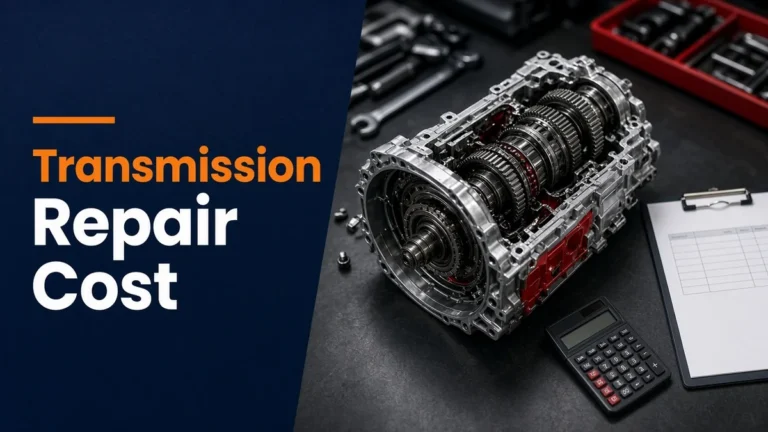
In a modern automatic transmission, the transmission control module decides when to shift. It sends electrical signals to solenoids, small electromagnetic valves mounted in the valve body. Each solenoid opens or closes to route pressurized fluid to the clutches and bands that engage each gear. Other solenoids control line pressure and the torque converter lock-up clutch. If a solenoid sticks, weakens or loses its electrical signal, the transmission cannot shift correctly.
Types of Transmission Solenoids
| Solenoid | Job | Typical symptom when it fails |
|---|---|---|
| Shift solenoid | Engages specific gears | Stuck in gear, skipped gears, harsh shifts |
| Pressure control solenoid | Regulates line pressure | Harsh or soft shifts, slipping |
| Torque converter clutch (TCC) solenoid | Locks the converter at cruising speed | Shudder, higher RPM on the highway, poor fuel economy |
| Solenoid pack | Several solenoids in one unit | Multiple shifting problems at once |
Symptoms of a Bad Transmission Solenoid
- Delayed shifting: the transmission hesitates before changing gears.
- Harsh or erratic shifts: bangs into gear or shifts unpredictably.
- Stuck in gear or limp mode: the car stays in one gear, often second or third, to protect itself.
- Skipping gears: jumps from first to third, for example.
- Trouble downshifting: hangs in a high gear when slowing down.
- Check engine or transmission light: with codes in the P0750 to P0770 range and others; our check engine light guide explains how codes are read.
- Shudder at cruising speed: often from a torque converter clutch solenoid; see our guide to why your car is shaking.
What Causes Solenoids to Fail?
- Dirty or contaminated transmission fluid that clogs the small solenoid passages
- Low fluid, which leads to overheating
- Using the wrong type of fluid
- Electrical problems: damaged wiring, corroded connectors or a failing transmission control module
- Normal wear over many miles
- Debris from worn clutches circulating in the fluid
Because fluid condition matters so much, check it first if your car has a dipstick. Our guide to checking car fluids covers the basics, and any leaks are covered in our fluid leaks guide.
How a Bad Solenoid Is Diagnosed
- A technician scans the transmission control module for trouble codes.
- Live data shows commanded versus actual gear and pressure.
- The solenoid’s electrical resistance and wiring are tested.
- The fluid is inspected for level, color and debris.
- Some solenoids can be commanded on and off with a scan tool to confirm operation.
Codes point to a circuit, not always to a failed part. A wiring fault or low fluid can set a solenoid code, so good diagnosis prevents paying for parts you do not need.
Common Transmission Solenoid Codes
| Code | Generic meaning |
|---|---|
| P0750 | Shift solenoid A malfunction |
| P0755 | Shift solenoid B malfunction |
| P0760 | Shift solenoid C malfunction |
| P0765 | Shift solenoid D malfunction |
| P0770 | Shift solenoid E malfunction |
| P0740 | Torque converter clutch circuit malfunction |
| P0960 | Pressure control solenoid A control circuit open |
Manufacturers label solenoids differently, so solenoid “A” on one transmission is not the same part as on another. Use the code plus your vehicle’s service information, and remember that many of these codes mean a circuit fault, which can be wiring or a connector rather than the solenoid itself.
Bad Solenoid or Bad Transmission?
| Clue | Points to a solenoid | Points to internal wear |
|---|---|---|
| Problem appears suddenly with a specific code | Yes | Less likely |
| Shifting is fine some days and wrong on others | Yes, a sticking solenoid | Possible |
| Engine revs climb without the car speeding up in every gear | Less likely | Yes, slipping clutches |
| Dark, burnt-smelling fluid with metal or friction debris | Possible | Yes |
| Grinding or whining noises | Unlikely | Yes |
Can You Unstick a Shift Solenoid?
Sometimes a solenoid that sticks because of varnish or debris works again after a fluid and filter change, but there is no reliable fix in a bottle. If the code returns or shifting stays erratic after fresh fluid, replace the solenoid or solenoid pack before slipping damages the clutches.
Transmission Solenoid Replacement Cost
| Repair | Typical cost |
|---|---|
| Diagnosis | $100–$200 |
| Single shift solenoid replacement | $150–$400 |
| Solenoid pack replacement | $400–$800 |
| Valve body with integrated solenoids | $600–$1,500 |
| Wiring or connector repair | $100–$400 |
| Transmission control module | $500–$1,500 |
Cost depends on access. On many transmissions, the solenoids are reached by removing the transmission pan, which also allows a filter and fluid change. On others, they are built into the valve body or require removing the transmission, which adds labor.
Limp mode is a warning: if your car is stuck in one gear with a warning light, drive gently to a safe place or a shop, avoid highway speeds and do not tow. Continuing to drive hard in limp mode can cause further damage.
Can You Drive With a Bad Transmission Solenoid?
Short, gentle trips may be possible, especially if the car only shifts a little late. But harsh shifting, slipping and limp mode all put extra heat and strain on the transmission. A solenoid is one of the cheaper transmission repairs; driving on it until clutches are damaged can turn it into a rebuild. Our guide to how automatic transmissions use clutches explains why.
Can You Replace a Solenoid Yourself?
On transmissions where solenoids are accessible after dropping the pan, a confident DIYer can replace them with basic tools, a new pan gasket and the correct fluid. Afterward, some vehicles need the transmission control module to relearn shift points. If the solenoids are inside the valve body or the transmission must come out, this is best left to a transmission shop.
Related guides: car maintenance schedule by mileage, dashboard symbols and meanings and car noises explained.
Transmission Solenoid FAQ
Delayed or harsh shifting, being stuck in one gear or limp mode, skipped gears, trouble downshifting and a check engine light with transmission codes.
Gently and briefly, but it is not recommended long term. Harsh shifting and limp mode can cause further transmission damage.
Usually yes. Solenoid circuit faults commonly set trouble codes and turn on the check engine or transmission warning light.
A protective mode where the transmission stays in one gear, often second or third, when the computer detects a serious fault.
Dirty or low transmission fluid and electrical problems such as damaged wiring, corroded connectors or voltage issues. Normal wear over high mileage also plays a part.