Spongy or Soft Brake Pedal: Causes and Fixes
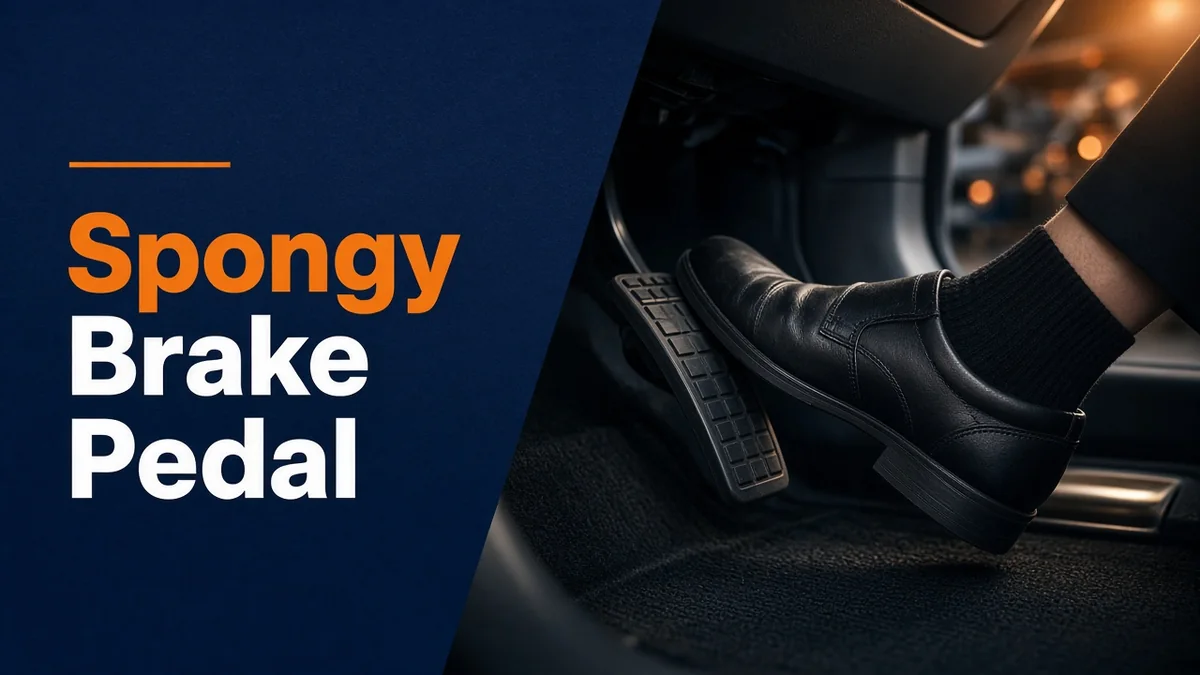
A spongy or soft brake pedal is most often caused by air in the brake lines, low brake fluid from a leak, old moisture-contaminated fluid, a failing master cylinder, or worn or maladjusted rear brakes. A pedal that slowly sinks to the floor while you hold it points strongly to a failing master cylinder or a leak. Because the brakes rely on incompressible fluid to work, a soft pedal means reduced stopping power and should be diagnosed promptly; many fixes, such as bleeding the brakes, cost only about $80 to $150.
Spongy vs Soft vs Hard Brake Pedal
| Pedal feel | What it usually means |
|---|---|
| Spongy (squishy, springy) | Air in the lines or old fluid |
| Soft and low, but holds | Low fluid, worn pads, maladjusted rear drums |
| Sinks slowly to the floor while held | Master cylinder internal leak or an external leak |
| Goes straight to the floor | Major fluid loss or failed master cylinder; dangerous |
| Hard and difficult to press | Brake booster or vacuum problem, not a spongy-pedal issue |
Common Causes of a Spongy Brake Pedal
Air in the Brake Lines
Brake fluid does not compress, but air does. Air can enter the system after brake work, when the reservoir runs low, or through a leak. Pressing the pedal then squeezes the air bubbles before it moves the pads, which feels spongy. Bleeding the brakes removes the air.
Low Brake Fluid or a Leak
Low fluid lets air in and reduces pressure. Leaks can come from brake lines, rubber hoses, caliper seals, rear wheel cylinders or the master cylinder. Look for fluid near the wheels and on the inside of the tires. Rusted steel lines are a common source in snowy states; see our guide to preventing rust.
Old, Moisture-Contaminated Brake Fluid
Brake fluid absorbs water over time. Water lowers the boiling point, and during heavy braking it can form vapor bubbles that make the pedal go soft, especially on long descents. Replacing the fluid every two to three years prevents this.
Failing Master Cylinder
The master cylinder converts pedal force into hydraulic pressure. Worn internal seals let fluid bypass inside the unit, so the pedal slowly sinks with no visible leak. This needs replacement.
Worn or Maladjusted Brakes
Very worn pads, rear drum brakes out of adjustment, or a caliper that is not retracting properly can all add pedal travel and make the pedal feel low.
Brake Hose Expansion
Old rubber brake hoses can balloon slightly under pressure, absorbing some of the force and softening the pedal.
How to Diagnose a Spongy Pedal
- Check the fluid level: in the reservoir on top of the master cylinder. Our guide to checking car fluids shows where it is.
- Look at the color: dark fluid is old and may be contaminated.
- Look for leaks: under the car and inside each wheel.
- Pump test: with the engine off, pump the pedal several times. If it firms up, air or maladjusted brakes are likely.
- Hold test: with the engine running, press and hold the pedal firmly. If it slowly sinks, suspect the master cylinder or a leak.
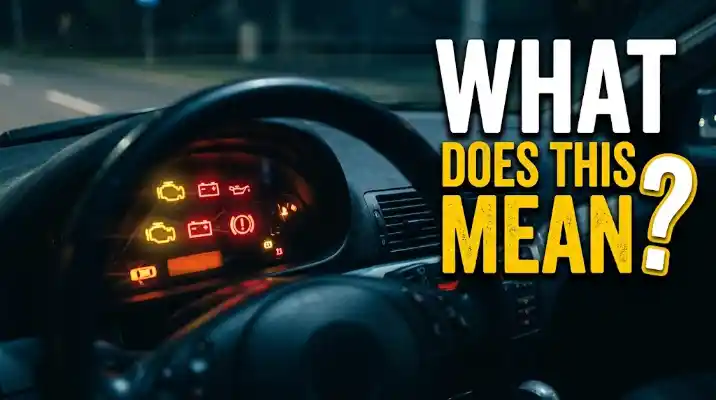
- Check warning lights: the red brake light or ABS light; see our dashboard symbols guide.
If the pedal goes to the floor while driving: pump the pedal quickly, shift to a lower gear, apply the parking brake gradually and steer to a safe place. Do not drive a car whose brake pedal sinks to the floor; have it towed.
Our guide to towing costs explains what a tow to the repair shop typically costs.
Spongy Brakes With No Leak, or Still Spongy After Bleeding
A soft pedal with a full reservoir and no wet spots usually comes down to one of these:
- Master cylinder bypassing internally: fluid leaks past worn seals inside the unit, so nothing drips but the pedal slowly sinks under steady pressure.
- Air trapped in the ABS unit: on many cars, air that got into the ABS pump or valves can only be purged with a scan tool that cycles the ABS module during bleeding. A normal bleed leaves the pedal soft.
- Wrong bleeding order or a rushed bleed: most cars bleed from the wheel farthest from the master cylinder to the closest, and one quick pass rarely gets every bubble.
- Caliper or slide-pin problems: seized slide pins, a flexing caliper bracket or pads not seated in the bracket add pedal travel.
- Rear drums out of adjustment: the self-adjusters can stick, so the rear shoes need extra pedal travel before they grab.
- Swollen rubber hoses: old hoses expand under pressure even without leaking.
If the pedal is firm with the engine off but drops lower once the engine starts, that is normal: the brake booster adds assist when the engine runs. What is not normal is a pedal that keeps sinking while you hold it, which points back to the master cylinder.
How to Fix a Spongy Brake Pedal
| Cause | Fix | Typical cost |
|---|---|---|
| Air in the lines | Bleed the brakes | $80–$150 |
| Old fluid | Brake fluid flush | $80–$150 |
| Leaking line or hose | Replace the line or hose and bleed | $150–$600 |
| Leaking caliper or wheel cylinder | Replace and bleed | $150–$600 per wheel |
| Failing master cylinder | Replace and bleed | $250–$650 |
| Worn pads or maladjusted drums | Replace pads or adjust shoes | $150–$300 per axle |
Can You Drive With a Spongy Brake Pedal?
If the pedal is only slightly soft and still stops the car firmly, drive carefully and get it checked soon. If it gets worse, sinks, or needs pumping to stop, stop driving. Braking performance can drop suddenly when a leak worsens or fluid boils.
How to Prevent a Soft Brake Pedal
- Replace brake fluid every two to three years or as your manual specifies
- Check the fluid level monthly
- Have brakes inspected at every tire rotation
- Replace worn brake hoses and rusted lines before they fail
- Use only the fluid type on the reservoir cap
Brake inspections and fluid changes appear in our car maintenance schedule by mileage, and brakes are checked in many state inspections.
Related guides: car noises explained, why your car is shaking and what to do after a car accident.
Spongy Brake Pedal FAQ
The most common cause is air in the brake lines. Low fluid, old fluid, a failing master cylinder, leaks and worn brakes can also cause it.
Usually a failing master cylinder or a significant fluid leak. It is dangerous, so do not drive the car until it is repaired.
Only carefully and briefly if the car still stops firmly. If the pedal sinks or needs pumping, stop driving and have it towed.
Yes. Low fluid can let air into the system and reduce hydraulic pressure.
Often air entered during the job, the pistons were not pumped back out, or the pads need bedding in. Pump the pedal and have the brakes bled if it stays soft.
The most common causes are a master cylinder leaking internally, air trapped in the ABS unit, old moisture-filled fluid, worn or swollen hoses, or rear drum brakes out of adjustment. A pedal that sinks while held points to the master cylinder.