Bumper Repair Cost: Fix, Reattach or Replace
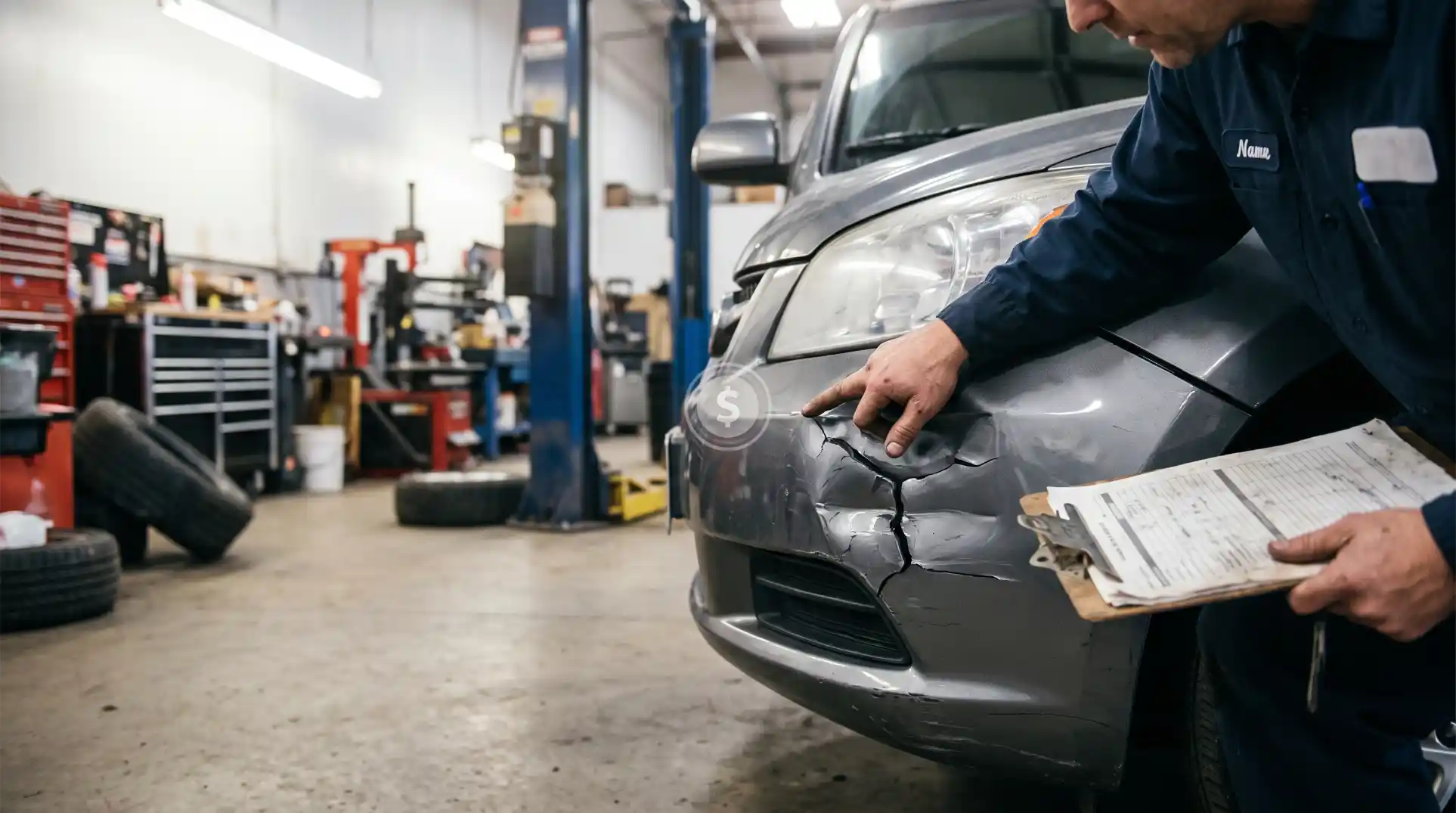
Bumper repair cost varies more than almost any other body job. Fixing a car bumper usually costs about $100–$300 to pop a loose bumper back in, $150–$500 for scratches and scuffs, $450–$1,400 for a crack or dent in a plastic bumper cover, and $800–$2,500 to replace and paint a bumper cover. Cars with parking sensors, radar or cameras in the bumper can cost $3,000 or more once sensor calibration is included. Repair is usually cheaper when the damage is cosmetic; replacement makes sense when the plastic is torn, mounting tabs are broken, or parts behind the cover are damaged.
Bumper Repair Cost by Type of Damage
| Damage | Typical cost | Usual fix |
|---|---|---|
| Light scuffs and paint transfer | About $150–$300 | Polish, touch-up or spot refinish |
| Bumper popped out or hanging loose (tabs intact) | About $100–$300 | Reseat the cover, replace broken clips or fasteners |
| Deep scratches through paint | About $300–$500 | Sand, fill, and repaint the area |
| Dent in plastic bumper cover | About $450–$1,000 | Heat and reshape, then refinish |
| Crack or small tear in the cover | About $500–$1,400 | Plastic welding or repair, then refinish |
| Replace bumper cover (painted to match) | About $800–$2,500 | New or aftermarket cover, paint and blend |
| Replacement with sensors and calibration | $1,500–$3,000+ | Cover, brackets, sensors and ADAS calibration |
Prices vary by vehicle, paint color (tri-coat and pearl paints cost more), region and whether OEM or aftermarket parts are used.
How Much Does It Cost to Pop a Bumper Back In?
If a curb, parking block or low-speed bump knocked the bumper cover out of place but the plastic is not torn, a body shop can often snap it back in and replace the broken clips for about $100 to $300. That is mostly labor, often around an hour, plus a few dollars in clips and screws. The price climbs when the mounting tabs that hold the cover to the car have snapped off, because the shop has to plastic-weld new tabs or install a repair bracket.
| Situation | Typical cost | What the shop does |
|---|---|---|
| Cover popped out, clips and tabs intact | About $100–$150 | Reseat the cover and refasten it |
| Cover loose or falling off, some clips broken | About $150–$300 | Replace clips, screws and push pins, then reattach |
| Mounting tabs broken | About $200–$500 | Weld or bond new tabs, or fit a tab repair kit |
| Bracket or bumper retainer broken | About $250–$600 | Replace the side or center brackets, then reattach |
| Cover torn, tabs missing, or sensors hit | $800 and up | Replace and paint the cover, recalibrate sensors if needed |
These are typical independent-shop estimates; dealer body shops and luxury models cost more. Ask the shop to check the brackets and energy absorber behind the cover, because a bumper that “just popped out” sometimes hides a cracked retainer.
Can You Pop a Bumper Back In Yourself?
Often, yes, if nothing is broken. Line up the edge of the cover with the fender, then press firmly along the seam until the clips click into place, working from the wheel well toward the center. A replacement clip kit for most cars costs about $10 to $25 at an auto parts store. If the cover will not stay put, the tabs are probably broken and a shop repair is the safer fix.
Do not drive with a bumper that is dragging or flapping in the wind. Tie it up temporarily with zip ties or tape for a short, slow trip, or arrange a tow if it cannot be secured, since a bumper coming off at speed can hit other vehicles.
Repair or Replace the Bumper?
| Repair is usually fine when | Replacement is usually better when |
|---|---|
| Damage is cosmetic (scuffs, scratches, small dents) | Plastic is torn, punctured or badly cracked |
| Mounting tabs and clips are intact | Mounting tabs are broken or the bumper sags |
| Foam absorber and reinforcement bar are undamaged | Absorber, reinforcement bar or brackets are damaged |
| No sensors or cameras are affected | Sensors, cameras or radar are damaged or misaligned |
| Repair costs well below replacement | Repair costs near 70–80% of replacement |
Front vs Rear Bumper Repair Cost
Front bumpers usually cost more to fix than rear bumpers. The front cover holds more parts, including the grille, fog lights, air dams, the license plate bracket and, on many newer cars, the radar sensor for adaptive cruise and automatic emergency braking. Rear bumpers tend to be simpler, but they often carry parking sensors, a backup camera and blind-spot radar in the corners.
| Factor | Front bumper | Rear bumper |
|---|---|---|
| Common parts in or behind it | Grille, fog lights, radar, parking sensors, air deflector | Parking sensors, backup camera, blind-spot radar, reflectors |
| Typical cover replacement | Often the higher end of the range | Often a few hundred dollars less |
| Calibration risk | Higher (forward radar and camera systems) | Moderate (corner radar, parking sensors) |
| Common damage | Curbs, parking blocks, road debris | Backing into objects, rear-end collisions |
Steel and Chrome Truck Bumpers
Older pickups and many work trucks use steel bumpers instead of plastic covers. A bent steel bumper can sometimes be straightened, but chrome finishes usually cannot be repaired invisibly, so most shops replace the whole bumper. Aftermarket steel bumpers are widely available, and prices depend heavily on the truck and the style you choose.
What Is Behind the Bumper Cover
The painted part you see is the bumper cover, usually made of plastic. Behind it are a foam or plastic energy absorber, a metal or composite reinforcement bar, and brackets. Many modern cars also mount parking sensors, blind-spot radar, adaptive cruise radar and cameras in or behind the bumper. A small-looking bump can damage these hidden parts, which is why a proper inspection matters.
Why ADAS Calibration Adds Cost
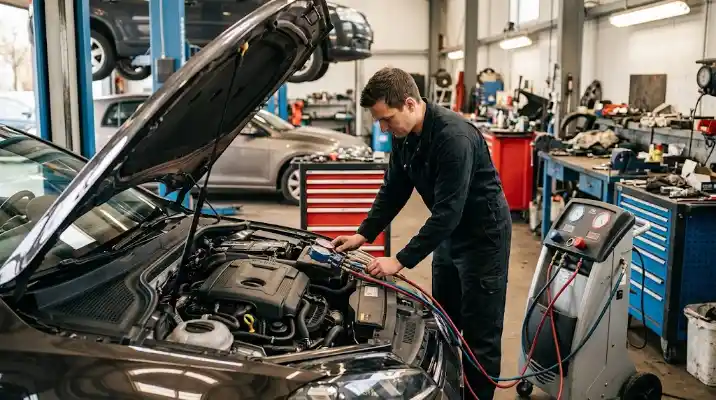
Advanced driver-assistance systems (ADAS) such as automatic emergency braking, adaptive cruise control and blind-spot monitoring rely on sensors that must point in exactly the right direction. When the bumper is removed or replaced, manufacturers often require the sensors to be recalibrated. Calibration commonly costs a few hundred dollars per system, and a car with several affected sensors can add $1,000 or more to the bill. Skipping it can make safety systems work incorrectly.
Can You Fix a Bumper Yourself?
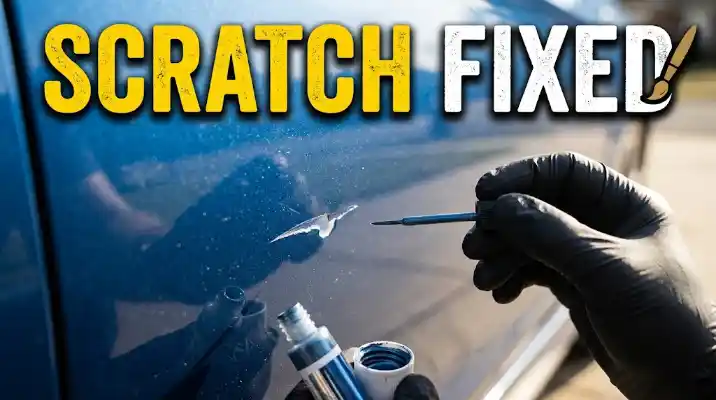
- Scuffs: often removable with polishing compound or a paint transfer remover.
- Small dents in plastic: warm with hot water or a hair dryer and push out from behind.
- Small scratches: touch-up paint matched to your paint code.
- Cracks, tears, sensor areas: best left to a body shop.
Safety note: After any bumper impact on a car with driver-assistance features, watch for warning lights or odd behavior from parking sensors, lane-keeping or emergency braking. Have the car inspected if anything seems off, since misaligned sensors can reduce safety.
What a Bumper Repair Estimate Includes
Two quotes for the same damage can look very different because shops price these items differently. Ask for an itemized estimate so you can compare line by line.
- Parts: the bumper cover plus any clips, brackets, absorbers or trim, priced as OEM, certified aftermarket or used.
- Body labor: hours to remove, repair or install the cover, at the shop’s hourly rate.
- Paint labor and materials: prep, primer, base coat and clear coat, often the biggest single line on a bumper job.
- Blending: fading new paint into the fenders or quarter panels so the color matches.
- Sensor transfer and calibration: moving sensors to a new cover and recalibrating driver-assistance systems.
- Shop supplies and disposal: small fees for hardware, cleaners and hazardous waste.
Why the Price Can Go Up After the Shop Starts
Shops write the first estimate from what they can see. Once the cover comes off, they may find a cracked absorber, bent reinforcement bar or broken bracket. They then write a “supplement” for the extra work. This is normal, and with an insurance claim the shop sends the supplement to the insurer for approval.
How Long Does Bumper Repair Take?
A scuff or small dent can often be fixed in a few hours to a day, and mobile repair techs can do many of these in your driveway. A cracked cover that needs plastic repair and paint usually takes one to three days. A full replacement typically takes about three to seven days, depending on parts availability, paint cure time and whether sensors need calibration.
Should You File an Insurance Claim?
Collision coverage typically pays for bumper damage you cause, minus your deductible, and the other driver’s liability insurance pays if they were at fault. If the damage came from a collision with another car, follow the usual steps after a car accident before you take it to a shop. For a small scuff that costs less than or close to your deductible, paying out of pocket is usually better and avoids a claim on your record. For sensor-heavy replacements, a claim is often worth it.
Ways to Save on Bumper Repair
- Get two or three written estimates.
- Ask about mobile bumper repair for scuffs and small dents.
- Consider certified aftermarket or used OEM covers where appropriate.
- Ask whether plastic welding can save a cracked cover.
- Confirm whether calibration is included in the quote.
Bumper Repair FAQ
Many new cars have sensors, radar and cameras in or behind the bumper, and these often need calibration after the bumper is removed or replaced.
Many small cracks can be plastic-welded and refinished. Large cracks, tears and broken mounting tabs usually call for replacement.
Often yes if it is secure and not hanging, but have it checked, especially if parking sensors or safety systems are affected.
A small puncture in a plastic cover can often be plastic-welded, filled and refinished for about $300 to $700. Larger holes, or holes near sensors or mounting points, usually mean replacing the cover.
A good shop mixes paint to your factory paint code and blends it into the neighboring panels, so the match should be close. Pearl and tri-coat colors are harder to match and cost more.