Transmission Fluid Color Chart: What Red, Brown and Black Mean
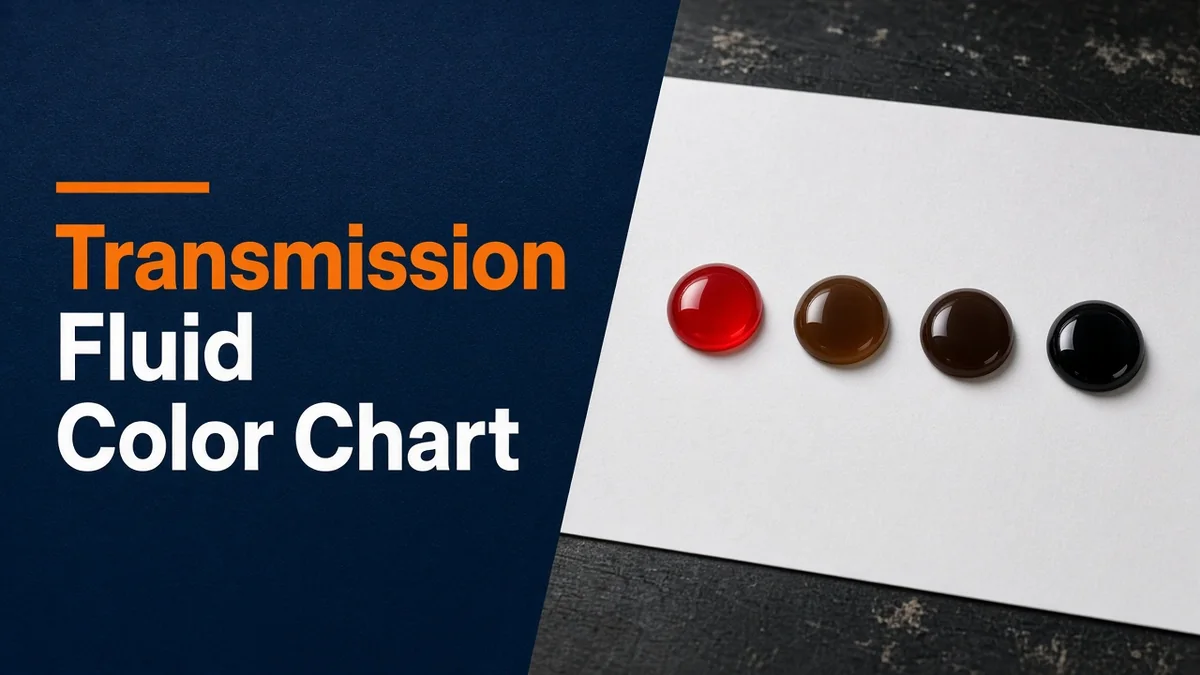
Healthy automatic transmission fluid is bright red and translucent, sometimes with a pinkish tint, and smells mildly oily. As it ages it turns darker red, then light brown; brown fluid is due for a change. Dark brown or black fluid, especially with a burnt smell, means the fluid is badly worn and the transmission may be overheating. A milky, cloudy or strawberry-milkshake pink look means water or coolant has mixed in, which needs immediate attention. Some newer and CVT fluids start out green, blue, amber or clear, so compare against what is normal for your fluid.
Transmission Fluid Color Chart
| Color and appearance | Smell | What it means | What to do |
|---|---|---|---|
| Bright red, translucent | Mild, oily | Fresh, healthy fluid | Nothing; keep to the service schedule |
| Darker red | Mild | Normal aging from heat cycles | Check the service interval |
| Light brown | Mild to slightly burnt | Oxidation has started; protection is dropping | Plan a fluid change soon |
| Dark brown | Burnt | Worn, overheated fluid | Change the fluid and have the transmission checked |
| Black, possibly with particles | Strongly burnt | Severely degraded; possible internal wear | Have a transmission specialist inspect it |
| Milky, cloudy or light pink and foamy | Varies | Coolant or water contamination, often from a cooler leak | Stop driving long distances; repair immediately |
| Foamy with bubbles | Normal | Overfilled, wrong fluid or air in the system | Check the level and fluid type |
The chart applies to traditional red automatic transmission fluid. CVT fluids and some newer specifications are a different color when new, so check what your fluid is supposed to look like before judging it.
Why Transmission Fluid Is Dyed Red
Most automatic transmission fluid starts out clear or amber, like other oils. Manufacturers add red dye so it is easy to tell apart from engine oil, coolant and other fluids when checking levels or tracking down a leak. Some fluids, including certain CVT and specialty fluids, are green, blue, amber or nearly clear from the factory, so always compare with what new fluid of the same type looks like.
How to Check Transmission Fluid Color
- Warm the car up with a short drive and park on level ground with the parking brake on.
- With the engine running in Park (unless your manual says otherwise), pull the transmission dipstick.
- Wipe a drop onto a clean white paper towel.
- Look at the color, check for particles, and smell it.
- Check the level on the dipstick at the same time.
Many newer cars have sealed transmissions without a dipstick. In that case, a shop can check the fluid through a fill plug, or you can judge the color from any drips under the car. Our guide to checking car fluids explains which fluids you can check at home.
What Each Color Means in More Detail
Red and Pink
New automatic transmission fluid is dyed red so it is easy to spot and tell apart from other fluids. A clear red to slightly pinkish color is normal. The concern is not pink itself but pink that looks cloudy, milky or foamy, which points to contamination.
Brown
Heat gradually oxidizes transmission fluid. The additives that keep it slippery, cool and clean wear out, and the color darkens toward brown. Brown fluid still works, but it is protecting less than it should. A fluid change is usually the answer.
Dark Brown and Black
Very dark fluid that smells burnt has been overheated. The cause may be towing, low fluid, a slipping clutch or a failing torque converter. Changing the fluid alone may not fix an underlying problem, so ask for an inspection. If you notice slipping or harsh shifts as well, have it looked at promptly.
Milky or Foamy
A milky look usually means coolant or water has entered the fluid, most often through a leaking transmission cooler inside the radiator. Coolant quickly damages clutch materials and seals. This needs repair right away, often including a new radiator or cooler and a full fluid flush.
Milky fluid is urgent: coolant in transmission fluid can destroy a transmission within a short distance. If you see milky or strawberry-milkshake-colored fluid, avoid driving the car beyond getting it to a shop, and have both the cooling system and transmission inspected.
The Paper Towel Test and Other Condition Checks
- Paper towel test: wipe the dipstick on a clean white paper towel. Healthy fluid spreads out and stays reddish. Dark brown or black spots, or a sticky ring, suggest oxidized fluid.
- Look for particles: glittery metal flakes or dark specks can indicate internal wear.
- Check for bubbles or foam: foaming can mean overfilling, the wrong fluid or air getting into the system.
- Rub between your fingers: fresh fluid feels slick; gritty fluid is contaminated.
- Smell it: a sharp burnt-toast smell means the fluid has overheated.
Transmission Fluid Smell
- Mild, slightly sweet or oily: normal
- Burnt toast: overheated fluid or slipping clutches
- Sharp or chemical: contamination, sometimes from the wrong fluid
Identifying Transmission Fluid Leaks by Color
Red or brown spots under the middle or front of the car are usually transmission fluid, although power steering fluid and some coolants can be red or pink too. Transmission fluid feels thin and oily, while coolant feels watery and smells sweet. Our guide to car oil and fluid leaks compares all the common fluids.
What to Do Based on Fluid Color
| Color | Condition | Action |
|---|---|---|
| Bright red, clear | Healthy | No action; follow your normal schedule |
| Darker red | Aging but usable | Plan a fluid change at the next service |
| Light brown | Oxidizing | Change the fluid soon |
| Dark brown or black, burnt smell | Overheated or worn | Have the transmission inspected before a flush |
| Pink and milky | Coolant contamination | Stop driving and get it checked immediately |
| Foamy or bubbly | Overfilled, wrong fluid or air leak | Check the level and fluid type |
How Often Should Transmission Fluid Be Changed?
Many automatics need new fluid every 30,000 to 60,000 miles, and sooner with towing or severe driving, while some manufacturers describe the fluid as long-life. Color is a helpful clue between services, but follow the interval in your owner’s manual; our car maintenance schedule by mileage shows where transmission service typically falls. Use only the fluid type your transmission specifies.
Other Fluid Colors to Know
| Fluid | Typical color |
|---|---|
| Engine oil | Amber when new, dark brown to black when used |
| Coolant | Green, orange, pink, yellow or blue |
| Brake fluid | Clear to light amber |
| Power steering fluid | Red, amber or clear |
| Windshield washer fluid | Usually blue |
If you are unsure which fluid you are looking at, check the location and the smell, or have a shop confirm it. Warning lights that come on alongside fluid problems are covered in our guide to dashboard symbols and meanings.
Related guides: how to check car oil, car noises explained and do automatic cars have a clutch.
Transmission Fluid Color FAQ
Healthy automatic transmission fluid is bright red and translucent. Some newer and CVT fluids are a different color when new.
Black, burnt-smelling fluid is badly degraded and may indicate overheating or internal wear. Have the transmission inspected.
Milky pink fluid usually means coolant or water contamination, often from a leaking cooler in the radiator. It needs immediate repair.
Clear pinkish-red fluid is normal. Pink that looks cloudy, milky or foamy is a sign of contamination.
Partly. Look at the color of any leaks, or have a shop check the fluid through the fill plug on sealed transmissions.
Most new automatic transmission fluid is bright red and transparent. Some CVT and specialty fluids are green, blue or amber, so compare with fresh fluid of the same type.