Should You Warm Up Your Car in Winter?
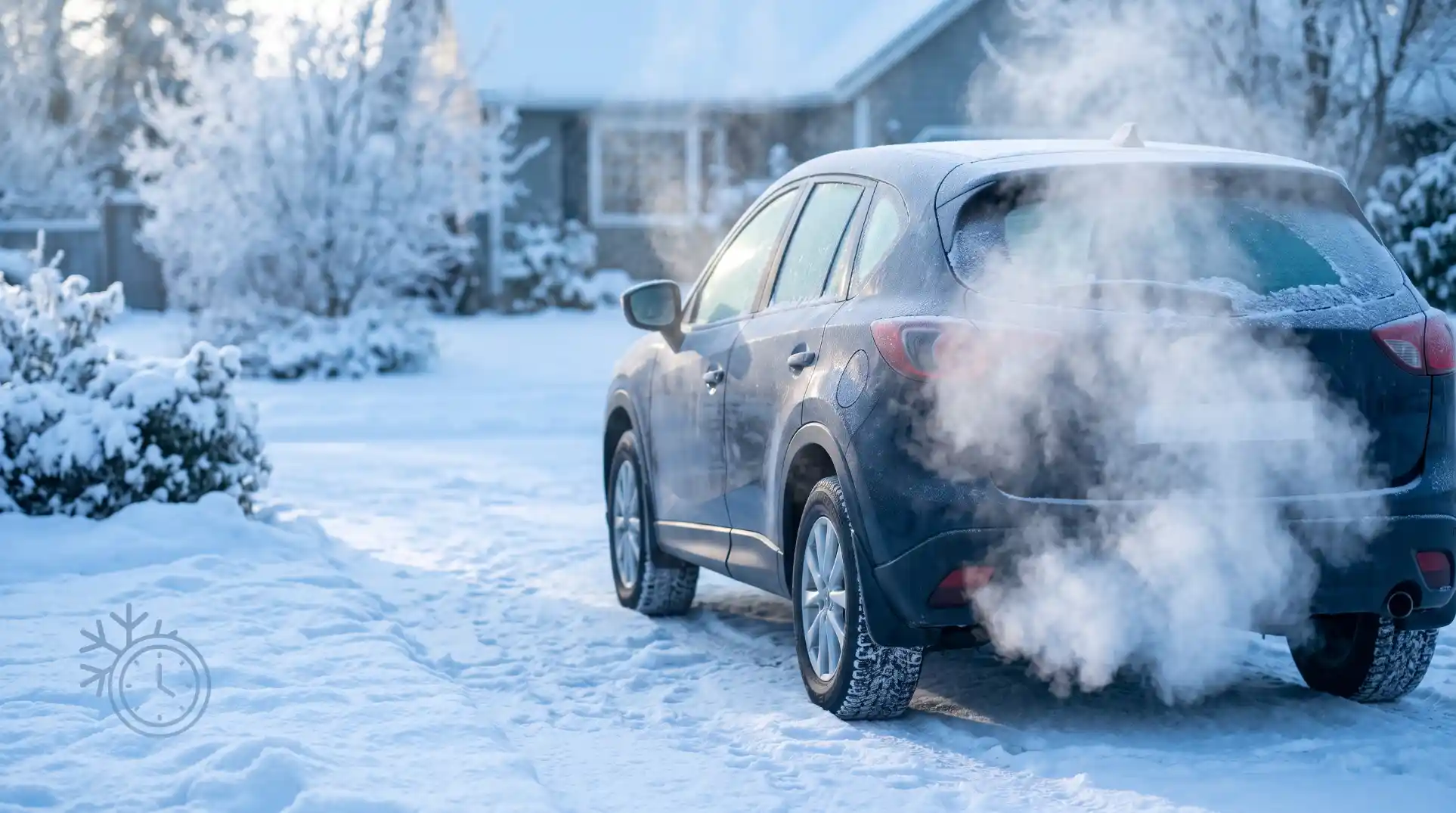
Should you warm up your car in winter for 10 minutes like people used to? For most modern cars, no, you do not need to warm up the engine for long in winter. Start the car, let it run for about 30 seconds while you buckle up, then drive gently for the first few miles. The EPA and the US Department of Energy advise against idling longer than about 30 seconds, because driving warms the engine faster than idling and long idles waste fuel. The exceptions: you do need to clear all snow and ice from the windows before driving, and some older carbureted cars, diesels in extreme cold, and your owner’s manual may call for a longer warm-up.
Key Takeaways
- Modern fuel-injected cars: about 30 seconds, then drive gently.
- Why: the engine warms up faster under light load than at idle, and long idles waste fuel.
- Always clear windows, mirrors, lights and the roof before driving.
- Never idle in a closed garage: carbon monoxide can kill.
- EVs: precondition while plugged in to warm the battery and cabin.
Why Long Warm-Ups Are No Longer Needed
Older cars with carburetors needed several minutes of idling so fuel would vaporize properly in a cold engine. Since the 1980s and 1990s, US cars have used electronic fuel injection, with sensors that adjust the fuel mixture for temperature automatically. Modern engines are ready to drive within seconds, and oil circulates quickly, especially with the multigrade synthetic oils most cars use today.
Is Idling Bad for Your Engine?
- Slower warm-up: an idling engine produces little heat, so it takes much longer to reach operating temperature than when driving.
- Wasted fuel: idling burns fuel while you go nowhere.
- Fuel dilution: a cold engine runs a richer mixture, and extended cold idling can let unburned fuel wash oil off cylinder walls and dilute the oil.
- More emissions: the catalytic converter works poorly until it is hot.
How to Warm Up Your Car the Right Way
- Start the engine and let it run about 30 seconds while you fasten your seat belt and set the controls.
- Clear the glass: set the defroster to the windshield, turn on the rear defroster, and use the AC button to dry the air.
- Drive gently: avoid hard acceleration and high revs for the first 5–10 minutes.
- Watch the temperature gauge rise toward normal as you drive.
- Let the heater work once the engine warms; heat comes from engine coolant, so it takes a few minutes.
When a Longer Warm-Up Makes Sense
- Your owner’s manual says so: always follow manufacturer guidance.
- Windows are iced over: you must be able to see; idle only as long as needed to defrost, or use a scraper.
- Extreme cold: in subzero temperatures, a minute or two, or an engine block heater, can help.
- Older carbureted or classic cars: may need a few minutes to run smoothly.
- Some diesels: may benefit from glow plug cycles and a short warm-up in severe cold.
Block Heaters and Remote Start
In very cold climates, an engine block heater plugged in for a couple of hours before driving warms the coolant and oil, making cold starts easier and helping the heater work sooner. Remote start is convenient for defrosting, but idling for 10–15 minutes wastes fuel. Check local rules, since some cities and states limit idling or leaving a running car unattended.
Safety note: Never warm up a car in an attached or closed garage, even with the door open, because carbon monoxide can build up quickly and is deadly. Clear snow from the tailpipe before starting, and never leave a running car unattended with the keys inside, which invites theft.
Electric Cars: Preconditioning Instead of Warming Up
EVs have no engine to warm up, but cold weather reduces range and slows charging. The US Department of Energy recommends preconditioning: using the car’s app or schedule to heat the cabin and battery while the car is still plugged in, so the energy comes from the grid rather than the battery. Seat and steering-wheel heaters use less energy than heating the whole cabin.
Winter Driving Checklist
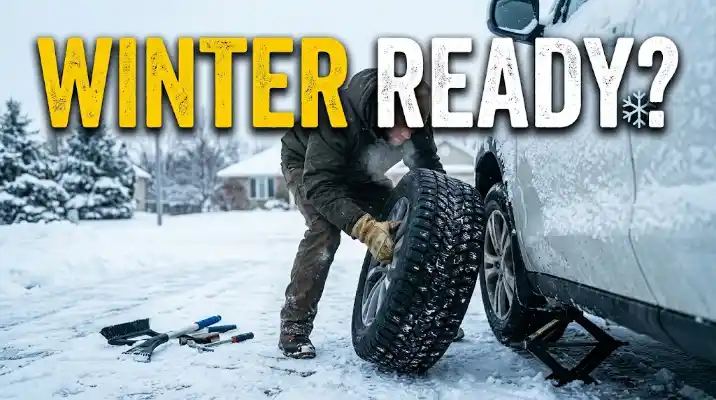
- Clear all snow and ice from windows, mirrors, lights, sensors and the roof.
- Check tire pressure; it drops as temperatures fall.
- Keep the fuel tank at least half full in winter.
- Use winter-rated washer fluid.
- Keep an ice scraper, blanket, flashlight and phone charger in the car.
Winter Warm-Up FAQ
For most modern fuel-injected cars, only about 30 seconds is needed. Then drive gently until the engine reaches normal temperature.
About 30 seconds for most modern cars, longer only if needed to clear the windows, in extreme cold, or if your owner’s manual recommends it.
Long idling wastes fuel, warms the engine slowly and can dilute the oil with unburned fuel. Driving gently warms it faster.
Not for modern cars. Gentle driving after a short start-up is better for warming the engine than long idling.
No. Carbon monoxide can build up quickly in a garage, even with the door open. Always start and warm the car outside.
EVs do not need engine warm-up, but preconditioning the battery and cabin while plugged in improves comfort, range and charging speed.
Some diesels benefit from a short warm-up in severe cold. Follow your owner’s manual.