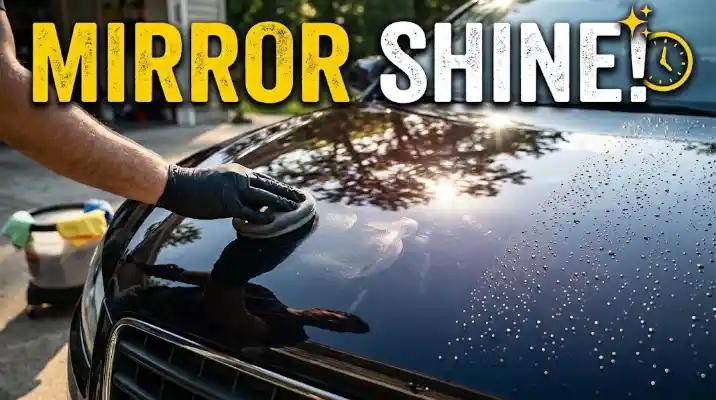
How to Wax a Car (And How Often You Should)
Here is how to wax a car by hand for a deep, lasting shine. To wax a car, wash and dry it, remove bonded contamination with a clay bar, then apply a thin, even layer of wax one panel at a time with a foam applicator, let it haze for about 5 to 15 minutes, and buff it off with a clean microfiber towel. Work in the shade on cool paint. Traditional carnauba wax lasts about 6 to 8 weeks, synthetic sealants about 4 to 6 months, so most cars should be waxed every 2 to 6 months depending on the product.
This guide covers the full step-by-step process, the difference between carnauba, sealants and ceramic sprays, how often to wax, and the mistakes that leave streaks or damage trim.
Key Takeaways
- Prep is everything: wash, dry and clay the paint before waxing.
- Thin coats work best: too much wax is harder to remove and does not protect better.
- Shade and cool paint: wax applied in direct sun dries too fast and streaks.
- How often: carnauba every 6–8 weeks, sealants every 4–6 months.
- Water bead test: when water stops beading and sheets flat, it is time to rewax.
What Car Wax Does
Car wax adds a thin, sacrificial layer on top of your clear coat. It gives the paint a deeper gloss, makes water bead and roll off, helps dirt release during washes, and provides some protection against UV rays, bird droppings, tree sap and road grime. It does not fix scratches or swirl marks; that is the job of polish.
Wax vs Polish
Polish is mildly abrasive and removes a tiny layer of clear coat to smooth out swirls, light scratches and dullness. Wax is non-abrasive and simply protects and adds shine. If your paint looks dull or swirled, polish first, then wax to protect the result.
Types of Car Wax and Protection Compared
| Product | Typical durability | Pros | Cons |
|---|---|---|---|
| Carnauba paste or liquid wax | About 6–8 weeks | Warm, deep gloss; easy to use | Short-lived, especially in heat |
| Synthetic paint sealant | About 4–6 months | Long-lasting, strong protection, sharp shine | Slightly less “depth” than carnauba |
| Spray wax or quick detailer | About 2–4 weeks | Fast, great for top-ups between waxes | Short-lived |
| Ceramic spray sealant | About 3–12 months | Slick, strong water beading, easy to apply | Needs very clean paint; some are sensitive to application |
| Professional ceramic coating | About 2–5+ years | Longest protection, easiest washing | Expensive; requires paint correction and professional prep |
For most daily drivers, a synthetic sealant or ceramic spray gives the best balance of protection and effort. Carnauba is great if you enjoy waxing and want maximum warmth and depth on show paint.
What You Need
- pH-neutral car shampoo, two buckets and a wash mitt
- Microfiber drying towels
- Clay bar or clay mitt with clay lubricant
- Car wax or sealant of your choice
- Foam or microfiber applicator pads
- Several clean, plush microfiber buffing towels
- Optional: painter’s tape to protect textured trim, and a dual-action polisher
How to Wax a Car by Hand, Step by Step
- Wash the car thoroughly using the two-bucket method, then dry it completely with clean microfiber towels.
- Park in the shade and make sure the paint is cool to the touch. Waxing on hot panels causes streaks and makes buffing hard.
- Clay the paint: spray lubricant on a small section, glide the clay bar in straight lines until it moves smoothly, wipe off, and move on. This removes bonded contamination that washing leaves behind, so the wax bonds better and looks glossier.
- Polish if needed: if the paint is dull or swirled, polish before waxing.
- Tape off trim if you are worried about wax staining textured black plastic.
- Apply a thin coat: put a small amount of wax on the applicator and spread it in overlapping straight lines or small circles, one panel at a time. If you can see thick white wax, you used too much.
- Let it haze: follow the product directions, usually 5–15 minutes. The swipe test tells you it is ready: wipe a finger across it; if it smears, wait; if it wipes clean and leaves a powder, it is ready.
- Buff it off with a clean microfiber towel, turning to a fresh side often. Use light pressure and finish with a second clean towel for extra gloss.
- Check for residue around badges, trim and panel gaps and remove it with a soft brush or detailing spray.
- Let it cure: some sealants need 12–24 hours before getting wet. Avoid washing for at least a day.
Using a Machine Polisher
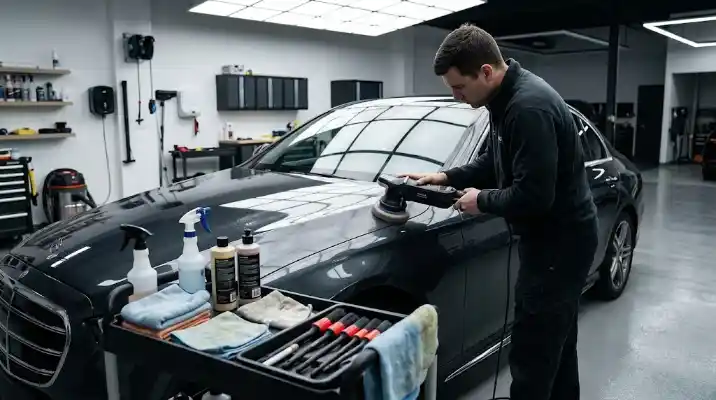
A dual-action polisher with a soft finishing pad on low speed spreads wax faster and more evenly than hand application, especially on large vehicles. Remove the wax by hand with microfiber towels.
How Often Should You Wax Your Car?
| Product | How often to reapply |
|---|---|
| Carnauba wax | Every 6–8 weeks |
| Synthetic sealant | Every 4–6 months |
| Spray wax | Every 2–4 weeks, or after washes as a booster |
| Ceramic spray | Every 3–12 months, per the product |
Wax more often if the car is parked outside, you live somewhere hot and sunny, or you drive through road salt or frequent rain. Many owners do a thorough sealant application in spring and fall and top up with a spray wax between.
The Water Bead Test
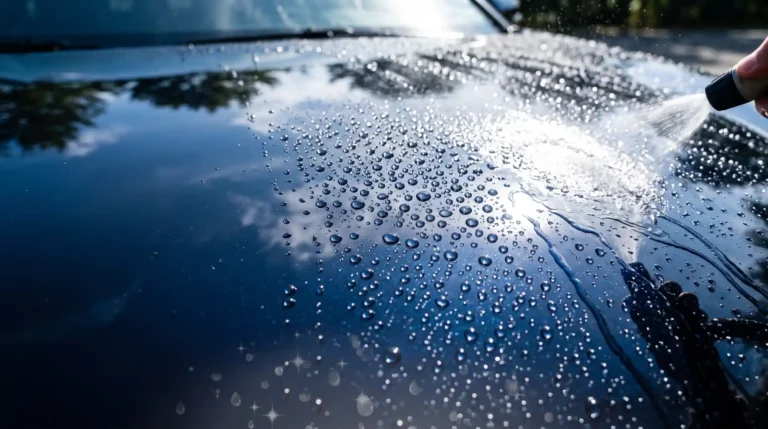
Spray the paint with water. Tight, round beads that roll off mean the protection is still working. Large, flat beads or water that sheets and clings means it is time to wax again. Another check: freshly protected paint feels slick when you run a clean microfiber over it.
Common Waxing Mistakes
- Waxing in direct sun or on hot paint, which leaves streaks and makes buffing hard.
- Applying too much, which wastes product and is harder to remove.
- Skipping the clay bar, so wax sits on top of contamination and looks less glossy.
- Getting wax on textured black trim, where it dries white.
- Using dirty towels, which can scratch the paint.
- Waxing matte paint or matte wraps, which adds unwanted shine; use matte-specific products instead.
- Using dish soap between waxes, which strips protection quickly.
Waxing Wrapped, Ceramic-Coated and New Cars
- Vinyl wraps: use wrap-safe sealants or sprays; avoid carnauba on matte or satin films.
- Ceramic-coated cars: do not need wax; use the coating maker’s maintenance spray to top it up.
- New cars: factory paint is fully cured, so you can wax a new car right away.
How Much Does Professional Waxing Cost?
A professional hand wax or sealant usually costs about $50 to $150 as a standalone service, or is included in a full exterior detail. Mobile detailers often offer wash-and-wax packages. Paint correction before waxing costs more. For the rest of your routine upkeep, see fueleconomy.gov’s maintenance tips.
Car Waxing FAQ
Wash and dry the car, clay the paint, apply a thin coat of wax with a foam applicator one panel at a time, let it haze for 5 to 15 minutes, then buff it off with a clean microfiber towel. Work in the shade on cool paint.
Carnauba wax every 6 to 8 weeks and synthetic sealants every 4 to 6 months. Wax more often if the car is parked outside or exposed to harsh sun or road salt.
For most drivers, a synthetic sealant or ceramic spray gives the longest protection with the least effort. Carnauba gives a warmer, deeper shine but lasts only a few weeks.
Yes, if the paint feels rough after washing. Claying removes bonded contamination so the wax bonds better and the finish looks glossier.
Polish is mildly abrasive and removes swirls and dullness; wax is non-abrasive and protects the paint and adds shine. Polish first, then wax.
It is not recommended. Hot paint makes wax dry too fast, causing streaks and making it hard to buff off. Work in the shade on cool panels.
Usually 5 to 15 minutes, until it hazes. Swipe a finger across it: if it wipes clean and leaves a powder, it is ready to buff.
No. Wax can fill and hide very fine marks temporarily, but polishing or paint correction is needed to actually remove scratches.