Bad Brake Master Cylinder: Symptoms, Testing and Replacement Cost
The most common signs of a bad brake master cylinder are a brake pedal that feels soft or spongy, a pedal that slowly sinks toward the floor when you hold it, a brake warning light, dropping or contaminated brake fluid, and fluid leaking where the master cylinder meets the brake booster. Replacing a master cylinder typically costs about $250 to $650 including parts and labor, and more on some trucks, luxury and European vehicles. Because the master cylinder creates all of your hydraulic braking pressure, any symptom should be checked immediately.
What Does a Brake Master Cylinder Do?
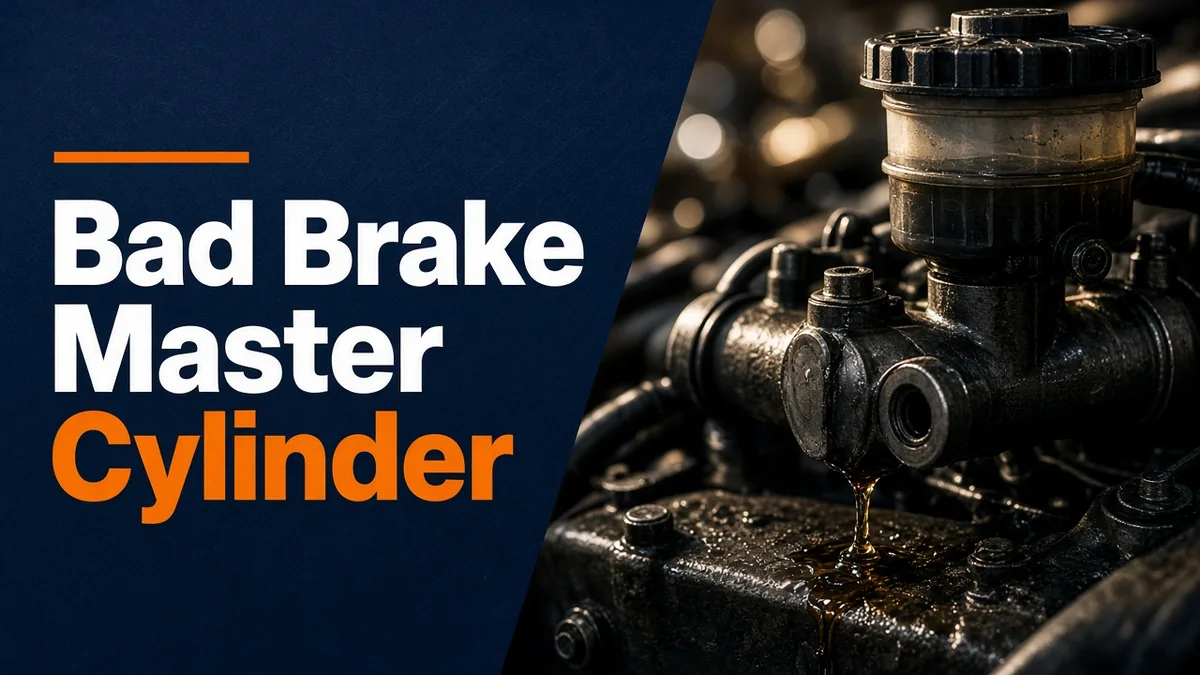
The master cylinder sits on the driver’s side of the firewall, bolted to the front of the brake booster, with a plastic brake fluid reservoir on top. When you press the pedal, the booster pushes a rod into the master cylinder. Inside, one or two pistons with rubber seals push brake fluid through the brake lines to the calipers and wheel cylinders, which squeeze the pads against the rotors or push shoes against drums.
Modern master cylinders are “tandem” or dual-circuit units. They split the brakes into two separate hydraulic circuits (front/rear or diagonal), so if one circuit loses pressure, the other can still stop the car, although with reduced braking power.
Symptoms of a Bad Brake Master Cylinder
1. Soft, Spongy or Sinking Brake Pedal
This is the most common sign. Worn internal seals let fluid slip past the pistons instead of building pressure. The pedal feels soft, travels farther than normal, or slowly sinks toward the floor while you hold steady pressure at a stop. Unlike air in the lines, pumping the pedal usually does not fix it for long.
2. Brake Warning Light
Most reservoirs have a fluid level sensor. If the level drops, the red brake warning light turns on. Some cars also use a pressure differential switch that triggers the light if one circuit loses pressure. Our dashboard symbols guide explains the difference between the brake light, ABS light and parking brake indicator.
3. Low Brake Fluid or Leaks
External leaks show up as wet spots on the master cylinder body, around the reservoir grommets or at the brake line fittings. A leak from the rear seal may drip down the booster or onto the firewall, and fluid can soak into the booster itself. Brake fluid is clear to amber when new and darkens with age; it feels slippery and can damage paint.
4. Contaminated or Dark Brake Fluid
Worn seals shed rubber particles into the fluid, turning it dark or murky. Contaminated fluid can damage other brake parts and reduce performance.
5. Uneven Braking or Pulling
If one hydraulic circuit is not getting full pressure, the car may pull to one side when braking or the front and rear brakes may feel unbalanced. Pulling can also come from a sticking caliper, so it needs diagnosis.
6. Pedal Goes to the Floor
A pedal that drops to the floor with little resistance means a serious loss of hydraulic pressure. Do not drive the car.
7. Brakes Dragging or Not Releasing
Less commonly, a master cylinder with a blocked return port can hold pressure in the lines, causing brakes to drag, overheat and smell hot.
Bad Master Cylinder Vs. Other Brake Problems
| Symptom | Master Cylinder | Air in Lines | Brake Booster | Leaking Line or Caliper |
|---|---|---|---|---|
| Pedal feel | Soft, sinks slowly under steady pressure | Spongy, firmer after pumping | Hard, stiff | Soft, sinks |
| Fluid level | May drop (external leak) or stay full (internal leak) | Usually normal | Normal | Drops |
| Visible leak | At master cylinder or booster | None | None | At wheel or along lines |
| Other clues | Brake warning light, dark fluid | Recent brake work | Hissing, rough idle | Wet tire sidewall or puddle |
How to Test a Brake Master Cylinder
- Check the fluid level and condition in the reservoir. Low or dark fluid is a clue.
- Look for leaks around the master cylinder, the booster joint and all brake lines and wheels.
- Sinking pedal test: with the engine running and the car in Park, press the brake pedal with steady, moderate pressure for 30 to 60 seconds. If the pedal slowly sinks and there is no external leak, the master cylinder seals are likely bypassing.
- Rule out air: if the pedal is spongy but firms up after pumping, air in the lines is more likely.
- Have a shop bench-test or pressure-test the system for a definite diagnosis.
Checking your brake fluid only takes a moment. Our guide on how to check your car fluids shows where the reservoir is and what the level marks mean.
What Causes a Master Cylinder to Fail?
- Worn piston seals from age and mileage
- Old, moisture-laden brake fluid that corrodes the bore
- Contaminated fluid (oil, wrong fluid type or dirt)
- Overextending the pistons when pumping the pedal to the floor during a DIY brake bleed on an older unit
- Cracked reservoir or failed grommets
Brake Master Cylinder Replacement Cost
| Item | Typical Cost (US) |
|---|---|
| Master cylinder part (aftermarket) | $50–$250 |
| OEM or premium master cylinder part | $150–$500+ |
| Labor (about 1–2.5 hours plus bleeding) | $150–$400 |
| Total at an independent shop | About $250–$650 |
| Total at a dealer or on luxury/European models | $500–$1,000+ |
| Reservoir or grommet replacement only | $50–$200 |
Costs vary by vehicle, labor rates and parts choice. A full brake bleed or flush is usually included or recommended, since air enters the system when the master cylinder is removed. Some vehicles with ABS require a scan tool to bleed properly, which can add time.
Can You Replace a Master Cylinder Yourself?
Experienced DIYers can do it with basic tools, a line wrench and a bench-bleed kit. The new unit must be bench-bled before installation, and the entire system bled afterward. Mistakes can leave air in the lines and a dangerous pedal, so if you are not confident, have a professional do it.
Can You Drive With a Bad Master Cylinder?
No, you should not drive with a failing master cylinder except to move the car a short distance to safety. Even with a dual-circuit design, braking power can drop suddenly and stopping distances can increase dramatically. If the pedal sinks or the brake light comes on with low fluid, have the car towed to a repair shop.
How to Prevent Master Cylinder Problems
- Flush brake fluid at the interval in your owner’s manual, often every 2 to 3 years
- Use only the brake fluid type specified on the reservoir cap (DOT 3, DOT 4, DOT 5.1, etc.)
- Keep the reservoir cap closed to keep moisture out
- Fix leaks promptly and do not just keep topping off
- Have the brake system inspected at least once a year
Brake fluid service fits into regular maintenance. See our car maintenance schedule by mileage. Many state safety inspections also check for brake fluid leaks and pedal feel, as explained in our car inspection guide.
Safety note: If the brake pedal sinks to the floor while driving, pump it rapidly to try to build pressure, shift to a lower gear, and apply the parking brake gradually. Steer to a safe place, stop and call for a tow. Do not drive again until the brakes are repaired.
Related guides: How to check car fluids · Dashboard symbols · Car inspection guide
Master Cylinder FAQs
Common symptoms include a soft or spongy pedal, a pedal that slowly sinks to the floor, a brake warning light, low or dark brake fluid, fluid leaks near the booster and uneven braking.
Yes. Worn internal seals can let fluid bypass the pistons inside the unit, causing a sinking pedal even when there is no visible leak and the fluid level stays full.
Yes. The new master cylinder must be bench-bled before installation, and the whole brake system must be bled afterward to remove air.
Many master cylinders last 100,000 miles or more. Regular brake fluid flushes help prevent internal corrosion and seal wear.