Car Inspection: What Gets Checked, How Long It Takes and What It Costs
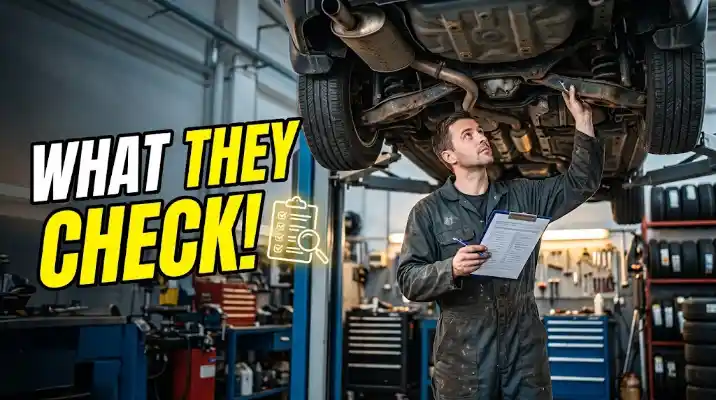
A state car inspection checks that your vehicle is safe to drive and, in some areas, that its emissions are within limits. Inspectors typically look at the brakes, tires, lights, steering, suspension, horn, wipers, windshield, mirrors, seat belts and exhaust, and in emissions areas they plug into the car’s computer or test the tailpipe. Most inspections take 15 to 60 minutes and cost roughly $10 to $80 depending on the state. Only some states require them, and the rules change often.
This guide explains what gets checked, which states require inspections, typical costs, what happens if you fail, and a simple checklist to help you pass the first time.
Key Takeaways
- What is checked: brakes, tires, lights, steering, suspension, glass, wipers, horn, belts, exhaust and sometimes emissions.
- How long: usually 15–60 minutes, plus any wait.
- Cost: often $10–$80, set or capped by the state; emissions tests may be extra.
- Failed? Most states give you a set period to fix it and a free or discounted retest.
- Rules change: for example, Texas ended routine safety inspections for personal vehicles in 2025, though emissions tests continue in some counties.
What Gets Checked in a Car Inspection
| System | What the inspector looks for |
|---|---|
| Brakes | Pad and rotor condition, pedal feel, parking brake, leaks, stopping ability |
| Tires and wheels | Tread depth (commonly at least 2/32 inch), cuts, bulges, matching sizes, loose lug nuts |
| Lights | Headlights (high and low beam), brake lights, turn signals, hazards, taillights, reverse and plate lights |
| Steering and suspension | Excess play, worn ball joints or tie rods, broken springs, leaking shocks |
| Glass and visibility | Windshield cracks in the driver’s view, working wipers and washers, mirrors, window tint limits |
| Horn and safety equipment | Working horn, seat belts, sometimes airbag warning lights |
| Exhaust | Leaks, missing parts, excessive noise or smoke |
| Body and frame | Severe rust, sharp edges, missing bumpers, hood and doors that latch |
| Fuel system | Leaks and a working gas cap in many areas |
| Emissions (where required) | OBD-II scan for fault codes and readiness monitors, or a tailpipe test on older cars |
Exact checklists depend on your state and vehicle type. Your state DMV, state police or environmental agency publishes the official list.
Which States Require Car Inspections?
Inspection requirements fall into three broad groups:
- Periodic safety inspections: a number of states, mainly in the Northeast and South, require annual or every-other-year safety inspections. Examples include New York, Pennsylvania, Virginia, Massachusetts, North Carolina, Vermont, Maine, West Virginia, Louisiana, Delaware, Rhode Island, Missouri and Hawaii.
- Emissions testing: many states test emissions only in certain counties or metro areas with air-quality problems, often every one or two years, with exemptions for new cars and sometimes for very old ones.
- Inspection at registration or sale: some states require a one-time inspection or VIN verification when you register a car from out of state, buy a used car or rebuild a salvage vehicle.
Programs change regularly. Texas stopped requiring annual safety inspections for most non-commercial vehicles on January 1, 2025, replacing them with a small fee at registration, while emissions testing continues in certain counties. Other states have changed or debated their programs too, so always check your state’s current rules before your registration renewal.
How Much Does a Car Inspection Cost?
| Type | Typical cost |
|---|---|
| State safety inspection | About $10–$80, often set or capped by the state |
| Emissions test | About $15–$50 |
| Combined safety and emissions | About $25–$100 |
| Inspection sticker or state fee | Sometimes added separately |
| Retest after repairs | Often free within a set period at the same station |
| Pre-purchase inspection (used car) | About $100–$250 |
Fees vary by state and sometimes by county. States that set a fixed fee post it on their DMV or state police website, and stations must usually display it.
How Long Does a Car Inspection Take?
The inspection itself usually takes 15 to 30 minutes for a safety check and 30 to 60 minutes for a combined safety and emissions test. Waiting time at busy stations, especially at the end of the month, can add much more. Many shops accept appointments.
Pre-Inspection Checklist: How to Pass the First Time
- Check every light: have someone help you test headlights, high beams, brake lights, turn signals, hazards, reverse lights and the license plate light.
- Clear warning lights: a check engine light usually fails an emissions test. Have the code read and fixed first.
- Inspect the tires: check tread depth with a gauge or the penny test, look for bulges and set the correct pressure.
- Test the horn, wipers and washer fluid, and replace streaky wiper blades.
- Look at the windshield: cracks or large chips in the driver’s line of sight can fail.
- Check the brakes: listen for grinding and make sure the parking brake holds.
- Buckle every seat belt to make sure they latch and retract.
- Listen for exhaust leaks or loud rattles.
- Bring your paperwork: registration, proof of insurance and your driver’s license.
Do Not Clear Codes Right Before an Emissions Test
If you disconnect the battery or clear trouble codes with a scanner just before an emissions test, the car’s readiness monitors reset and the car may be rejected until you drive enough for them to complete, often a few days of normal driving. Fix the problem, then drive normally before testing.
What Happens If Your Car Fails Inspection?
- Get the written report listing each failed item.
- Make the repairs at the inspection station or any shop you choose.
- Return for a retest within the allowed period, often 15 to 60 days. Many states offer a free or reduced-price retest at the original station within that window.
- Ask about waivers: some emissions programs offer a waiver or extension if you have spent a set amount on qualifying repairs and the car still does not pass.
Driving with an expired inspection can lead to a ticket and may prevent you from renewing your registration in states that link the two.
Other Inspections Car Owners May Need
Pre-Purchase Inspection
Before buying a used car, a mechanic can inspect it for hidden problems for about $100 to $250. It is one of the best ways to avoid expensive surprises and gives you leverage to negotiate.
Rideshare and Delivery Inspections
Uber and Lyft require vehicle inspections in some states and cities, often on a company form and at approved locations, sometimes free or low-cost through partner shops. Requirements vary by market, so check the driver app for your city.
Salvage and Out-of-State Inspections
Rebuilt salvage vehicles and cars brought from another state often need a special inspection or VIN verification before they can be registered.
How to Save Money on Inspections
- Check your lights, tires and wipers yourself before the inspection.
- Fix warning lights before an emissions test instead of paying twice.
- Use a station you trust; be wary of long lists of unrelated “recommended” repairs.
- Ask whether retests are free and for how long.
- Book early in the month to avoid long end-of-month lines.
Car Inspection FAQ
Inspectors usually check brakes, tires, lights, steering, suspension, windshield and wipers, horn, seat belts, mirrors, exhaust and, in emissions areas, the car’s computer or tailpipe emissions.
A safety inspection usually takes 15 to 30 minutes, and a combined safety and emissions inspection about 30 to 60 minutes, not counting wait time.
Usually about $10 to $80 depending on the state, with emissions testing often $15 to $50 extra. Many states set or cap the fee.
Several states require periodic safety inspections, including New York, Pennsylvania, Virginia, Massachusetts and North Carolina, and many states require emissions testing in certain areas. Rules change, so check your DMV.
Texas ended annual safety inspections for most non-commercial vehicles on January 1, 2025, but emissions testing still applies in certain counties. Check the Texas DPS for current rules.
In states with emissions testing, a lit check engine light usually means an automatic failure. Some safety-only inspections also check warning lights.
You get a report of the failed items, make the repairs and return for a retest within the allowed period, which is often free or discounted at the same station.
A pre-purchase inspection by an independent mechanic usually costs about $100 to $250 and is strongly recommended before buying a used car.