Can You Insure a Car Not in Your Name?
Trying to insure a car not in your name is a common problem for families, couples and roommates. Usually, you cannot buy your own car insurance policy on a car that is not in your name unless you have an insurable interest in it, meaning you would lose money if it were damaged. The common solutions are to be added as a driver on the owner’s policy, add your name to the title as a co-owner, or buy non-owner car insurance if you regularly drive cars you do not own. Rules vary by insurer and state, so ask the insurer before you drive.
Key Takeaways
- Insurable interest: insurers require a financial stake in the car, usually ownership or co-ownership.
- Easiest fix: be listed as a driver on the owner’s policy, especially if you live together.
- Co-title: adding your name to the title lets you insure the car yourself.
- Non-owner insurance: liability coverage for people who drive but do not own a car.
- Financed or leased cars: the lender is on the title, but you are still the one who insures it.
What Is Insurable Interest?
Insurable interest means you would suffer a financial loss if the car were damaged, stolen or involved in an accident. Owners and co-owners have it; so do lenders and leasing companies. Insurers use this rule to prevent fraud and to make sure the person paying for the policy is the person who would actually be harmed by a loss. Buying a policy on a car you have no stake in can lead to a denied claim, and in some states it can be treated as fraud.
Your Options for Insuring a Car You Do Not Own
| Option | How it works | Best for |
|---|---|---|
| Be added as a driver | The owner lists you on their policy | Family members, roommates, partners who share a car |
| Co-title the car | Add your name to the title at the DMV; you become a co-owner | Couples, parent and adult child who share costs |
| Owner adds you as additional insured or co-owner on the policy | You are named on the owner’s policy with added rights | Relatives who helped buy the car |
| Non-owner car insurance | Your own liability policy that follows you as a driver | People who borrow or rent cars often, or need an SR-22 |
| Rely on the owner’s permissive-use coverage | Occasional borrowing, where the owner’s policy may cover you | Infrequent, one-off use (check the policy) |
Common Situations
Driving a Parent’s or Spouse’s Car
If you live in the same household and drive the car regularly, most insurers want you listed as a driver on that policy. Many insurers require all licensed household members to be listed or formally excluded.
Adult Child With a Car Titled to a Parent
The parent usually keeps the car on their policy with the adult child listed as a driver. If the child moves out, many insurers will want the child to have their own policy, which may require transferring the title or co-titling the car.
Financed or Leased Car
The lender or leasing company may hold the title, but you are the registered owner or lessee and you buy the insurance. The lender is listed on your policy as the lienholder or loss payee, and full coverage is usually required.
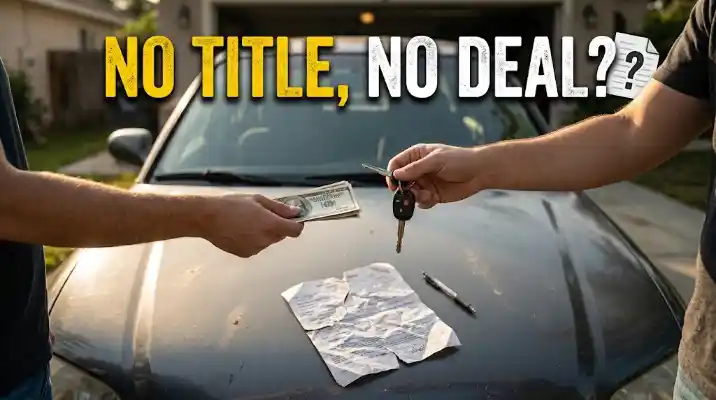
Car Bought for Someone Else or Received as a Gift
Transfer the title to the person who will drive and insure it, or co-title it, before insuring. Insuring a car titled to one person while someone else lives elsewhere and drives it full time can cause claim problems.
Company Car
Employer-owned vehicles are usually covered by the company’s commercial policy. Ask your employer what coverage applies to personal use.
What Happens If You Drive a Car Without Being Properly Insured?
- A claim may be denied or reduced if you were an unlisted regular driver.
- The owner’s rates can rise, or the policy can be canceled for misrepresentation.
- If you are uninsured and cause an accident, you may be personally liable for damages and injuries.
- Driving uninsured can bring fines, license suspension and other penalties.
Safety note: Always tell the insurer who drives the car and where it is kept. Misrepresenting drivers, ownership or the garaging address to get a lower rate can void coverage exactly when you need it.
How to Get Covered: Step by Step
- Decide who owns the car and who drives it most.
- Call the owner’s insurer and ask to add you as a driver, or ask whether co-ownership changes the options.
- If you will co-own it, visit your DMV to update the title and registration.
- If you do not own a car but drive often, get quotes for non-owner insurance.
- Keep proof of insurance in the car and in your phone.
Insuring a Car Not in Your Name FAQ
Usually not on your own policy, unless you have an insurable interest such as co-ownership. You can typically be added as a driver on the owner’s policy instead.
It means you would suffer a financial loss if the car were damaged or stolen, such as being an owner, co-owner or lender.
Generally only if you share ownership or have an insurable interest. Some insurers allow it for household members; ask your insurer.
Some insurers allow it if you live in the same household, especially with co-titling, but many require the owner to insure the car.
A liability policy for people who drive but do not own a car. It covers damage and injuries you cause to others, not the car you are driving.
Often yes for occasional use under permissive-use coverage, but regular drivers should be listed on the policy. Check the policy terms.
You do. The lender is listed as lienholder on your policy and usually requires full coverage.