Can You Get Car Insurance Without a License? Options, Registration and Costs
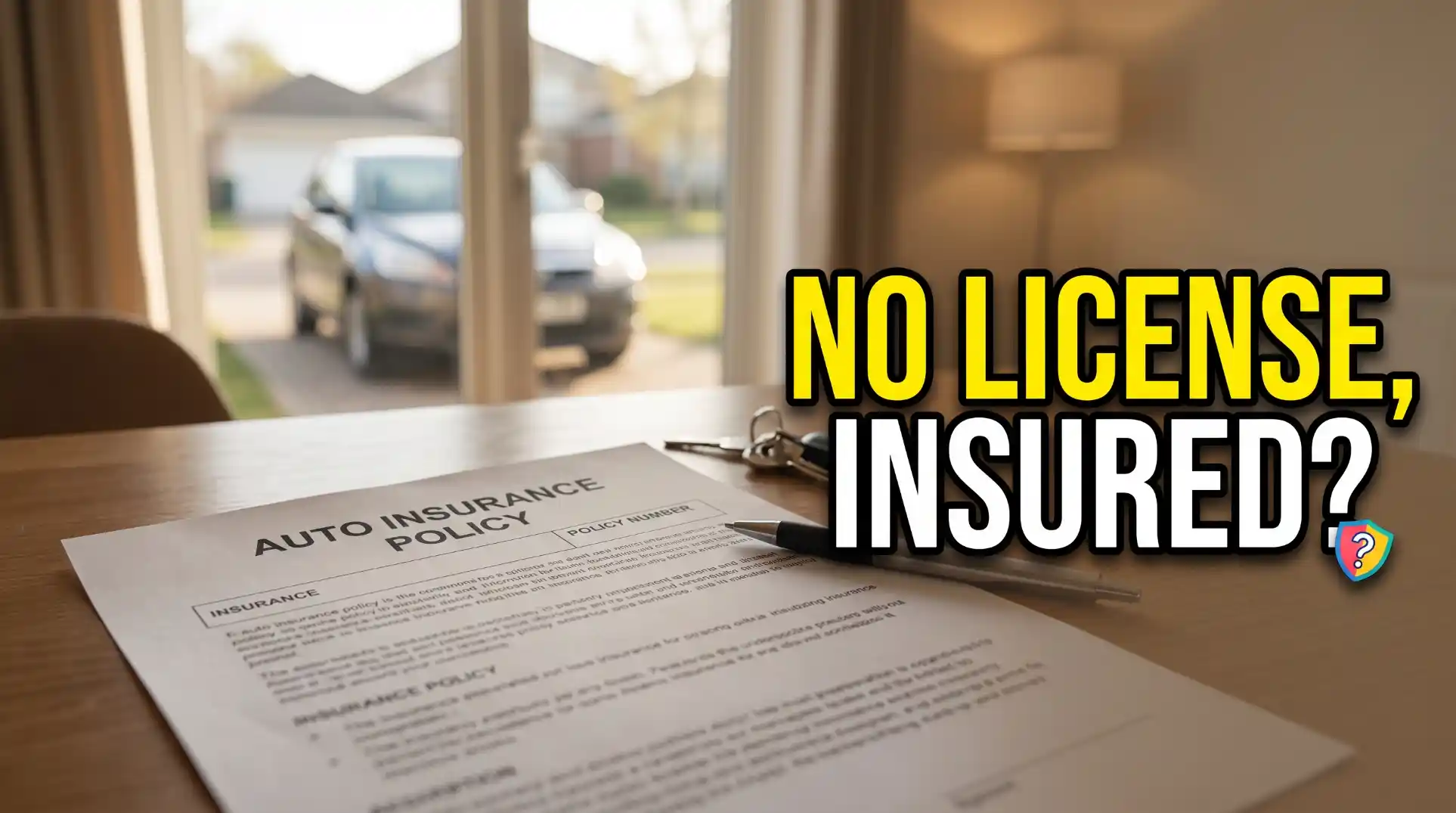
Can you get car insurance without a license? Yes, you can often get car insurance without a driver’s license, but fewer insurers offer it and it can cost more. The usual ways are to list a licensed primary driver on the policy (such as a spouse, child or caregiver), exclude yourself as a driver while insuring the car you own, buy comprehensive-only (parked car) coverage for a car in storage, or, if your license is suspended, get non-owner insurance with an SR-22 filing if your state requires it. Some insurers also cover drivers with a learner’s permit or a valid foreign license.
Why You Might Need Insurance Without a License
- You own a car that a family member or caregiver drives.
- Your license is suspended or revoked and you need to keep coverage or file an SR-22.
- Your car is in long-term storage and you want theft and damage protection.
- You have a learner’s permit and are driving with a supervising adult.
- You recently moved to the US and hold a foreign license.
- Medical conditions prevent you from driving, but you still own a vehicle.
Your Options
| Option | How it works | Good for |
|---|---|---|
| List a licensed primary driver | The person who will drive the car most is the primary driver on your policy | Owners who do not drive |
| Excluded driver | You are named as owner but formally excluded from driving coverage | Owners with suspended licenses or who will never drive |
| Co-owner policy | Title and policy shared with a licensed co-owner | Couples or family members sharing a car |
| Comprehensive-only / parked car | Covers theft, fire, weather and vandalism, not driving | Stored or undriven cars (check state rules for registered cars) |
| Non-owner SR-22 | Liability policy with an SR-22 filing for someone who does not own a car | Drivers reinstating a suspended license |
| Learner’s permit on a household policy | Permit holder is added to the family policy | Teens and new drivers learning to drive |
Can You Register a Car Without a License?
In most states, yes. A driver’s license is not usually required to own or register a car. The DMV typically asks for proof of ownership (the title or bill of sale), a government-issued photo ID such as a state ID card, payment of fees and taxes, and proof of insurance on the vehicle. Some states, including Texas, explicitly allow unlicensed owners to register a car as long as liability insurance is in place.
- Get the insurance first: most DMVs will not register the car without a policy that covers it, and many want your name on the policy as the owner.
- Bring a state ID: if you have never had a license, a state identification card from the DMV usually serves as your ID.
- Name a licensed driver: insurers will want to know who will drive the car, and that person needs a valid license.
- Check your state’s rules: requirements for ID, insurance and inspections vary, so look up your DMV’s registration checklist before you go.
For the purchase itself, see whether you need a license to buy a car; in most cases you do not.
How to Get Car Insurance Without a License
- Decide who will drive the car: insurers price policies on the driver’s record.
- Gather information: the car’s VIN, the primary driver’s license number and history, and your ID.
- Call insurers directly: online quote tools often require a license number, so phone quotes or local agents work better.
- Explain your situation honestly: unlicensed owner, suspended license, stored car or permit.
- Compare quotes from several companies, including local independent agents.
- Keep the policy active and proof of insurance available for registration.
Which Insurers Cover Unlicensed Owners?
Not every company will quote you. Large standard insurers sometimes do when a licensed primary driver is listed, but many online quote forms stop as soon as you leave the license field blank. Non-standard insurers, which specialize in drivers and owners that standard companies turn away, and local independent agents who can shop several of them at once, are usually the fastest route. Expect to answer questions about who drives the car, where it is kept and why you are not licensed.
What Happens If You Drive Without a License but Have Insurance?
- Your coverage may not apply: many policies exclude unlicensed drivers, and an excluded driver has no coverage at all, so the insurer can deny an accident claim.
- You face legal penalties: driving without a valid license can bring fines, vehicle impoundment and, for a suspended license, possible jail time and a longer suspension.
- The owner can be liable: letting an unlicensed person drive your car can expose you to claims if they cause a crash.
- Rates usually rise: a citation for unlicensed driving can raise premiums or lead to non-renewal.
Does It Cost More?
It can. Rates depend mainly on the licensed driver’s record, your location and the car. Excluding yourself can keep costs down if you have a poor driving record. A suspended license or SR-22 requirement usually increases premiums because insurers view it as higher risk, and insurers often charge a small one-time fee, commonly around $15 to $50, to file the SR-22 with the state. Comprehensive-only coverage for a parked car is typically the cheapest option but provides no coverage for driving.
Safety note: Having insurance does not make it legal to drive without a license. If you are listed as an excluded driver and drive anyway, the policy generally will not cover any accident, leaving you personally responsible for damage and injuries, in addition to legal penalties. After a DUI, many states also require an ignition interlock device before you can legally drive again.
Insurance With a Suspended License
If your state suspended your license, you may be required to file an SR-22 (or FR-44 in some states), a certificate from your insurer showing you carry the required liability coverage. You can often get this through a non-owner policy if you do not own a car. Keep the policy continuously active for the required period; a lapse can restart your suspension.
Insurance Without a License FAQ
A person named on a policy who is specifically not covered to drive the insured car. It lets an unlicensed or high-risk owner insure a car someone else drives.
Usually yes, by listing a licensed primary driver or excluding yourself. You may also need an SR-22 filing to get your license reinstated.
Usually permit holders are added to a household policy, often a parent’s, rather than buying their own.
Comprehensive-only coverage for a car that is not being driven, protecting against theft, fire, weather and vandalism.
Some insurers accept valid foreign or international licenses, often at higher rates. Getting a US state license usually lowers costs.
Yes, as long as someone with a valid license will drive it or the car will be stored. You will usually need to list that licensed driver, or buy parked-car coverage if no one will drive it.