Most Reliable Electric Cars (2026 Data)
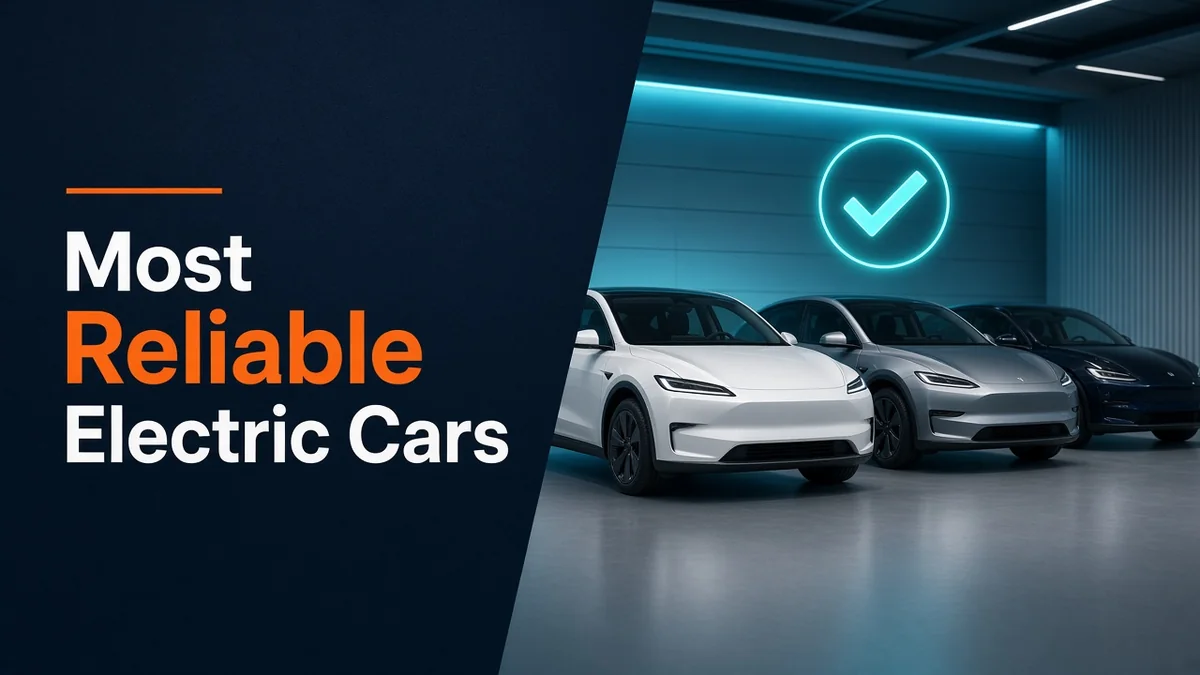
The Tesla Model Y was Consumer Reports’ most reliable EV in its latest annual reliability survey, published in December 2025, and the BMW i4, Lexus RZ and Kia Niro EV have also posted above-average reliability results. At the brand level, Tesla jumped from 17th to 9th of 26 brands, the best showing for an EV-only brand. Electric cars as a group still report more problems than gas cars and hybrids, but the gap is narrowing quickly: coverage of the survey put it at about 42% more problems than gas-only cars, down from 79% a year earlier.
Most Reliable Electric Cars (2026)
| Model | Type | Why It Stands Out |
|---|---|---|
| Tesla Model Y | Compact SUV | Consumer Reports’ most reliable EV in its December 2025 survey; mature, high-volume platform |
| BMW i4 | Luxury sedan/Gran Coupe | Top EV in CarEdge’s table of Consumer Reports EV scores, with a score of 82 |
| Lexus RZ | Luxury compact SUV | Consistently above-average in Consumer Reports-based EV rankings; backed by Lexus’s strong brand record (3rd overall) |
| Kia Niro EV | Small crossover | Strong reliability history in recent model years and a long Kia warranty |
| Tesla Model 3 | Compact sedan | Shares the Model Y’s mature hardware; Tesla’s brand score rose sharply |
Rankings draw on Consumer Reports’ December 2025 reliability results and media summaries of its EV scores. Reliability for the Lexus RZ is notable, but its real-world highway range is short for the price, so weigh both. Consumer Reports predicts reliability for new models from member survey data on recent model years. Reliability can change from year to year, especially after redesigns.
Most Reliable Car Brands (Consumer Reports, December 2025)
| Rank | Brand |
|---|---|
| 1 | Toyota |
| 2 | Subaru |
| 3 | Lexus |
| 4 | Honda |
| 5 | BMW |
| 6 | Nissan |
| 7 | Acura |
| 8 | Buick |
| 9 | Tesla |
| 10 | Kia |
These are overall brand rankings out of 26 brands, covering gas, hybrid and electric models. Tesla (9th) is the only EV-only brand in the top 10; Rivian ranked last. For more on brand reliability, see our ranking of the most reliable car brands.
Are Electric Cars Reliable?
Consumer Reports’ surveys have consistently found that EVs and plug-in hybrids, as a group, have more reported problems than conventional gas cars, while regular hybrids are the most reliable. Common EV problem areas include:
- Electric drive motors and inverters on some models
- EV batteries and charging systems, including charge port and onboard charger faults
- In-car electronics and software (infotainment, screens, connectivity)
- Body hardware and build quality (trim, doors, leaks) on some newer brands
- Climate systems and heat pumps
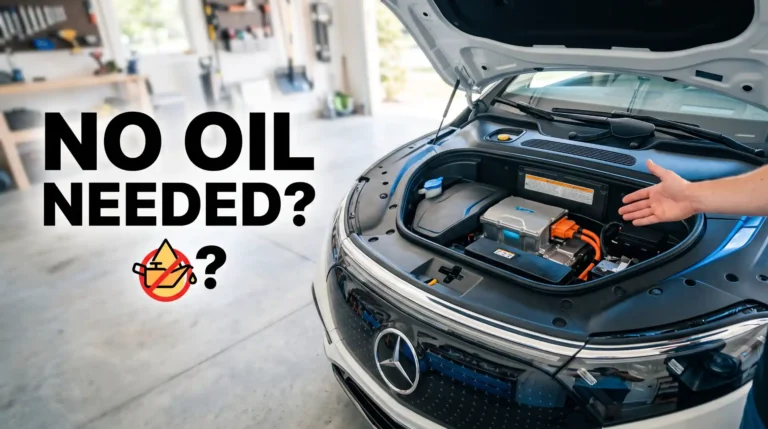
At the same time, EVs avoid many traditional failure points: no oil leaks, spark plugs, timing belts, exhaust systems or multi-speed transmissions. As automakers gain experience, newer EV generations are showing significant improvement.
What Makes an EV Reliable?
- Mature platform: models in their third year or later of production usually have fewer bugs.
- Proven battery and thermal management: liquid-cooled batteries last longer.
- Simple controls: fewer complex features mean fewer things to go wrong.
- Strong software support: over-the-air updates can fix issues without a dealer visit.
- Good dealer and service network for quick repairs.
How to Choose a Reliable EV
- Check Consumer Reports predicted reliability and owner satisfaction for the exact model and year.
- Look up recalls and technical service bulletins on NHTSA’s website by make, model and year.
- Avoid the first model year of a brand-new design when possible.
- Read owner forums for recurring issues.
- Compare warranty coverage, especially for the battery and electric drive components.
- For used EVs, get a battery health report and pre-purchase inspection.
Our guide on how to buy a used car includes an inspection checklist that also applies to EVs.
Buying a Reliable Used EV
A used EV can be a strong value because luxury and mainstream EVs often lose value quickly. Reliability on the used market comes down to a few checks:
- Battery health report: ask the seller or a dealer for a state-of-health reading, or compare the full-charge range estimate with the original EPA figure.
- Remaining battery warranty: most EV batteries carry at least 8 years or 100,000 miles of coverage, and it usually transfers to the next owner.
- Software and recall history: confirm over-the-air updates are current and recall work is done.
- Charging hardware: test the charge port and onboard charger on both a Level 2 and a DC fast charger if you can.
- Model-year track record: early years of a new design usually have the most problems, so a later year of the same model is often the safer buy.
EV Warranties Help Protect Against Problems
Most EVs come with a basic bumper-to-bumper warranty (often 3 to 4 years) and an EV battery and drive component warranty of at least 8 years or 100,000 miles. Some brands, such as Hyundai and Kia, offer longer powertrain and battery coverage. Strong warranty coverage reduces the financial risk of a less reliable model.
Ownership Costs of Reliable EVs
Reliable EVs combine low repair risk with low routine maintenance. There are no oil changes, as explained in do electric cars need oil changes, and charging at home is usually cheaper than gas. Estimate your energy costs with our EV charging cost calculator.
Safety note: Always check for open recalls using your VIN on NHTSA’s recall lookup, and have recall repairs completed promptly. Never attempt repairs on high-voltage EV components yourself.
Related guides: Most reliable car brands · How to buy a used car · Do electric cars need oil changes?
EV Reliability FAQs
The Tesla Model Y was Consumer Reports’ most reliable EV in its December 2025 survey. The BMW i4, Lexus RZ and Kia Niro EV have also earned above-average reliability results.
Among EV-only brands, Tesla scored best, rising to 9th of 26 brands in Consumer Reports’ December 2025 rankings. Brands that also sell EVs, such as Lexus, BMW and Kia, rank highly overall.
Common issues include electric motor and inverter faults, charging system problems, software and infotainment glitches, and build quality issues on some models.
Check Consumer Reports predicted reliability, NHTSA recalls and complaints, owner forums and warranty coverage for the specific model and year.
On average, yes, according to Consumer Reports surveys: EVs report more problems than gas cars and far more than regular hybrids, mostly with charging, batteries and electronics. The gap has narrowed sharply, and well-proven models such as the Tesla Model Y and BMW i4 score well.