Car Electrical Problems: Common Signs, Causes and Repair Cost
The most common signs of car electrical problems are trouble starting, a battery that keeps dying, dim or flickering lights, a battery or charging warning light, fuses that blow repeatedly, accessories that work intermittently, and a burning plastic smell. Most electrical faults trace back to the battery, alternator, starter, fuses and relays, corroded connections, or damaged wiring. Simple fixes such as cleaning battery terminals or replacing a fuse cost little, while diagnosing a wiring fault typically runs about $100 to $200 per hour at a shop.
Common Car Electrical Problems at a Glance
| Symptom | Likely Causes | Typical Repair Cost (US) |
|---|---|---|
| Engine cranks slowly or clicks | Weak battery, corroded terminals, bad starter | $0–$50 cleaning; $150–$350 battery; $300–$800 starter |
| Battery keeps dying | Parasitic drain, failing alternator, old battery | $100–$300 diagnosis; alternator $400–$900 |
| Dim or flickering lights | Alternator, loose belt, bad ground | $50–$200 grounds/belt; alternator $400–$900 |
| Battery or charging light on | Alternator, belt, wiring, battery sensor | $100–$900 |
| Fuse keeps blowing | Short circuit, faulty accessory | $100–$500+ to trace and repair |
| Power windows, locks or radio act up | Fuse, relay, switch, wiring in door jamb | $50–$400 |
| Burning plastic smell | Overheated wire, short, failing component | Varies; stop driving and inspect |
| Multiple warning lights at once | Low voltage, bad ground, failing module | $100–$1,000+ |
Costs are typical ranges for common vehicles and vary by make, model and local labor rates.
Signs of Car Electrical Problems
1. Car Will Not Start or Starts Slowly
A slow crank, a single click or rapid clicking when you turn the key usually means the starter is not getting enough power. The cause might be a weak battery, loose or corroded cables, or a failing starter. Our guides on why a car will not start and signs of a bad starter walk through each possibility.
2. Battery Keeps Dying
If the battery goes flat repeatedly, the problem is either that it is not being recharged (alternator or wiring) or that something drains it when the car is off (parasitic drain). Batteries also weaken with age, typically after three to five years. See how to tell if your car battery is dead for simple tests.
3. Dim, Flickering or Overly Bright Lights
Headlights or dash lights that dim at idle and brighten when you rev the engine often mean the alternator is weak. Lights that flicker can indicate a loose connection or bad ground. Overly bright lights or bulbs that burn out frequently can point to a faulty voltage regulator that overcharges the system. Our guide to signs of a bad alternator covers these symptoms.
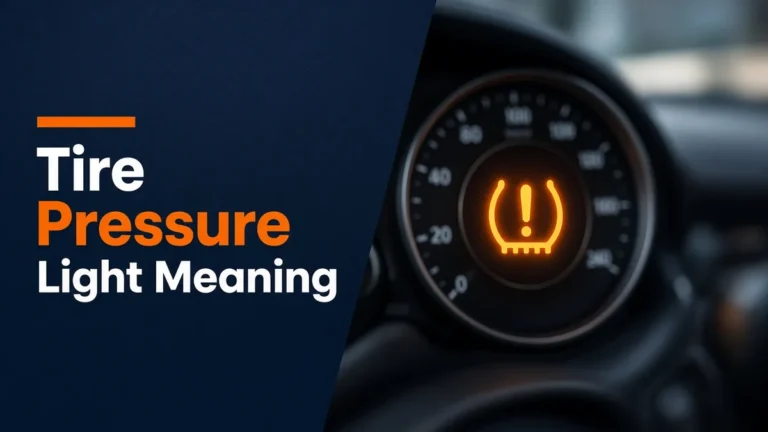
4. Battery or Charging System Warning Light
The battery-shaped light means the charging system is not producing the correct voltage. It does not usually mean the battery itself is bad. Common causes are a failing alternator, a slipping or broken serpentine belt, or a wiring fault.
5. Blown Fuses
Fuses protect circuits from overload. A single blown fuse can be caused by a one-time surge. If a new fuse blows right away or soon after, there is a short circuit or a faulty component drawing too much current.
6. Accessories Work Intermittently
Power windows, locks, mirrors, the radio or climate controls that work sometimes but not others often have a failing switch, relay or a broken wire. Wires that run through door hinges are especially prone to breaking from constant flexing.
7. Burning Smell or Melted Insulation
A burning plastic or electrical smell can mean a wire is overheating or shorting. This can lead to a fire. Turn off the car, get out and inspect from a safe distance. If you see smoke, move away and call for help.
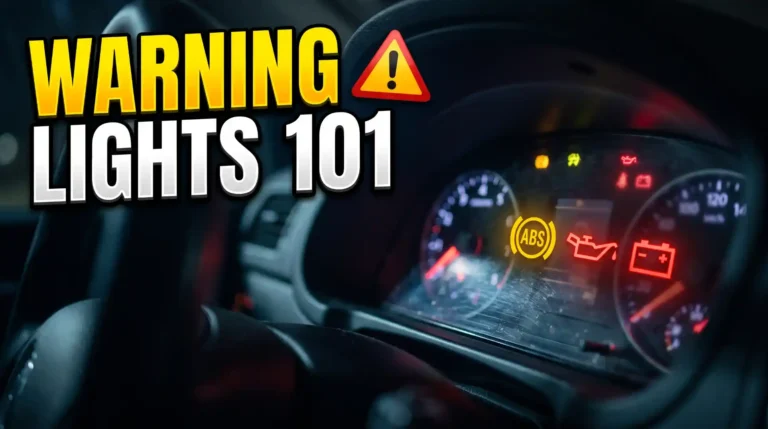
8. Electronic Glitches and Multiple Warning Lights
Modern cars have dozens of computer modules. Low system voltage, a poor ground or a failing module can cause random warning lights, gauges that drop to zero, infotainment reboots or features that stop working.
Most Common Causes of Car Electrical Problems
- Weak or old battery
- Corroded or loose battery terminals and cables
- Failing alternator or voltage regulator
- Worn or loose serpentine belt
- Bad starter motor or starter solenoid
- Blown fuses and failed relays
- Poor ground connections between the battery, engine and body
- Damaged wiring from heat, rodents, collisions or poor aftermarket installations
- Failing switches (ignition, window, headlight)
- Software or module faults in newer vehicles
How to Diagnose Car Electrical Problems
- Inspect the battery terminals: look for white or green corrosion and make sure cables are tight.
- Test battery voltage with a multimeter. A fully charged battery reads about 12.6 volts with the engine off.
- Test charging voltage: with the engine running, voltage should typically be about 13.7 to 14.7 volts. Much lower or higher points to the alternator or regulator.
- Check fuses and relays for the circuit that is not working, using the diagram in your owner’s manual or fuse box lid.
- Scan for trouble codes with an OBD-II scanner. Many parts stores offer free basic scans.
- Check for a parasitic drain with a multimeter in series with the battery; most cars should draw well under 50 milliamps once modules go to sleep.
- Have a professional trace wiring faults with wiring diagrams and specialized tools.
If you need to work on the battery, follow our steps on how to disconnect a car battery safely.
Car Electrical Repair Cost
| Repair | Typical Cost (US) |
|---|---|
| Electrical diagnosis | $100–$200 per hour (often 1 hour minimum) |
| Battery terminal cleaning | $0–$50 |
| Battery replacement | $150–$350 |
| Fuse or relay replacement | $10–$150 |
| Serpentine belt replacement | $100–$250 |
| Alternator replacement | $400–$900 |
| Starter replacement | $300–$800 |
| Wiring repair (simple) | $100–$300 |
| Wiring harness replacement | $500–$2,000+ |
| Body control module or other computer module | $500–$1,500+ |
For battery pricing in detail, see our car battery replacement cost guide.
How to Prevent Electrical Problems
- Test the battery every year after it is three years old
- Keep battery terminals clean and tight
- Replace the serpentine belt at the recommended interval
- Avoid running accessories for long periods with the engine off
- Have aftermarket electronics installed professionally, with proper fusing
- Park in a garage or use deterrents if rodents are common in your area
- Fix warning lights promptly rather than waiting for a breakdown
Safety note: Car batteries can produce explosive hydrogen gas and deliver high current. Wear eye protection, remove jewelry, and never let a metal tool touch both terminals. Never replace a fuse with a higher-amp fuse. Hybrid and electric vehicles have high-voltage systems (orange cables) that should only be serviced by trained technicians.
Related guides: Signs of a bad alternator · Why a car won’t start · Car battery replacement cost
Car Electrical Problems FAQs
Common signs include trouble starting, a battery that keeps dying, dim or flickering lights, a battery warning light, blown fuses, accessories that work intermittently and a burning plastic smell.
Simple fixes like fuses or cleaning terminals can cost under $50. Diagnosis usually runs $100 to $200 per hour, alternators $400 to $900, and major wiring repairs can exceed $1,000.
Yes. A failing alternator can cause dim lights, a dead battery, warning lights and erratic electronics because the car does not get steady voltage.
Common causes are an old battery, a failing alternator, a parasitic drain from a light or module that stays on, corroded connections, or short trips that do not fully recharge the battery.
Minor issues like a broken radio are not urgent, but a charging system warning, flickering lights at night, burning smells or smoke are serious. Get those checked immediately.
Identify which fuse keeps blowing, then inspect wiring on that circuit for damage. Professionals use wiring diagrams, test lights and multimeters to trace the short.