How to Prevent Rust on a Car: 10 Steps That Work
The best way to prevent rust on a car is to keep salt and moisture off the metal: wash the car and its underbody regularly in winter, fix paint chips before they reach bare metal, keep drain holes clear, and add an underbody rust-proofing treatment (oil spray, wax or rubberized undercoating) before salt season. Rust caught early as surface rust is cheap to stop; once it becomes scale or holes, repair gets expensive.
Key Takeaways
- Wash often in winter: at least every couple of weeks when roads are salted, always with an underbody rinse.
- Seal chips fast: a chip that exposes bare metal can start rusting within weeks in wet, salty conditions.
- Undercoat before winter: professional rust-proofing typically costs about $130–$350 for an oil spray and $250–$1,000 for heavier undercoating.
- Keep it dry: clear drain holes, replace soggy floor mats and fix leaking seals.
- Treat surface rust now: sand, prime and paint it before it spreads.
What Causes Rust on a Car?
Rust is iron oxide. It forms when the steel in a car’s body and frame is exposed to oxygen and water. Salt dramatically speeds the reaction because salty water conducts electricity better, accelerating corrosion. That is why cars in the Snow Belt and coastal areas rust far faster than cars in dry climates.
- Road salt and de-icing brines sprayed on winter roads.
- Sea air and salt spray near the coast.
- Paint chips and scratches that expose bare metal.
- Trapped moisture in blocked drain holes, wet carpets, seams and wheel arches packed with mud.
- Humidity and condensation, especially when a salty car sits in a warm garage where melting snow keeps it wet.
The Three Stages of Car Rust
| Stage | What it looks like | What to do |
|---|---|---|
| Surface rust | Light orange discoloration or bubbling on paint chips and scratches | Sand to bare metal, prime and touch up paint |
| Scale rust | Flaking, pitted metal; paint lifting around it | Wire-brush or grind off scale, apply rust converter, prime and paint; may need a body shop |
| Penetrating rust | Holes through panels, floors or frame | Cut out and weld in new metal; frame rot can make a car unsafe |
How to Prevent Rust on a Car: 10 Steps
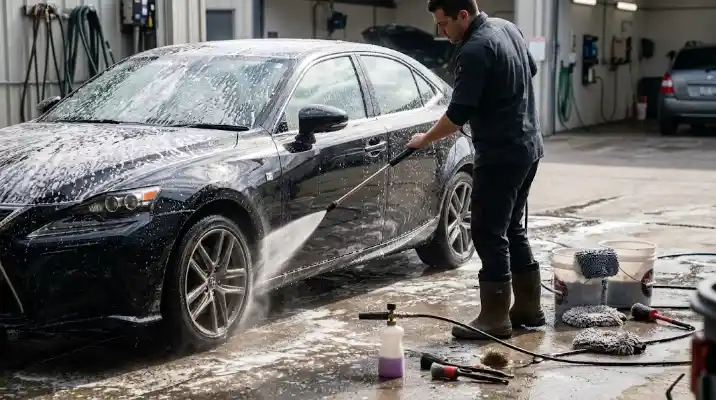
- Wash regularly, especially in winter: rinse off salt every week or two during salt season, and use a wash with an underbody spray. A touchless wash is fine for this.
- Clean the undercarriage and wheel wells: salt and mud collect in wheel arches, rocker panels and frame rails. A garden-hose underbody attachment or pressure washer helps at home.
- Wax the paint: wax or a sealant adds a barrier over the clear coat. Apply before winter and again in spring.
- Repair paint chips and scratches quickly: clean, prime and touch up any chip that reaches metal.
- Apply rust-proofing to the underbody: an oil-based or wax spray creeps into seams and is typically redone every year; rubberized undercoating is thicker and resists stone chips.
- Keep drain holes clear: doors, rocker panels and the trunk have small drains that clog with leaves and dirt, trapping water inside.
- Keep the interior dry: use rubber floor mats in winter, dry out wet carpets and fix leaking door or window seals.
- Wash after beach trips and off-road use: sand, mud and salt spray hold moisture against the metal.
- Park smart: a covered, well-ventilated spot keeps the car drier. Avoid a warm, closed garage with a salty car; rinse it first so melting slush does not sit on the metal.
- Inspect twice a year: check the frame, rocker panels, wheel arches, door bottoms, brake lines and exhaust in spring and fall.
Rust-Proofing and Undercoating Options
| Type | How it works | Typical cost | How long it lasts |
|---|---|---|---|
| Oil spray (drip or dripless) | Thin oil creeps into seams and displaces moisture | About $130–$350 per application | About 1 year; reapply annually |
| Wax or lanolin coating | Soft film that seals and self-heals minor scrapes | About $150–$500 | 1–2 years with touch-ups |
| Rubberized undercoating | Thick layer that blocks stone chips and reduces road noise | About $250–$1,000 (more for trucks) | Several years if it does not crack |
| Electronic rust module | Claims to reduce corrosion with a small electric current | Varies | Effectiveness on cars is not well proven |
| DIY aerosol kits | Cans of oil, wax or rubberized spray | About $50–$150 in materials | Depends on product and prep |
Prices vary by region, vehicle size and shop. Rubberized coatings should go on clean, rust-free metal; if they crack, they can trap water against the steel. Many owners in heavy-salt regions prefer annual oil-based treatments for that reason.
How to Fix Surface Rust Before It Spreads
- Wash and dry the area.
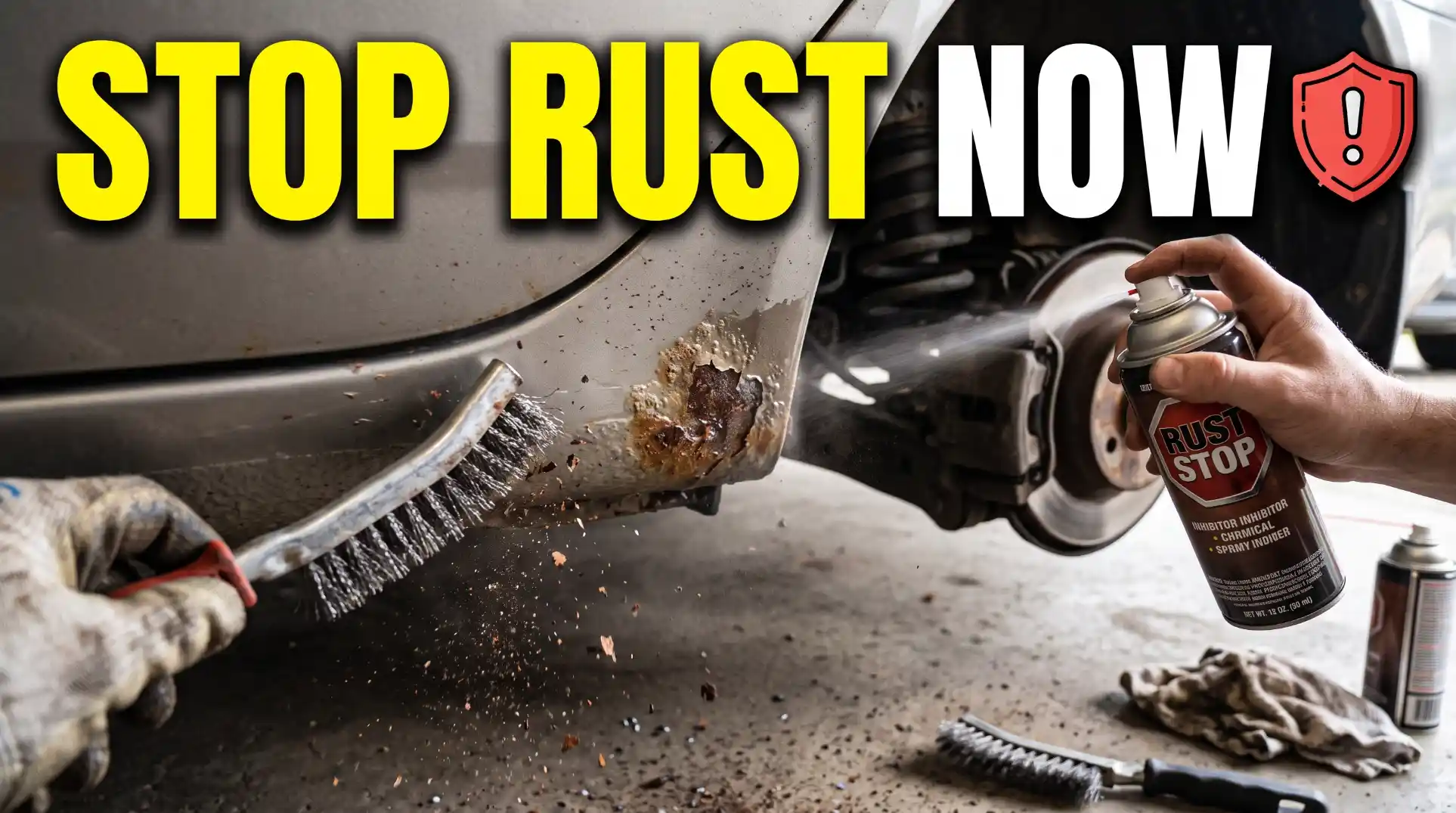
- Sand or wire-brush the rust down to clean, shiny metal, feathering the paint edges.
- Wipe with a wax and grease remover.
- Apply a rust converter if tiny pits remain, then an automotive primer.
- Apply matching touch-up or spray paint in thin coats, then clear coat.
- Wax the repaired area once it has cured.
For deeper chips and scratch repair, see our step-by-step guide linked below. If you see bubbling under the paint over a large area, holes, or rust on the frame, brake lines or suspension mounts, have a body shop or mechanic inspect it.
Safety note: Rust on the frame, subframe, brake lines, fuel lines or suspension mounts is a safety issue, not just a cosmetic one. Severe frame corrosion can fail a state safety inspection and affect crash protection. Have it checked by a professional.
Where Cars Rust First
- Rocker panels and the bottoms of doors
- Wheel arches and fender lips
- Frame rails and subframe
- Brake and fuel lines
- Exhaust system
- Trunk floor and spare-tire well
- Around the windshield and rear window seals
- Tailgate and liftgate edges
Do New Cars Still Rust?
Modern cars rust much more slowly than older ones thanks to galvanized steel, better primers and more aluminum and plastic parts. Most manufacturers also include a separate corrosion or rust-through warranty. Still, frames, brake lines, exhaust parts and chipped paint can corrode, especially in salt-heavy regions, so regular washing and inspection still matter. Regular upkeep matters too; fueleconomy.gov’s maintenance tips cover the basics.
Car Rust FAQ
Wash off road salt regularly, including the underbody, fix paint chips quickly, keep drain holes clear and apply an underbody rust-proofing treatment before winter.
Every one to two weeks when roads are salted, and soon after driving through heavy slush or brine. Choose a wash with an underbody spray.
In regions that use a lot of road salt or near the coast, underbody rust-proofing is usually worth it. In dry climates with little salt, it is less necessary.
An oil spray usually costs about $130 to $350 per application, while heavier rubberized undercoating often costs about $250 to $1,000, depending on vehicle size and shop.
Yes, if it is caught early. Surface rust can be sanded, treated and repainted. Scale rust needs more work, and rust that has eaten through metal needs panel repair or replacement.
It gives light, short-term protection on bare metal parts, but it wears off quickly. Dedicated rust-proofing oils and waxes last much longer.
A breathable cover can keep rain and debris off, but a cover over a wet or salty car can trap moisture. Wash and dry the car first.
Rocker panels, door bottoms, wheel arches, the frame, brake lines, the exhaust and anywhere paint has been chipped.