Does Car Insurance Follow the Car or the Driver?
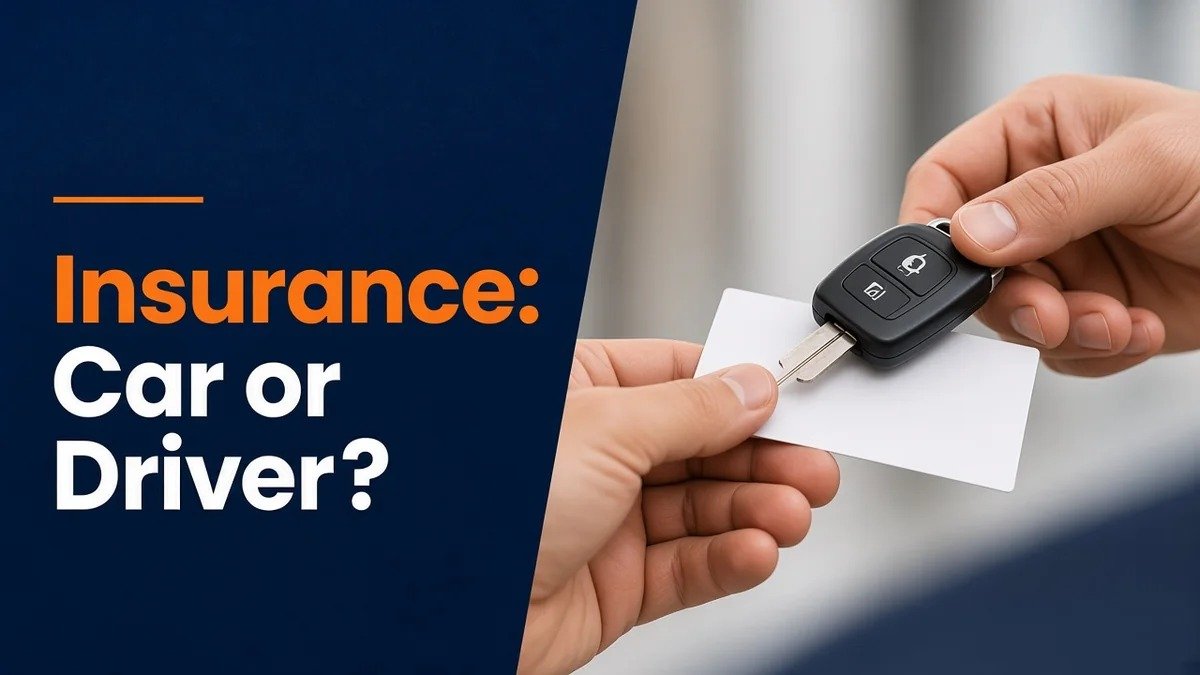
In most US states, car insurance follows the car first. If you lend your car to a friend and they crash, your policy is usually the primary coverage, and the driver’s own insurance may act as secondary coverage if the damages exceed your limits. Some coverages, such as medical payments, personal injury protection and liability when you drive a rental or borrowed car, can also follow the driver. The details depend on your state, your policy wording and whether the driver has permission and is excluded or listed on the policy.
Does Insurance Follow the Car or the Driver?
| Scenario | Whose Insurance Pays First? | Notes |
|---|---|---|
| A friend borrows your car occasionally and crashes | Your policy (the car’s) | Friend’s policy may be secondary for liability |
| A household member not listed on your policy crashes | Possibly denied | Insurers expect regular drivers in your household to be listed |
| An excluded driver crashes your car | No coverage from your policy | Owner may be personally liable |
| You drive a friend’s car and crash | Friend’s policy first | Your policy may be secondary |
| You drive a rental car for personal use | Often your own policy extends | Credit card or rental coverage may also apply |
| Someone steals your car and crashes | Generally not your liability | Your comprehensive covers theft damage |
| You are hit while driving someone else’s car by an uninsured driver | Car owner’s UM coverage first | Your own UM may be secondary |
What Does “Insurance Follows the Car” Mean?
Auto policies are written to insure specific vehicles listed on the declarations page. When one of those vehicles is involved in an accident, that policy generally responds first, regardless of who was driving, as long as the driver had permission and is not excluded. This is why it matters who you lend your car to: their accident can lead to a claim on your policy and may raise your premiums.
Permissive Use Explained
Permissive use means someone drives your car with your permission. Most policies cover permissive drivers, but coverage can be limited:
- Occasional drivers: a friend borrowing your car for an errand is usually covered.
- Regular drivers: someone who drives your car frequently, such as a roommate or partner, typically must be listed on your policy.
- Household members: insurers usually require all licensed drivers in the household to be listed or formally excluded.
- Reduced limits: some policies provide only state minimum limits for permissive drivers.
- Business use: using your car for ride-hailing or deliveries may not be covered without a special endorsement.
When Insurance Follows the Driver
Although the car’s policy is usually primary, some coverage follows you personally:
- Liability as secondary coverage when you drive a car you do not own.
- Medical payments and PIP may cover you as a pedestrian, passenger or driver in another car, depending on state law.
- Rental cars: your personal policy often extends liability, collision and comprehensive to rental cars you drive for personal use.
- Non-owner policies: designed specifically to follow the driver who does not own a car.
What If the Damages Exceed the Owner’s Limits?
If the car owner’s liability limits are not enough to cover the damages, the driver’s own auto insurance may pay the remainder up to its limits as excess coverage. If neither policy covers the full amount, the driver and possibly the owner can be personally sued for the rest.
Lending Your Car: What to Know
- Only lend to licensed, responsible drivers.
- Check your policy for permissive use rules and any limits.
- Add regular drivers to your policy.
- Never lend to an excluded driver or someone without a valid license.
- Understand the risk: an accident will likely be on your insurance record and could raise your rates.
- Consider higher liability limits or an umbrella policy if you often lend your car.
If the car is registered to someone else, see our guide on whether you can insure a car not in your name.
Borrowing Someone Else’s Car
- Confirm the owner has active insurance and that you are allowed to drive
- Carry your own auto policy or a non-owner policy for secondary protection
- Know what to do if you crash, including exchanging the owner’s insurance information
- Avoid using the car for business or ride-hailing unless covered
If you do not own a car but drive often, a non-owner policy may be worth it. Our guide on car insurance without a license explains related options.
State Differences
A few states have specific rules. In no-fault states, your own PIP coverage may pay your medical bills regardless of which car you were in. Some states allow named driver exclusions, while others restrict them. Check with your insurer or state insurance department for local rules.
What to Do After an Accident in a Borrowed Car
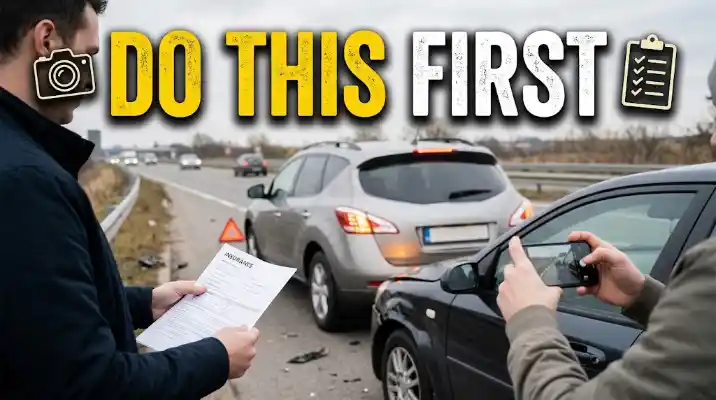
Follow the same steps as any crash: check for injuries, call police if needed, exchange information, take photos, and notify both the car owner and their insurer. The driver should also notify their own insurer. See our step-by-step guide on what to do after a car accident. If you are reviewing your coverage afterward, our guide on how to switch car insurance can help.
Not insurance advice: Coverage depends on your specific policy, state laws and circumstances. Read your policy’s definitions of “insured,” “permissive use” and “excluded driver,” and ask your agent before lending or borrowing a car.
Related guides: Insure a car not in your name · What to do after a car accident · How to switch car insurance
Car vs Driver Coverage FAQs
In most states, insurance follows the car. The owner’s policy is primary, and the driver’s own policy may provide secondary coverage if damages exceed the owner’s limits.
Usually yes. The owner’s policy typically covers you as a permissive driver, and your own policy may provide additional coverage.
Generally yes, if they have your permission, are occasional drivers and are not excluded from your policy. Regular drivers should be listed.
It can. Because the claim goes on your policy, an at-fault accident by someone driving your car may raise your premium.
Your policy will not cover the accident, and you and the driver could be personally responsible for the damages.
Often yes. Most personal auto policies extend coverage to rental cars used for personal purposes in the US, subject to your limits and deductibles.