Bad Thermostat Symptoms, Replacement Cost and What to Do
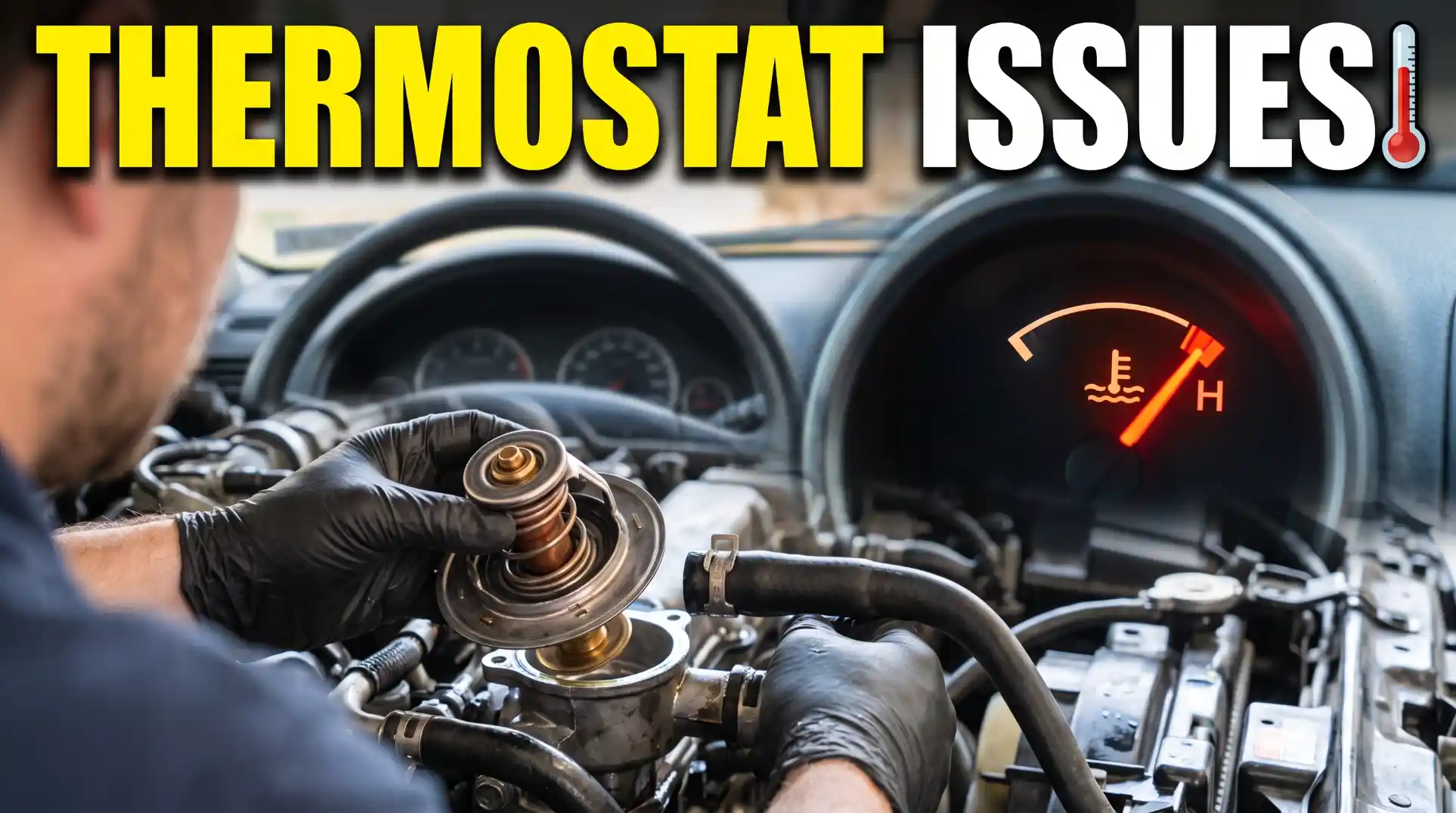
Bad thermostat symptoms are easy to spot once you know what to watch. The most common signs of a bad car thermostat are overheating, a temperature gauge that stays low or swings up and down, weak or no cabin heat, and coolant leaks around the thermostat housing. A thermostat stuck closed can overheat and damage the engine within minutes, while one stuck open makes the engine run cold and waste fuel. Replacing a thermostat usually costs about $150 to $500 at a shop, or $15 to $80 for the part if you do it yourself.
Key Takeaways
- Stuck closed: engine overheats quickly; stop driving.
- Stuck open: gauge stays low, heater blows lukewarm, fuel economy drops.
- Thermostat replacement: about $150–$500; part alone about $15–$80.
- Related parts: water pump about $400–$1,100+, radiator about $400–$1,500+.
- Never open a hot radiator cap: pressurized coolant can cause serious burns.
What Does a Car Thermostat Do?
The thermostat is a small valve between the engine and the radiator. When the engine is cold, it stays closed so coolant circulates only through the engine and it warms up quickly. Once the coolant reaches its opening temperature (usually about 180–220°F depending on the vehicle), a wax pellet inside expands and opens the valve, letting coolant flow to the radiator to shed heat. This keeps the engine at a steady operating temperature.
7 Symptoms of a Bad Thermostat
- Engine overheating: a thermostat stuck closed blocks coolant from reaching the radiator. The gauge climbs into the red, often within 10–20 minutes of driving.
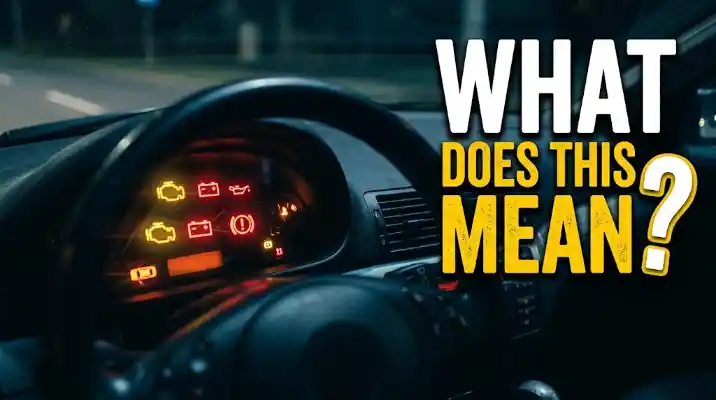
- Temperature gauge stays low: a thermostat stuck open lets coolant flow to the radiator all the time, so the engine takes a long time to warm up or never reaches normal temperature.
- Erratic temperature readings: the gauge jumps between cold and hot as the valve sticks and releases.
- Poor heater performance: the cabin heater relies on hot coolant, so a stuck-open thermostat means lukewarm air in winter.
- Coolant leaks: puddles or crusty residue around the thermostat housing, often from a failed gasket.
- Check engine light: codes such as P0128 (coolant temperature below thermostat regulating temperature) often point to a stuck-open thermostat.
- Worse fuel economy: a cold engine runs a richer fuel mixture.
Thermostat Stuck Open vs Stuck Closed
| Stuck open | Stuck closed | |
|---|---|---|
| Temperature gauge | Low or slow to rise | High, overheats |
| Heater | Weak or lukewarm | May work, then fail as coolant boils |
| Danger level | Not urgent, but fix soon | Stop driving immediately |
| Long-term effect | Poor mpg, extra engine wear, emissions | Warped cylinder head, blown head gasket |
| Common code | P0128 | Overheating codes or none |
Thermostat, Water Pump or Radiator? How to Tell
Overheating has several possible causes, and the thermostat is only one of them. These clues help narrow it down before you visit a mechanic.
| Part | What it does | Typical failure signs |
|---|---|---|
| Thermostat | Opens and closes coolant flow to the radiator | Overheats fast or runs cold; upper radiator hose stays cool when the engine is hot |
| Water pump | Circulates coolant through the engine | Coolant leak or drip at the front of the engine, whining or grinding noise, wobbly pulley, overheating |
| Radiator | Releases heat from the coolant into the air | Visible leaks, green/orange crust on the core, clogged or damaged fins, overheating at idle or in traffic |
| Radiator fan | Pulls air through the radiator at low speed | Overheats in traffic but is fine on the highway |
| Head gasket | Seals combustion from coolant | White sweet-smelling exhaust smoke, coolant loss with no leak, milky oil |
| Low coolant | Overheating plus a low reservoir; often caused by a leak somewhere |
How Much Does It Cost to Fix?
| Repair | Typical cost (parts and labor) | Notes |
|---|---|---|
| Thermostat replacement | $150–$500 | Part $15–$80; 30–90 minutes on most cars, longer if hard to reach |
| Thermostat housing / gasket | $100–$400 | Plastic housings can crack |
| Water pump replacement | About $400–$1,100+ | Higher if driven by the timing belt; often replaced together with the belt |
| Radiator replacement | About $400–$1,500 | Luxury and European models can cost more |
| Coolant flush | $100–$200 | Follow the interval in your owner’s manual |
Prices vary by vehicle, region and shop. Because the thermostat is cheap, many mechanics recommend replacing it whenever the water pump or radiator is replaced, and when flushing old coolant on a high-mileage engine.
How to Check Your Thermostat
- With the engine cold, check the coolant level in the reservoir. Top up with the correct coolant if low.
- Start the engine and watch the temperature gauge. It should rise steadily and settle near the middle within about 10–15 minutes.
- Carefully feel the upper radiator hose (use a glove). It should stay cool at first, then become hot quickly once the thermostat opens. A hose that stays cool while the gauge climbs suggests a stuck-closed thermostat.
- If the gauge stays low and the heater is weak after a long drive, the thermostat is probably stuck open.
- Scan for trouble codes with an OBD-II reader.
Safety note: Never open the radiator or coolant reservoir cap while the engine is hot. The system is under pressure and coolant can spray out and cause serious burns. If the gauge goes into the red, pull over safely, turn off the engine and call for help. Continuing to drive an overheating engine can cause damage that costs thousands to repair.
Can You Drive With a Bad Thermostat?
If it is stuck closed, no: overheating can warp the cylinder head or blow the head gasket. If it is stuck open, you can usually drive short distances carefully, but fix it soon to avoid poor heat, higher fuel use and extra engine wear. In an emergency, turning the heater on full hot and the fan on high pulls some heat from the engine while you find a safe place to stop.
How Long Does a Thermostat Last?
There is no fixed replacement interval. Many thermostats last 100,000 miles or more, but old or contaminated coolant can cause them to stick sooner. Changing coolant on schedule is the best way to protect the thermostat, water pump and radiator.
Car Thermostat FAQ
Overheating, a temperature gauge that stays low or fluctuates, weak cabin heat, coolant leaks around the housing, a check engine light and lower fuel economy.
Usually about $150 to $500 at a repair shop. The part alone typically costs $15 to $80.
Yes. A thermostat stuck closed stops coolant from reaching the radiator, which can overheat the engine quickly.
Not if the engine is overheating. If the thermostat is stuck open and the engine runs cold, short trips are usually possible, but have it replaced soon.
A water pump often leaks at the front of the engine or makes a whining or grinding noise. A thermostat problem more often shows as fast overheating or an engine that never warms up.
P0128 is the most common code, meaning coolant temperature stays below the thermostat’s regulating temperature, often due to a stuck-open thermostat.
There is no set interval. Replace it when it fails, or at the same time as a water pump, radiator or major cooling system repair.
Roughly $400 to $1,100 or more, and more when the pump is driven by the timing belt because of the extra labor.