Brake Warning Light Meaning: Causes and What to Do
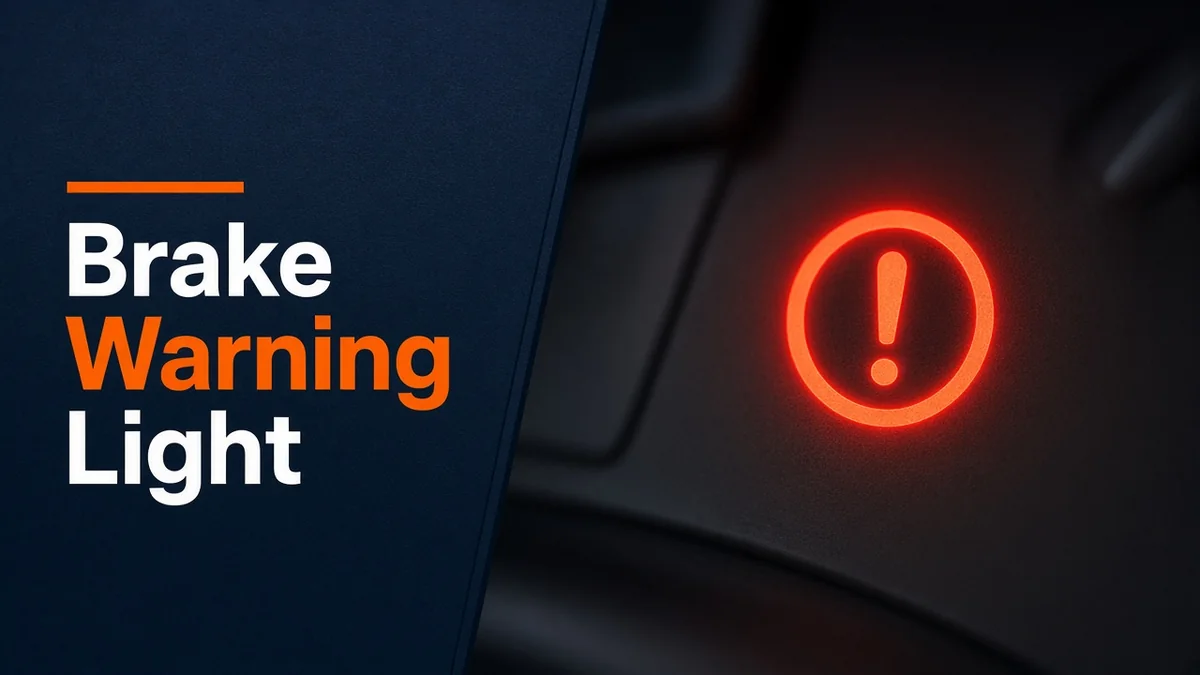
The red brake warning light, usually a circle with an exclamation point or the word “BRAKE,” means one of three things: the parking brake is on, the brake fluid level is low, or the braking system has detected a problem such as a loss of hydraulic pressure. If the light stays on after you fully release the parking brake, check the brake fluid and have the brakes inspected before driving further. A yellow or amber brake light with “ABS” or a circle with dashes points to a different system, such as anti-lock brakes or worn pads.
Brake Warning Lights and What They Mean
| Light | Color | What It Means | What to Do |
|---|---|---|---|
| (!) or “BRAKE” | Red | Parking brake engaged, low brake fluid, or hydraulic/brake system fault | Release parking brake; if still on, check fluid and get inspected |
| “ABS” in a circle | Amber | Anti-lock brake system fault | Brakes usually work normally without ABS; get diagnosed soon |
| (P) or “PARK” | Red or amber | Electronic parking brake engaged or faulty | Release; if it stays on or flashes, have it checked |
| Circle with dashed lines | Amber | Brake pads worn to the wear sensor | Schedule pad replacement soon |
| Car with skid marks | Amber | Traction or stability control active or off | Flashing is normal on slippery roads; solid may mean a fault |
| “BRAKE HOLD” or (A) | Green or white | Auto hold feature active | Normal operation |
Symbols vary between manufacturers, so check your owner’s manual. Our guide to dashboard symbols covers the rest of the warning lights you are likely to see.
Why Is My Brake Warning Light On?
1. the Parking Brake Is On
This is the most common and least serious cause. Make sure the parking brake lever, pedal or electronic switch is fully released. A lever pulled up just one click can keep the light on. If the light stays on after full release, the parking brake switch may be faulty or out of adjustment.
2. Low Brake Fluid
A float sensor in the brake fluid reservoir turns the light on when the level drops below the minimum mark. Fluid naturally drops a little as brake pads wear, because the caliper pistons extend farther. A bigger drop usually means a leak in a brake line, caliper, wheel cylinder or the master cylinder.
3. Worn Brake Pads
As pads wear down, the fluid level in the reservoir drops enough to trigger the sensor. On some cars, pad wear sensors connect to the same red warning light rather than a separate amber one.
4. Brake Fluid Leak
Look for wet spots or drips on the inside of the wheels, on the ground near a tire, along the brake lines or under the master cylinder. Brake fluid is clear to amber when new, darker when old, and feels slippery.
5. Hydraulic System Failure
Most cars have two separate hydraulic circuits. If one loses pressure, a pressure differential switch can turn on the warning light. You will usually also notice a soft or low pedal and longer stopping distances.
6. Faulty Sensor or Wiring
A stuck reservoir float, damaged wiring or a failing parking brake switch can turn on the light even when the brakes are fine. This is still worth diagnosing so you do not ignore a real problem later.
7. ABS or Electronic Brake Distribution Fault
On many modern cars, a problem with the ABS or electronic brake-force distribution (EBD) system turns on both the ABS and red brake lights at the same time. That combination means the system that balances front and rear braking may be disabled, so get it checked promptly. Our guide to ABS, oil and battery warning lights explains the ABS light in more detail.
8. Charging System or Low Voltage
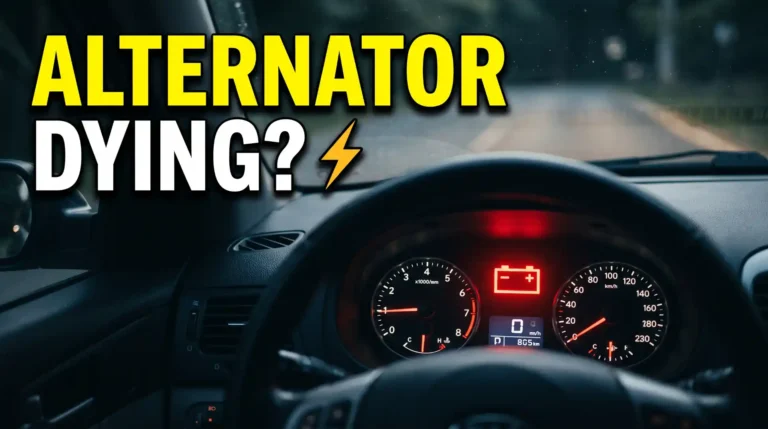
On some vehicles, low battery voltage or a failing alternator can trigger multiple warning lights, including the brake light, because the brake control modules are not getting steady power.
What to Do When the Brake Light Comes On
- Check the parking brake and release it fully.
- Test the pedal feel at low speed in a safe place. A firm pedal with normal stopping is less urgent than a soft or sinking pedal.
- If braking feels weak, pull over safely and do not continue driving.
- Check the brake fluid level with the engine off. The reservoir is usually on the driver’s side near the firewall, marked with MIN and MAX lines.
- Look for leaks around each wheel and under the car.
- Top off only with the fluid type on the cap (such as DOT 3 or DOT 4) if the level is low, then have the system inspected to find out why it dropped.
- Have the codes read if the ABS or other lights are also on.
Our guide on how to check your car fluids shows where the brake fluid reservoir is and how to read the level safely.
Is It Safe to Drive With the Brake Warning Light On?
| Situation | Safe to Drive? |
|---|---|
| Light turns off when the parking brake is released | Yes |
| Red light on, pedal feels normal, fluid slightly low | Drive carefully to a shop soon; do not ignore it |
| Red light on with soft, spongy or sinking pedal | No: stop and have the car towed |
| Red and ABS lights on together | Drive very cautiously to a shop, or tow if braking feels different |
| Amber ABS light only | Usually yes, with extra following distance; ABS may not work in a hard stop |
| Brake light flashing or with a chime while driving | Pull over safely and check the parking brake and fluid |
How Much Does It Cost to Fix a Brake Warning Light?
| Cause | Typical Cost (US) |
|---|---|
| Parking brake adjustment or switch | $50–$200 |
| Brake fluid top-off | $10–$20 DIY |
| Brake fluid flush | $100–$200 |
| Brake pads (per axle) | $150–$300 |
| Brake line repair | $150–$500+ |
| Caliper replacement (each) | $250–$700 |
| Master cylinder replacement | $250–$650 |
| ABS wheel speed sensor | $150–$400 |
| ABS module repair or replacement | $500–$2,000+ |
Prices vary by vehicle and region. Many parts stores will read basic trouble codes for free, but ABS and brake system codes often need a more advanced scan tool at a repair shop.
Brake Warning Light Vs. Check Engine Light
The brake light is a safety warning about the braking system. The check engine light relates to the engine, emissions and powertrain. Both matter, but a red brake light is generally more urgent because it can affect your ability to stop.
Safety note: Never ignore a red brake warning light, and never drive with a pedal that sinks to the floor. If braking fails while driving, pump the pedal, shift to a lower gear, apply the parking brake gradually and steer to a safe place. Call for a tow rather than driving further.
Related guides: Dashboard symbols and meanings · ABS, oil and battery lights · How to check car fluids
Brake Warning Light FAQs
It means the parking brake is on, the brake fluid is low, or the car has detected a problem in the hydraulic braking system. If it stays on after releasing the parking brake, have the brakes checked.
The red brake light warns about the main braking system, including fluid and hydraulic pressure. The amber ABS light warns about the anti-lock system; regular brakes usually still work.
It may, if low fluid was the cause. But fluid does not disappear on its own, so have the brakes checked for worn pads or leaks.
Both lights together often mean the ABS or electronic brake-force distribution system has a fault, or that brake fluid is very low. Have it diagnosed promptly.