How Long Does a Car Accident Settlement Take? Timeline and Steps
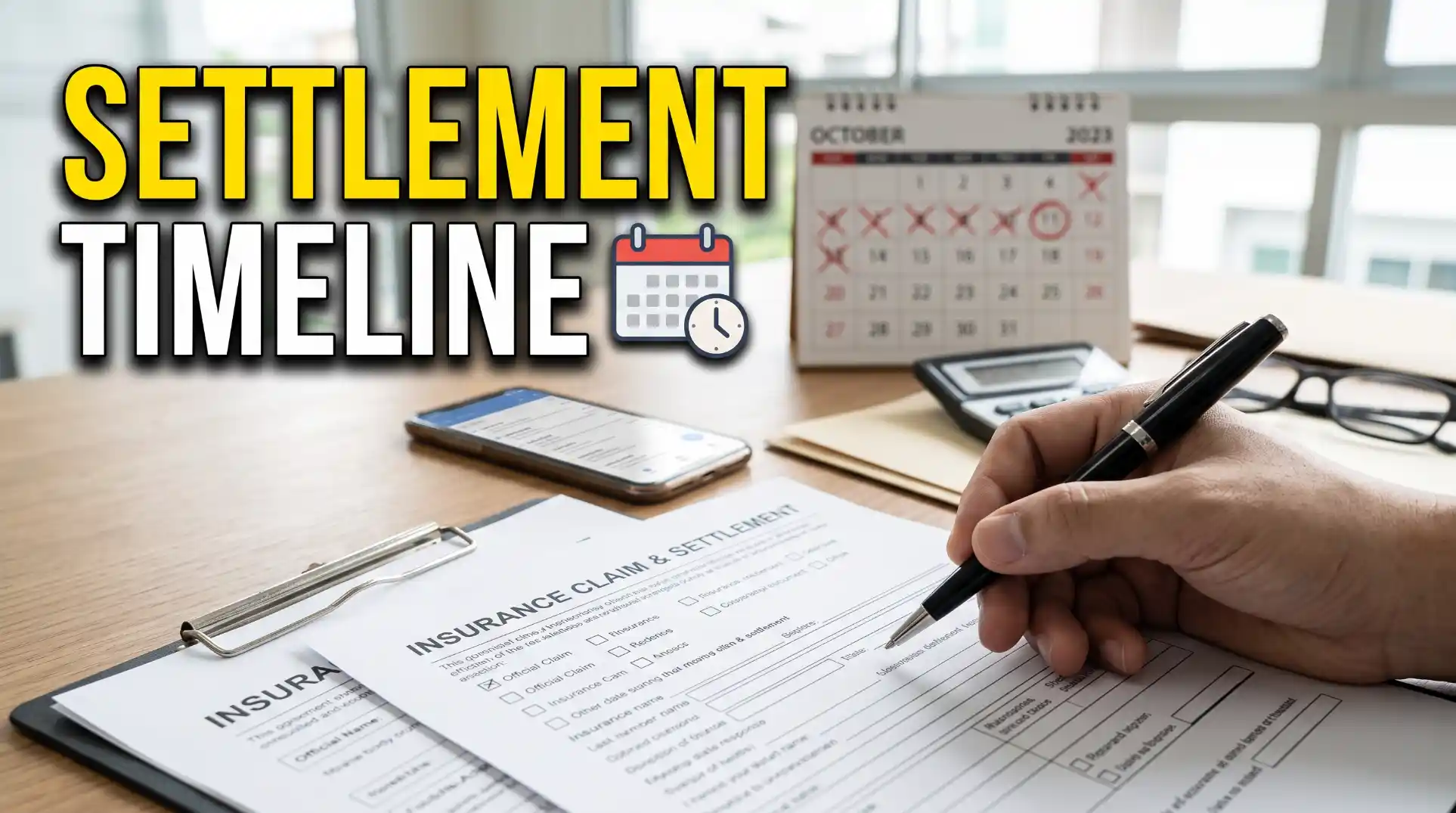
How long does a car accident settlement take? Here is a realistic timeline. A car accident settlement can take a few weeks for a simple property-damage claim to several months to two years or more for injury claims. Many injury settlements resolve within roughly 3 to 18 months. The biggest factors are how serious the injuries are, whether fault is disputed, how much money is involved, and whether a lawsuit is filed. After you accept a settlement, receiving the money typically takes another 2 to 6 weeks.
Not legal advice: this article gives general information about how insurance claims usually work in the US. Laws, deadlines and procedures vary by state and by case. For advice about your situation, talk to a licensed attorney in your state or your insurance company.
Key Takeaways
- Property damage only: often a few days to a few weeks.
- Minor injuries: often a few months, once treatment is finished.
- Serious injuries or disputed fault: often a year or more; lawsuits can take longer.
- After you sign: payment usually arrives in about 2–6 weeks.
- Deadlines matter: each state has a statute of limitations for injury lawsuits, commonly 2–3 years.
Typical Car Accident Settlement Timelines
| Type of claim | Typical time to settle | Why |
|---|---|---|
| Vehicle damage only, clear fault | Days to a few weeks | Repair estimates are straightforward |
| Total loss vehicle | A few weeks | Valuation, title and loan payoff paperwork |
| Minor injuries (soft tissue) | A few months | Settled after treatment ends and bills are collected |
| Moderate injuries | About 6–12 months | More records and negotiation |
| Severe injuries or long recovery | 1–2+ years | Must understand future medical costs and lost income |
| Lawsuit filed | Often 1–3+ years | Discovery, depositions, mediation and court schedules |
These are general ranges, not guarantees. A case can settle much faster or slower depending on the insurer, the evidence and the people involved.
The Car Accident Settlement Process, Step by Step
- Immediate steps after the crash: get medical care, report the accident to police if required, exchange information and take photos.
- Report the claim: notify your insurer promptly and open a claim with the at-fault driver’s insurer if someone else caused the crash.
- Investigation: the adjuster reviews the police report, photos, statements and vehicle damage to decide fault. This often takes a few weeks.
- Medical treatment: injury claims usually wait until you finish treatment or reach maximum medical improvement (MMI), so the full cost is known.
- Demand: you or your attorney send a demand letter with medical bills, records, lost wages and other damages.
- Negotiation: the insurer responds, often with a lower offer, and the two sides negotiate. This can take weeks to months.
- Settlement or lawsuit: if you agree, you sign a release. If not, a lawsuit may be filed before the statute of limitations expires.
- Payment: the insurer issues the check, liens (such as medical bills or health insurer reimbursement) are paid, and the rest is distributed.
What Slows a Settlement Down?
- Serious or ongoing injuries that need more treatment before damages are known.
- Disputed fault, conflicting witness accounts or unclear police reports.
- Large claims that exceed policy limits or need approval from senior adjusters.
- Multiple parties or vehicles, including commercial vehicles.
- Missing records, such as medical bills, wage documents or repair estimates.
- Medical liens from health insurers, Medicare or Medicaid that must be resolved before payout.
- Litigation, which brings court schedules, discovery and depositions.
What Can Help Speed It Up?
- Report the accident and file the claim promptly.
- Keep every document: police report, photos, medical bills, receipts, pay stubs and repair estimates.
- Follow your doctor’s treatment plan and keep appointments.
- Respond quickly to adjuster requests.
- Keep a simple log of symptoms, missed work and expenses.
- Be realistic about the claim’s value; very high demands tend to lengthen negotiations.
How Long After Signing the Release Do You Get Paid?
Once both sides agree and you sign the release, the insurer typically issues payment within a few weeks. If an attorney is involved, the check usually goes to their trust account first, where liens and fees are paid before the remaining amount is sent to you. Overall, this commonly takes about 2 to 6 weeks, though liens can add time.
Statute of Limitations: Do Not Miss the Deadline
Every state sets a deadline for filing an injury lawsuit after a car accident. For most states it is two or three years, but some are as short as one year and a few are longer. Claims against a city, county or state agency often require a formal notice within a much shorter window, sometimes just months. Property damage deadlines may differ from injury deadlines. Settlement talks do not pause the clock, so check your state’s deadline early.
Should You Accept the First Settlement Offer?
First offers are often starting points for negotiation. Before accepting, make sure your treatment is complete or future costs are estimated, all bills and lost wages are included, and you understand that signing a release usually ends your right to seek more money later for that accident.
Do You Need a Lawyer?
Minor property-damage claims are often handled directly with the insurer. People commonly consult a personal injury attorney when injuries are serious, fault is disputed, the insurer denies or delays the claim, or the offer seems too low. Many injury lawyers offer free consultations and work on contingency, meaning a percentage of the settlement. If the crash just happened, start with our checklist on what to do after a car accident.
Car Accident Settlement FAQ
Property damage claims often settle in days to weeks. Injury claims commonly take about 3 to 18 months, and cases with severe injuries or lawsuits can take two years or more.
Usually about 2 to 6 weeks after signing the release, depending on the insurer, attorney processing and any medical liens.
Common reasons include ongoing medical treatment, disputed fault, large claim amounts, missing records, medical liens and litigation.
It depends on the state. Most states allow two or three years to file an injury lawsuit, but some allow less. Claims against government agencies often have shorter notice deadlines.
Not without reviewing it carefully. First offers are often low, and accepting usually ends your right to more compensation for that accident.
Usually yes. Litigation adds discovery, depositions, mediation and court scheduling, which can extend a case by a year or more, though many lawsuits still settle before trial.
Maximum medical improvement, or MMI, is when your condition has stabilized and doctors can estimate future care. Injury claims are often settled after this point.